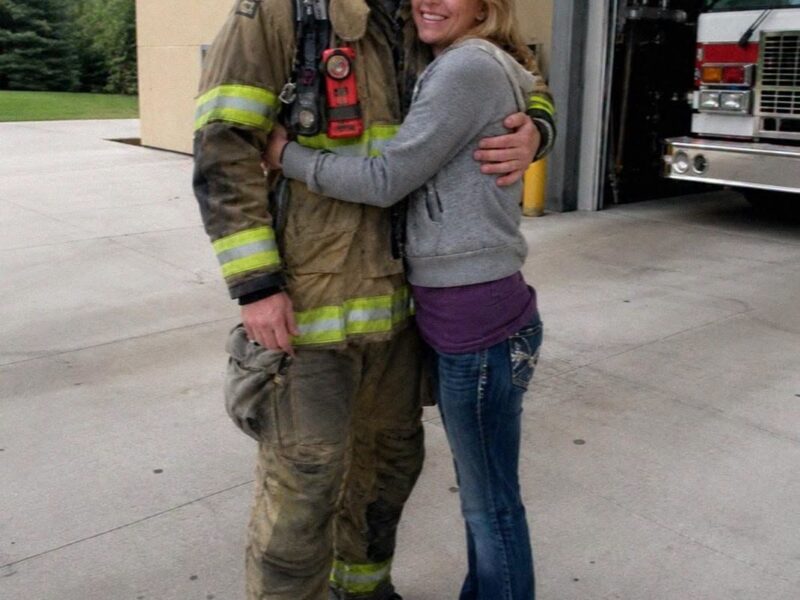
My name is Mira, and for seven years, I believed I was living a life of quiet perfection. We resided in a charming neighborhood outside Portland, Oregon, in a house with white shutters and a lemon tree that seemed to anchor our domestic bliss. My husband, Paul, was a successful finance professional who wore crisp shirts and a demeanor of unwavering stability. Together, we were raising twin four year old girls, Ellie and June, who were the light of our lives. Paul was the man who never forgot an anniversary, who left hearts drawn on sticky notes on the bathroom mirror, and who told me I was the calm in his storm. I lived inside that love like it was gravity—steady, invisible, and absolute. But the foundation of that life didn’t just crack when my grandmother passed away; it shattered.
My grandmother was ninety two when she died in the same small house on the hill where she had raised my mother. To me, that house was more than just property; it was a sanctuary of lavender cookies, Earl Grey tea, and stories from a world long gone. During the funeral, Paul held my hand with a grip so tight it felt like support, but I soon realized it was something else entirely. Only three days after the service, while I was still drowning in the initial waves of grief, Paul’s mask began to slip. He started pressuring me to sell the house immediately, dismissing my need for closure with cold remarks about how we needed the money more than my memories. He paced through her living room with an agitation I didn’t recognize, urging me to speed up the process of packing away her life.
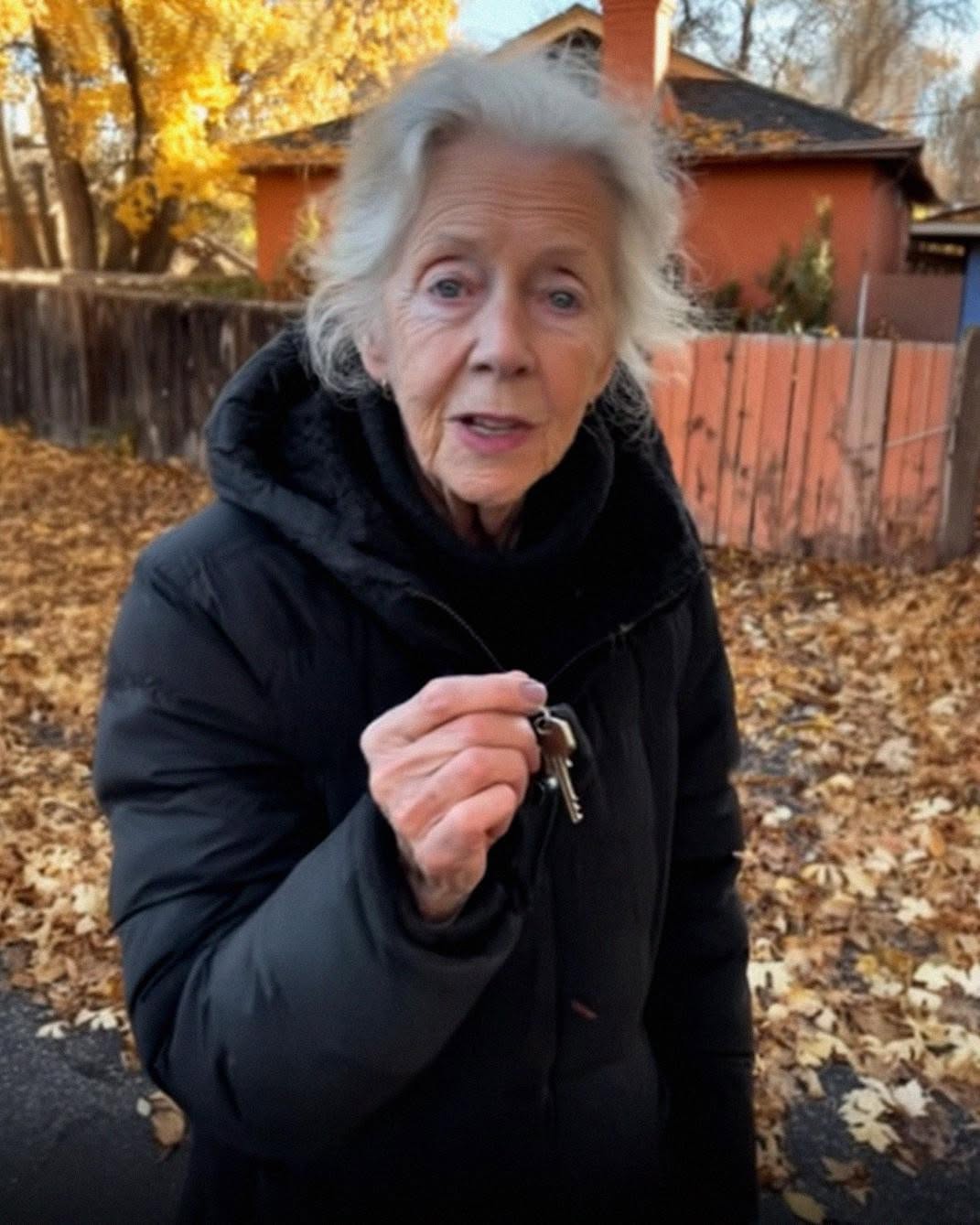
The turning point came when Mrs. Callahan, my grandmother’s neighbor of forty years, stopped me at the gate. With a nervous glance toward Paul, who was impatiently waiting in the car, she slipped an old fashioned brass key into my palm. She told me it was the key to the attic and whispered that my grandmother had given it to her a month before she died, with strict instructions to hand it only to me. There was a warning in her eyes that chilled my blood. Sensing something was terribly wrong, I sent Paul home with the girls, claiming I needed more time alone. As the sound of his engine faded, I climbed the creaking stairs of the silent house, my heart hammering against my ribs.
The attic was a dry, cedar scented vault of the past, filled with stacks of yellowed books and neatly folded blankets. Tucked away in a corner was a brown leather suitcase I hadn’t seen since childhood. Inside, beneath layers of property records and old insurance papers, I found a letter addressed to me in my grandmother’s shaky, unmistakable handwriting. The words on those pages were like a physical blow. She wrote that for over a year, Paul had been visiting her behind my back. He had been bullying her, telling her she was a burden and that we were on the brink of financial ruin. He had tried to coerce her into moving to a care facility so he could force a sale of her home, warning her that if she told me, our marriage would disintegrate.
My grandmother had initially resisted, but Paul was relentless. He used his knowledge of finance to frighten an elderly woman, spinning lies about our debt and the state of the house. Though she eventually signed some preliminary documents under duress, she never finalized the sale. Instead, she had secretly updated her will and deed, naming me the sole beneficiary and leaving this letter as a final act of protection. She warned me that Paul was desperate for money, though she didn’t know why. I sat on the dusty attic floor and realized that the man I shared a bed with, the man who bathed our daughters and promised to protect us, had spent a year mentally torturing a dying woman for her assets.
I didn’t go home that night. I secured the documents and the letter in a safety deposit box that only I could access. I spent the dark hours of the early morning realizing that my marriage was a meticulously constructed lie. When Paul walked into the kitchen the next morning, still dressed in his polished finance attire, he tried to play the role of the concerned, hardworking husband. I didn’t give him the chance. I asked him directly why he had been pressuring my grandmother and what he had done with our money. The flicker of fear that crossed his face was the only confession I needed.
Under the pressure of the truth, Paul’s “perfect husband” persona dissolved completely. He sat at our kitchen table and confessed to a disastrous gamble. A year earlier, he had taken two thirds of our life savings and poured it into a volatile cryptocurrency startup based on a “tip” from a colleague. When the market crashed and the money vanished, he panicked. Instead of coming to me, he chose to manipulate my grandmother, hoping to sell her house to cover the hole in our bank account before I ever noticed the missing funds. He had lied about tax bills, lied about household repairs, and lied every time he looked me in the eye and told me he loved me. He claimed he did it for us, for the girls, but the truth was simpler: he did it for his own ego, unable to admit he had failed.
The argument that followed lasted for hours, a grueling cycle of him begging for forgiveness and me realizing that I was looking at a stranger. He promised therapy and transparency, but you cannot rebuild trust on a foundation of blackmail and elder abuse. He hadn’t just made a financial mistake; he had systematically betrayed the person I loved most in the world while she was at her most vulnerable. I saw then that his “calm” wasn’t a gift to me; it was a mask he wore to hide the chaos of his own greed.
By the end of the month, I had filed for divorce. I didn’t need to yell or scream; the evidence my grandmother left behind was loud enough. Paul moved out, and for the first time in years, the air in my home felt light. I kept my grandmother’s house—the one he had tried so hard to steal. I repainted the rooms, clearing out the lingering scent of his polished shoes and dishonest promises. Today, a framed photograph of my grandmother and me hangs in my office, right next to the letter she wrote. It serves as a reminder that love isn’t just about hearts on mirrors or Sunday farmers’ markets. Real love is the kind that protects you even from beyond the grave, and real strength is the kind that allows you to walk away from a beautiful lie to embrace a difficult truth. Paul thought he was selling a house, but in the end, he sold his soul, and I was the one who finally closed the deal.