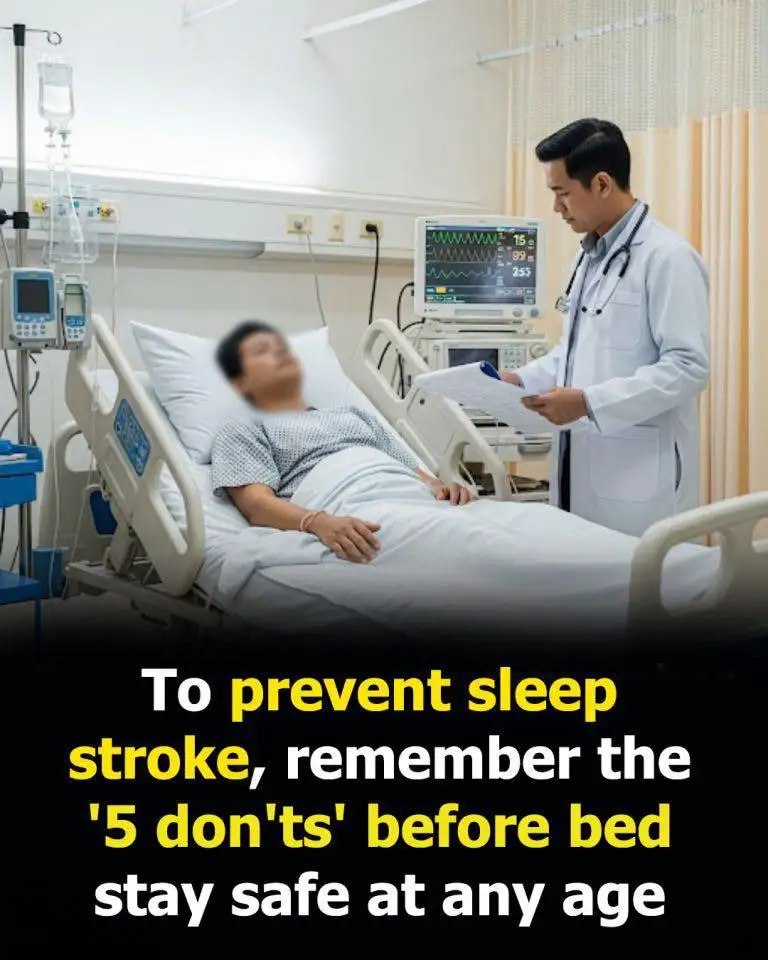
When we think of a stroke, we usually imagine a sudden, undeniable emergency that happens during the day. But there is a silent, often more dangerous threat: the sleep stroke. Known medically as a “wake-up stroke,” this event occurs while you are unconscious, and because symptoms are only noticed hours later upon waking, treatment is dangerously delayed.
The critical truth is this: your evening routine is not just about relaxation—it’s about survival. The simple choices you make in the hours before your head hits the pillow either protect your cardiovascular system or place extra strain on your heart and brain, dramatically influencing your risk.
This comprehensive guide will arm you with the knowledge to recognize the signs of a nighttime event, and, most importantly, give you a powerful plan for prevention. We break down the five critical “don’ts” to stop doing and the six smart “do’s” to start doing tonight to safeguard your health.
🚨 What Exactly Is a Sleep Stroke?
A stroke happens when blood flow to a section of your brain is suddenly interrupted. The most common type, the ischemic stroke, is caused by a clot blocking a vital blood vessel.
When this blockage or interruption occurs during the night, it becomes a wake-up stroke. Since the victim is asleep, precious time is lost—time that doctors call the “golden hour” for treatment. This is why prevention and awareness are your most powerful tools.
Do You Know the FAST Test?
If you or a loved one wakes up feeling disoriented or “off,” remember these life-saving signs:
- F – Face drooping: Is one side of the face numb or drooping when you try to smile?
- A – Arm weakness: Does one arm feel weak or numb? Does it drift downward when you try to lift both arms?
- S – Speech difficulty: Is your speech slurred, or are you confused about what others are saying?
- T – Time to call: If you see any of these signs, call emergency services immediately (in the US, that’s 911).
Never ignore even mild symptoms. Early intervention can be the difference between full recovery and permanent disability.
🛑 5 “Don’ts” Before Bed (Habits That Put Your Brain at Risk)
During the night, your blood pressure naturally dips and your heart rate slows. But certain evening habits force your body to stay on high alert, creating an unnecessary strain on your delicate blood vessels.
1. Don’t Eat Heavy or Salty Meals Late
A large, salty dinner right before bed is a recipe for nighttime trouble. Excess sodium forces your body to retain water, which in turn forces your heart to pump harder—spiking your blood pressure when it should be relaxing.
The Fix: Aim to finish all meals at least two to three hours before you plan to sleep.
2. Don’t Overindulge in Alcohol or Smoke
Even a few drinks can disrupt your natural sleep cycles and cause erratic blood pressure spikes throughout the night. Smoking, meanwhile, is a powerful vasoconstrictor—it damages blood vessels and thickens the blood, drastically increasing the risk of clots.
The Fix: Limit alcohol intake in the evening and eliminate smoking entirely, especially before sleep.
3. Don’t Go to Bed Angry, Stressed, or Worried
Emotional stress is physical. Late-night arguments, scrolling through anxiety-inducing news, or dwelling on worry triggers surges of adrenaline and cortisol. These stress hormones keep your body in a dangerous “fight-or-flight” mode, elevating heart rate and blood pressure when they desperately need to slow down.
The Fix: Establish a stress-free transition zone *before* getting into bed.

4. Don’t Use Screens Right Before Bed (Blue Light)
The blue light emitted by phones, tablets, and TVs actively suppresses the production of melatonin, the hormone that signals your body it’s time to sleep. Poor sleep quality is directly linked to increased inflammation and poor blood pressure regulation—both major risk factors for stroke.
The Fix: Turn off all screens and transition to non-digital activities (like reading a physical book) at least **one hour** before your bedtime.
5. Don’t Ignore Warning Symptoms
If you feel sudden, unusual symptoms—like unexplained dizziness, a severe headache, or chest tightness—never dismiss it with the thought, “I’ll deal with it tomorrow.” These can be early warnings of serious heart or vascular issues. Delaying help could be catastrophic.
The Fix: When in doubt, seek medical help immediately. Always.
✅ 6 “Do’s” Before Bed (Habits That Protect Your Heart and Brain)
Counterbalance those bad habits with powerful, protective ones that signal to your body that it’s safe to rest and repair.
1. Aim for 7–9 Hours of Quality Sleep
This is non-negotiable. Consistent lack of sleep (less than 7 hours) raises your stroke risk because it worsens blood pressure, blood sugar control, and inflammation. Consistency is key. Stick to the same bedtime and wake time, even on weekends.
2. Stay Hydrated (But Find the Balance)
Mild dehydration can thicken your blood, making it slightly harder for your heart to pump and increasing the risk of clots. Have a small glass of water an hour or so before bed.
The Pro Tip: Avoid chugging huge amounts of liquid right before lying down; this prevents necessary nighttime bathroom trips that fragment your sleep.
3. Take Prescribed Medications Consistently
If you have conditions like high blood pressure, high cholesterol, or atrial fibrillation (AFib), your medications are your shield. Take them exactly as instructed by your doctor, especially those designed to work overnight to regulate blood pressure.
4. Implement a Calming Wind-Down Routine
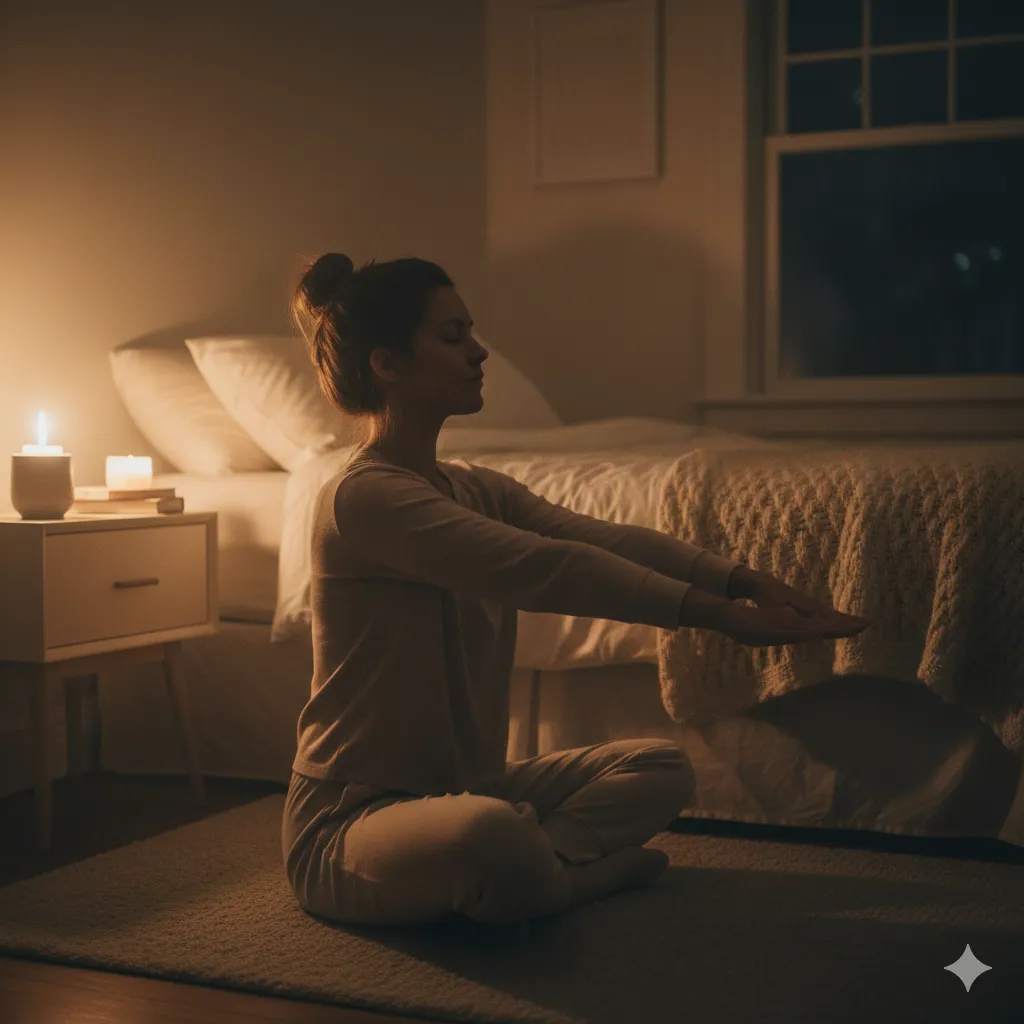
Your brain needs a transition period. Use routines like light stretching, deep breathing exercises, or a short period of meditation. This intentional relaxation reduces stress hormones and lowers your blood pressure naturally, preparing your body for safe, restorative sleep.
5. Use Your CPAP Machine If You Have Sleep Apnea
Untreated sleep apnea is one of the most significant and preventable stroke risk factors. It causes oxygen levels to plunge and blood pressure to spike multiple times throughout the night. If you’ve been diagnosed, using your Continuous Positive Airway Pressure (CPAP) device nightly is a powerful, life-saving act of prevention.
6. Take a Gentle Walk After Dinner
A relaxed, short walk (10–20 minutes) after your evening meal is fantastic for two reasons: it aids digestion and helps stabilize blood sugar, which is crucial for cardiovascular health. Avoid intense, heart-pumping exercise too close to bedtime, as this can have the opposite effect.
💡 Take Control of Your Nighttime Health
Strokes may seem random and unpredictable, but the process of prevention is simple and entirely within your control. By replacing just a few harmful evening habits with protective, brain-friendly actions, you are dramatically reducing your risk of a sleep stroke.
Remember this golden rule: Your evenings set the stage for your nights—and your nights set the stage for your long-term health.
Start making these small adjustments today. Your future self will thank you for the peace of mind.