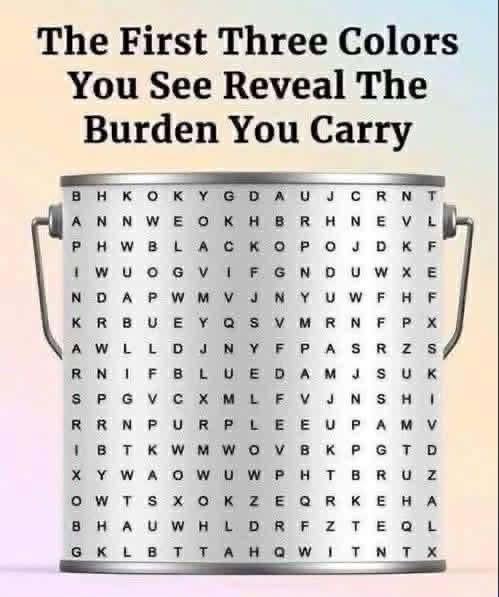
Do Colors Choose Us More Than We Choose Them?
We often believe that we select colors—the soothing blue, the vibrant red—but what if the reality is the opposite? What if the hues we are attracted to, and those we avoid, are in fact choosing us? These quiet tones reveal insights about our feelings, aspirations, and anxieties well before we say anything at all.

The Unspoken Language of Color
Colors communicate in a way that transcends logic and reasoning. They evoke feelings, trigger memories, and influence moods in subtle, sometimes unexpected manners. What may appear to be a simple choice—”I love green” or “I avoid yellow”—often reveals deeper currents within our minds.
Consider red, for instance. Bold and vibrant, it exudes passion and intensity. It can ignite energy, foster confidence, or reveal inner chaos and restlessness. People frequently gravitate towards red when they wish to escape emotional monotony or fatigue.
On the other hand, blue provides tranquility and clarity, serving as a peaceful haven for the mind. However, this serene color can also suggest emotional detachment or solitude, indicating a desire for space or healing.
Purple, with its enigmatic and transformative essence, often emerges during times of transition—when we are navigating change and welcoming new growth. It symbolizes introspection and spiritual development.
The Brain’s Silent Response to Color
Our responses to color are instinctual, ingrained in our brains. Light, shadow, and hue subtly affect our feelings and actions. The colors we choose to wear or surround ourselves with can evoke feelings of power, invisibility, or protection. Culture adds layers of significance: white may symbolize purity in one culture and mourning in another; red can convey love, danger, or celebration depending on the situation. Yet, beyond cultural interpretations, color remains profoundly personal.
Color as an Emotional Guide
That soothing sage-green wall, the comfy black sweater, and the lively burnt-orange scarf—these elements go beyond mere aesthetics. They often reflect our subconscious desires for comfort, security, or rejuvenation. When our preferred colors change, it can indicate an emotional shift—perhaps following a breakup, a significant relocation, or the beginning of a new phase in life.
Even the colors we tend to avoid have their own narratives. Avoiding red may suggest a discomfort with strong emotions, while steering clear of white might indicate feelings of grief or vulnerability. Color conveys what words often fail to express.
Conclusion / Final Thoughts
Colors are not merely visual selections—they mirror our internal landscape. From the shades we welcome to those we shun, every color provides insight into our concealed emotions and aspirations.
Being mindful of these quiet cues can lead to a richer understanding of ourselves, showing that sometimes, color knows our feelings before we do.