Bananas are one of the easiest fruits to buy, but keeping them at the perfect stage of ripeness can be surprisingly difficult. One day they’re bright yellow and firm; a few days later, brown spots appear and they become soft and overripe.
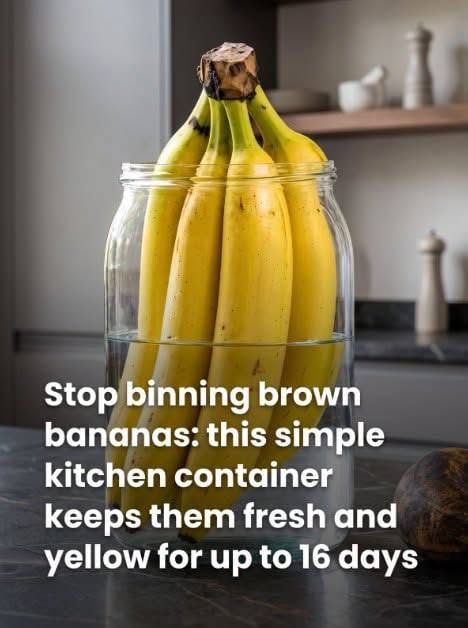
A popular kitchen-storage idea involves placing a bunch of bananas inside a large container to slow down ripening. While no method can guarantee that bananas will stay perfectly yellow for 16 days, understanding how bananas ripen can help you keep them fresh for noticeably longer.
Why Bananas Ripen So Quickly
Bananas are climacteric fruits, meaning they continue to ripen after being harvested.
As they ripen, they release ethylene gas, a natural plant hormone that accelerates the ripening process. When bananas are kept close together, ethylene can accumulate around the fruit, while warmth can speed things up even further.
That’s why a bunch of bananas sitting on a warm kitchen counter can quickly develop brown spots.
Does Putting Bananas in a Container Help?
A container can potentially help protect bananas from some environmental factors, such as drafts, direct sunlight, and physical damage. However, simply placing bananas in a sealed container does not guarantee that they will remain yellow for more than two weeks.
In fact, completely sealing ripe bananas in an airtight container may trap ethylene and moisture, which isn’t necessarily helpful.
If you’re experimenting with a container-storage method, ventilation and moisture control are important.
Keep the Bananas Dry
One of the most important rules is to avoid unnecessary moisture.
Excess moisture around the peel can encourage mold and deterioration, particularly if the bananas are already ripe or have damaged areas.
Before storing them, make sure the fruit is dry and free from visible moisture.
Separate the Bananas From Other Fruit
If you want bananas to last longer, their location matters.
Keep them away from fruits that produce significant amounts of ethylene, such as apples, pears, avocados, and ripe tomatoes. Storing ethylene-producing fruits together can accelerate ripening.
Giving bananas their own space can therefore be a simple way to slow the process.
Try a Banana Hanger
Try a Banana Hanger
A banana hanger is another easy option.
Hanging the bunch keeps the fruit from resting against a countertop or bowl, reducing pressure points and bruising. Less physical damage can help prevent individual bananas from deteriorating prematurely.
A cool, dry area away from direct sunlight is generally preferable to a warm spot beside an oven or sunny window.
What About the Refrigerator?
Once bananas have reached the ripeness you like, refrigeration can help extend their usable life.
The peel may turn dark or brown in the refrigerator, but the fruit inside can remain perfectly edible. For this reason, don’t judge the condition of a refrigerated banana solely by the color of its skin.
Unripe bananas generally shouldn’t be refrigerated because cold temperatures can interfere with normal ripening.
The Stem-Wrapping Trick
You may have seen people wrapping the stems of a banana bunch with plastic wrap.
The idea is to reduce the amount of ethylene escaping from the stem area and circulating around the fruit. While this may modestly slow ripening in some circumstances, it isn’t a guaranteed way to keep bananas fresh for a specific number of days.
It’s inexpensive and easy to try, but proper storage conditions remain more important.
What If Your Bananas Are Already Turning Brown?
Don’t throw them away just because the peel has developed brown spots.
Brown bananas are often sweeter and softer than yellow bananas, making them excellent for:
- Banana bread
- Muffins
- Smoothies
- Pancakes
- Oatmeal
- Homemade banana desserts
If you can’t use them immediately, peel the bananas, cut them into pieces, and freeze them in an airtight container or freezer bag.
Frozen bananas are especially useful for smoothies and baking.
A Better Way to Store Your Bananas
A Better Way to Store Your Bananas
For the best chance of extending freshness:
- Keep bananas in a cool, dry location.
- Keep them away from direct sunlight and heat sources.
- Avoid storing them next to other ethylene-producing fruits.
- Prevent excess moisture from collecting around the fruit.
- Consider hanging the bunch to reduce bruising.
- Refrigerate bananas once they’ve reached your preferred ripeness.
- Freeze ripe bananas that you won’t use soon.
Can One Container Really Keep Bananas Yellow for 16 Days?
The idea makes for an interesting kitchen experiment, but 16 days should not be treated as a guaranteed result.
Banana variety, starting ripeness, temperature, humidity, handling, and storage conditions all affect how quickly the fruit changes.
Find Treatments
A container may help under certain conditions, but there is no universal storage method that will keep every bunch perfectly yellow for exactly 16 days.
The real secret is controlling the conditions that accelerate ripening—especially heat, ethylene exposure, moisture, and bruising.
With a few simple storage changes, you can often enjoy your bananas for longer and waste less fruit in the process.