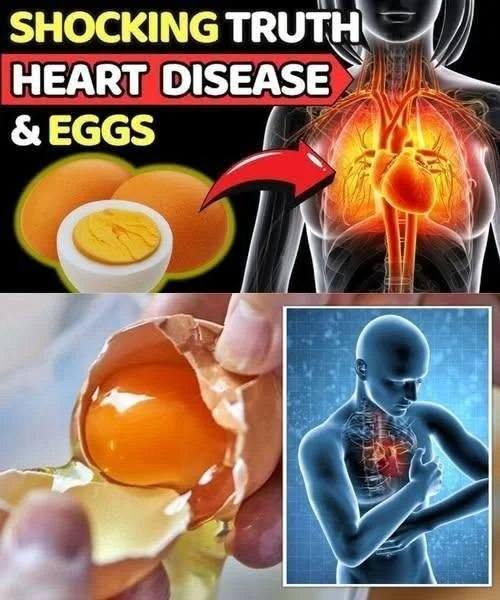
For years, eggs have been at the center of one of the most confusing debates in nutrition. Some people avoid them because they fear their cholesterol content could increase the risk of heart disease. Others consider eggs a healthy, affordable source of protein that deserves a place on the breakfast table.
So, what is the truth? Are eggs bad for your heart, or have they been unfairly blamed for raising cholesterol and increasing cardiovascular risk?
The answer is more nuanced than many headlines suggest. For most healthy people, eating eggs in moderation can fit into a heart-healthy diet. However, the number of eggs you eat, how you prepare them, your overall eating habits, and your individual cholesterol levels all matter.
Understanding the science behind eggs can help you make informed choices without unnecessarily eliminating a nutritious food from your diet.
Why Have Eggs Been Linked to Heart Disease?
The concern about eggs largely comes from their cholesterol content. One large egg contains approximately 185–200 milligrams of dietary cholesterol, most of which is found in the yolk.
For many years, health advice focused heavily on dietary cholesterol because cholesterol circulating in the bloodstream, particularly low-density lipoprotein (LDL), is associated with the development of atherosclerosis. This condition involves the buildup of fatty deposits in artery walls and increases the risk of heart attacks and strokes.
Because eggs contain cholesterol, researchers and health professionals questioned whether eating them regularly could increase blood cholesterol levels.
However, dietary cholesterol and blood cholesterol are not the same thing.
Your body produces cholesterol naturally, primarily in the liver, because it is needed to build cells and produce certain hormones and other essential substances. When you consume cholesterol through food, your body can adjust how much it produces, although this response varies between individuals.
Consequently, eating a food that contains cholesterol does not automatically translate into a corresponding increase in blood cholesterol for everyone.
That distinction has helped researchers develop a more balanced understanding of eggs and cardiovascular health.
What Happens to Your Cholesterol When You Eat Eggs?
Research suggests that dietary cholesterol can influence blood cholesterol levels, but the effect differs from person to person.
In many people, consuming eggs may produce a modest increase in both LDL cholesterol and high-density lipoprotein (HDL) cholesterol. HDL is often called “good cholesterol” because it participates in transporting cholesterol away from tissues, although the relationship between HDL levels and cardiovascular protection is more complicated than simply having a higher number.
Some people respond more strongly to dietary cholesterol than others. Individuals with certain inherited conditions, diabetes, or existing cardiovascular risk factors may need more individualized advice.
It is also important to understand that LDL cholesterol remains a major contributor to cardiovascular disease. A rise in HDL does not automatically cancel out the potential risk associated with elevated LDL.
For this reason, the effect of eggs should be evaluated in the context of an individual’s overall cholesterol profile and dietary pattern rather than judged by a single number on a nutrition label.
Are Eggs Actually Good for You?
Eggs provide several important nutrients that support general health.
1. High-Quality Protein
A large egg provides approximately 6–7 grams of protein, containing all nine essential amino acids.
Protein helps maintain muscle, supports tissue repair, and contributes to a feeling of fullness after meals. Including protein at breakfast may help some people manage hunger throughout the morning.
2. Choline for Brain and Cell Function
Egg yolks are a particularly useful source of choline, a nutrient involved in normal brain function, cell membranes, and other essential processes.
Choline is especially important during pregnancy because it contributes to fetal growth and development. However, individual nutritional needs vary, and eggs are only one of several dietary sources.
3. Vitamins and Minerals
Eggs provide vitamin B12, riboflavin, selenium, and smaller amounts of several other nutrients.
They also contain vitamins A and D, with the exact amounts depending partly on the egg and the hen’s diet.
These nutrients contribute to normal immune function, energy metabolism, vision, and bone health.
4. Lutein and Zeaxanthin
Egg yolks contain lutein and zeaxanthin, two carotenoids that accumulate in the retina and help protect the eyes from certain forms of light-related damage.
Although eggs are not the only source of these compounds, they can contribute to overall dietary intake.
5. A Satisfying, Affordable Food
Eggs are versatile and relatively inexpensive compared with many other protein-rich foods. They can be combined with vegetables, whole grains, beans, or fruit to create a balanced meal.
Their nutritional benefits make them a useful option for many households, provided they fit individual dietary requirements.
Does Eating Eggs Increase Your Risk of a Heart Attack?
This is the question that matters most, and the answer requires looking beyond cholesterol measurements alone.
Large observational studies have produced mixed findings. Some have reported little or no association between moderate egg consumption and cardiovascular disease, while others have found possible associations in certain populations or dietary contexts.
Observational research cannot always establish cause and effect. People who eat eggs may also differ in other ways, including their consumption of processed meat, their smoking habits, their physical activity, and their overall diet.
Randomized controlled trials, which can better examine how dietary changes affect specific health markers, generally suggest that eggs can raise LDL cholesterol modestly in some people. However, these trials do not establish that moderate egg consumption inevitably causes heart attacks.
The broader dietary pattern appears to be extremely important.
For example, an egg served with vegetables and whole-grain toast is nutritionally different from a breakfast consisting of eggs, bacon, sausages, buttered white bread, and large amounts of salt.
The egg is only one part of the meal.
For most healthy adults, moderate egg consumption can be compatible with cardiovascular health. Nevertheless, the evidence does not mean that unlimited egg consumption is appropriate for everyone.
How Many Eggs Can You Eat Per Week?
There is no single number that is ideal for every person.
For many healthy adults, eating approximately one egg per day can fit into a balanced diet. This is a practical general guideline rather than a universal medical prescription.
Your personal needs may differ if you have:
- High LDL cholesterol.
- Familial hypercholesterolemia or another inherited cholesterol disorder.
- Existing cardiovascular disease.
- Diabetes or several other cardiovascular risk factors.
- A medically prescribed diet that limits dietary cholesterol.
If you fall into one of these groups, discuss your egg consumption with your healthcare professional, especially if your LDL cholesterol is elevated or difficult to control.
You do not necessarily need to eliminate egg yolks completely. Depending on your circumstances, adjusting portion sizes, eating eggs less frequently, or using some egg whites instead may help you maintain protein intake while reducing dietary cholesterol.
Your blood test results and overall dietary habits are more useful guides than a rigid rule applied to everyone.
The Biggest Problem May Be What You Eat With Your Eggs
One of the most overlooked aspects of the egg debate is the food that accompanies it.
Eggs are often served with foods high in saturated fat and sodium, including bacon, sausages, processed meats, and generous amounts of butter.
Saturated fat can raise LDL cholesterol, making it an important consideration when planning a heart-healthy diet.
Instead of focusing exclusively on whether eggs are good or bad, consider how to build a more balanced meal.
Try combining eggs with:
- Tomatoes, spinach, mushrooms, or peppers.
- Whole-grain bread.
- Beans or lentils.
- Fresh fruit.
- Small amounts of unsaturated fats, such as olive oil.
These foods can provide fiber, vitamins, minerals, and healthier fats that contribute to an overall heart-supportive eating pattern.
Replacing some processed meats and foods high in saturated fat with vegetables, legumes, nuts, and whole grains may be more beneficial than simply removing eggs while leaving the rest of the diet unchanged.
What Is the Healthiest Way to Cook Eggs?
How you prepare eggs can influence the nutritional quality of the meal.
Boiled eggs: Boiling requires no added oil or butter and is a convenient way to prepare eggs.
Poached eggs: Poaching also avoids the need for added cooking fat and works well with vegetables or whole-grain toast.
Scrambled eggs: Scrambled eggs can be a nutritious option when prepared with modest amounts of oil and without excessive butter, cream, or salt.
Fried eggs: Fried eggs can fit into a balanced diet, particularly when cooked with a small amount of an unsaturated oil. The overall meal matters more than the cooking method alone.
Eggs with vegetables: Adding vegetables provides fiber and a wider range of nutrients, helping turn a simple egg dish into a more balanced meal.
Avoid assuming that one cooking method automatically makes eggs unhealthy. The ingredients added during preparation and the foods served alongside them often make a meaningful difference.
For food safety, cook eggs until the whites and yolks are firm unless you are using pasteurized eggs in a preparation that calls for them to remain undercooked. People who are pregnant, older, very young, or immunocompromised should be particularly careful about raw or undercooked eggs.
What About Egg Whites?
If you enjoy eggs but need to reduce your dietary cholesterol intake, egg whites offer another option.
Most of an egg’s cholesterol is contained in the yolk, while the white provides protein with very little fat and no cholesterol.
For example, you could prepare an omelet using one whole egg and additional egg whites. This approach preserves some of the nutrients found in the yolk while increasing the amount of protein without adding much additional cholesterol.
However, egg yolks also contain valuable nutrients, so avoiding them is not automatically necessary for everyone.
The best choice depends on your nutritional needs, blood cholesterol levels, preferences, and advice from your healthcare professional.