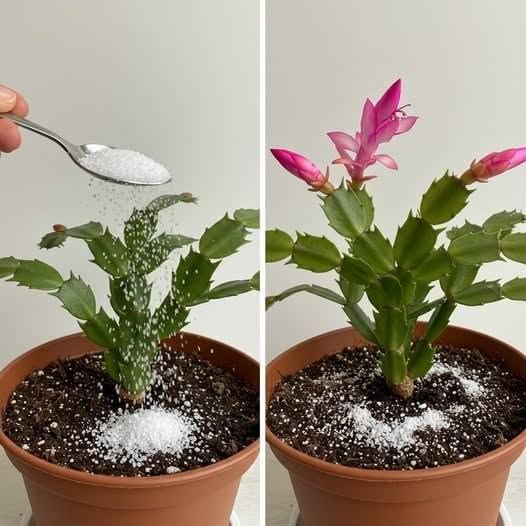
Autumn brings cooler temperatures, shorter days, and a noticeable change in the way our indoor plants grow. Flowers that looked vibrant throughout spring and summer may begin to lose their shine. Leaves can turn yellow, buds may stop developing, and the soil can remain damp for longer than usual.
But before you give up on your favorite houseplants, consider this: a few simple changes in care can help indoor flowers recover their vitality and prepare for the colder months ahead.
The secret isn’t an expensive fertilizer or a mysterious homemade potion. It is understanding what your plants need as the seasons change. Adjusting watering, improving light exposure, maintaining suitable temperatures, and providing balanced nutrition can make a remarkable difference.
In this article, you’ll discover practical ways to revitalize indoor flowers in autumn, recognize common signs of stress, and use a simple care routine to keep your plants healthy and beautiful.
Why Do Indoor Flowers Struggle in Autumn?
During summer, many indoor plants benefit from longer daylight hours and warmer temperatures. As autumn arrives, these conditions change.
Several factors can affect their growth.
1. Less Natural Light
Shorter days mean fewer hours of sunlight. Plants near north-facing windows or in shaded corners may receive insufficient light to maintain healthy leaves and produce flowers.
When light levels fall, some plants naturally slow their growth. Others may stretch toward windows, develop smaller leaves, or produce fewer blooms.
2. Changes in Temperature
Cool nights, cold window glass, and drafts from doors can stress sensitive plants. At the same time, indoor heating may create warm, dry air that causes leaf tips to turn brown.
Most tropical houseplants prefer stable indoor temperatures rather than sudden fluctuations.
3. Slower Water Consumption
Many plants use less water when growth slows and daylight decreases. Soil that dried quickly in summer may now remain wet for several days.
Watering according to an old summer schedule can lead to waterlogged roots, yellowing leaves, and root rot.
4. Reduced Nutrient Demand
Some flowering plants continue growing throughout autumn, while others enter a resting period. Applying large quantities of fertilizer when a plant is growing slowly can damage its roots or contribute to excessive salt accumulation in the soil.
The key is to adjust care to the individual plant rather than treating every flower the same way.
The Little Secret: Give Your Plants the Right Conditions First
Many gardeners search for a special ingredient that will instantly revive tired plants. However, the most effective approach is often much simpler.
Healthy roots, appropriate light, careful watering, and suitable temperatures are the real secrets to autumn plant care.
A plant struggling because its roots are constantly wet will not recover simply because you add fertilizer. Similarly, a flowering plant kept in a dark corner may not produce new buds even if you provide additional nutrients.
Before using any plant food or homemade remedy, identify the reason your plant looks unhealthy.
This simple step can save time, money, and the plant itself.
Step 1: Inspect Your Indoor Flowers Carefully
Begin by examining the leaves, stems, flowers, and soil.
Look for the following signs:
Yellow leaves: These can indicate overwatering, insufficient light, natural aging, or nutrient problems.
Brown leaf tips: These may result from dry air, irregular watering, fertilizer salts, or mineral-rich water.
Drooping leaves: Both underwatering and overwatering can cause wilting.
Soft, dark roots: These may indicate root rot caused by prolonged wet conditions.
Sticky leaves or fine webbing: These can signal pests such as aphids, scale insects, or spider mites.
Fading flowers: Individual blooms naturally age and may need to be removed.
Check the underside of the leaves, where pests often hide. If you discover an infestation, isolate the affected plant from nearby houseplants while treating it.
Avoid immediately cutting away every yellow leaf or applying several treatments at once. First determine what is causing the problem.
Step 2: Adjust Watering for Cooler Weather
Watering is one of the most important parts of autumn plant care.
As temperatures fall and growth slows, many indoor flowers need less frequent watering. However, the correct amount depends on the species, pot size, soil mixture, room temperature, and light exposure.
How to Water Correctly
Check the soil before watering rather than following a fixed calendar.
For many foliage and flowering houseplants, allow the upper layer of soil to dry slightly before watering again.
When watering is needed, moisten the root ball thoroughly.
Let excess water drain through the pot’s drainage holes.
Empty the saucer or decorative outer pot so the roots do not sit in standing water.
Some plants, including certain ferns and moisture-loving flowering species, prefer more consistently moist soil. Succulents and cacti generally need much less water.
Always consider the requirements of the particular plant.
What About Watering with Warm Water?
Room-temperature water is usually a good choice for indoor flowers. Extremely cold water can be an unnecessary shock to some tropical plants.
There is no need to use hot water or add kitchen ingredients to make ordinary watering more effective.
Step 3: Give Your Flowers More Suitable Light
Light is essential for photosynthesis, the process plants use to produce energy.