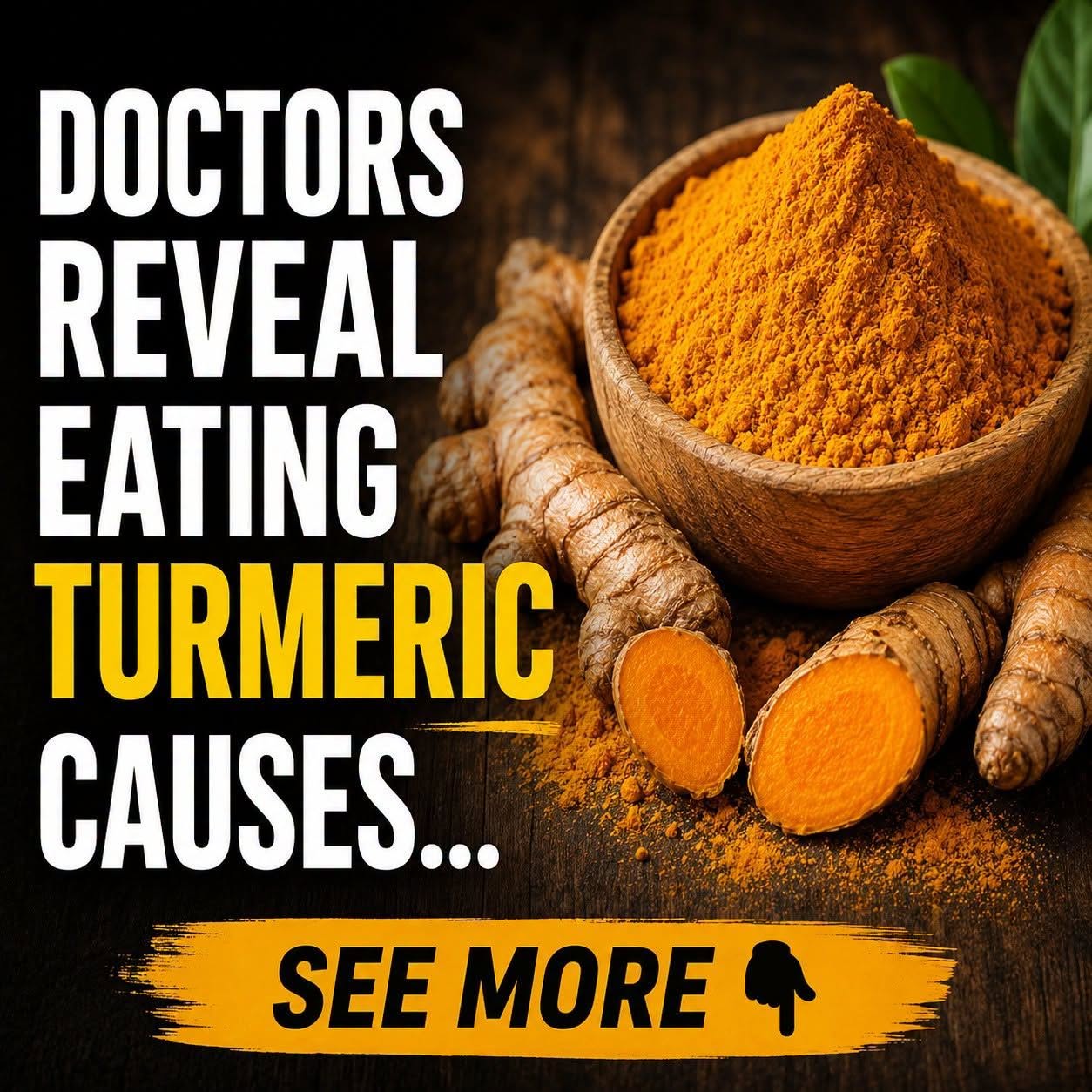
Turmeric has gone from a humble kitchen spice to one of the most talked-about “superfoods” on the internet. But behind the viral headlines is a genuinely interesting body of research — some of it strong, some of it still preliminary. Here’s an honest, evidence-based look at what turmeric and its active compound, curcumin, actually do.
What Is Turmeric, Exactly?
Turmeric (Curcuma longa) is a flowering plant in the ginger family, native to South Asia. The root is dried and ground into the bright orange-yellow powder used in curries, golden milk, and traditional Ayurvedic and Chinese medicine for centuries.
Its main active compounds are called curcuminoids, and the most studied of these is curcumin — the molecule responsible for turmeric’s color and most of its researched health effects.
1. Anti-Inflammatory Effects
Curcumin is one of the most well-studied natural anti-inflammatory compounds. It appears to block molecular pathways involved in inflammation, including a signaling protein called NF-kB, which plays a central role in chronic inflammatory diseases.
Chronic, low-grade inflammation is linked to heart disease, metabolic syndrome, Alzheimer’s, and various degenerative conditions. This is why curcumin has drawn so much research interest — not because it “cures” these diseases, but because it may help modulate the inflammatory processes underlying them.
2. Antioxidant Properties
Curcumin is a potent antioxidant. It neutralizes free radicals directly and also boosts the activity of the body’s own antioxidant enzymes. Oxidative damage is thought to contribute to aging and many chronic diseases, so this dual action — direct and indirect antioxidant support — is part of why curcumin is studied so widely.
3. Joint Health and Arthritis
This is one of the better-supported uses. Several clinical trials have compared curcumin extracts to over-the-counter anti-inflammatory medications for osteoarthritis, with some studies showing comparable reductions in joint pain and stiffness. It’s not a replacement for medical treatment, but it’s a reasonable area of ongoing clinical research.
4. Brain Health
Lower curcumin bioavailability makes brain-related research harder to interpret, but there’s growing interest in its potential role in:
- Supporting levels of brain-derived neurotrophic factor (BDNF), a protein linked to neuron growth and memory
- Reducing markers associated with age-related cognitive decline
This research is still developing, and curcumin is not a proven treatment for any neurodegenerative disease — but it’s an active area of study.
5. Heart Health
Some studies suggest curcumin may help improve endothelial function (the health of the lining of your blood vessels), which is a key factor in cardiovascular disease. Improvements in markers like blood pressure and lipid profiles have been observed in some trials, though results across studies are mixed.
6. Turmeric Tea: A Gentler Way In
Turmeric tea (often made by simmering fresh or powdered turmeric in water, sometimes with black pepper and a fat source like milk or coconut milk) is a popular, low-effort way to include turmeric in your routine. It won’t deliver therapeutic doses comparable to concentrated supplements, but it’s a pleasant habit that adds modest antioxidant and anti-inflammatory compounds to your diet.
Simple turmeric tea:
- 1 cup water or milk
- ½–1 tsp turmeric powder
- Pinch of black pepper
- Optional: honey, ginger, cinnamon
The Catch: Bioavailability
Here’s the part most viral posts leave out — curcumin is poorly absorbed by the human body. Taken alone, very little makes it into your bloodstream before being metabolized and excreted.
Two things meaningfully improve absorption:
- Piperine (found in black pepper) — can increase curcumin bioavailability significantly by inhibiting its breakdown in the liver and gut.
- Fat — curcumin is fat-soluble, so pairing it with a source of fat (like coconut milk or olive oil) helps with absorption.
This is why golden milk recipes and many supplements combine turmeric with black pepper and a fat source — it’s not just tradition, it’s chemistry.
Safety and Considerations
Turmeric used as a culinary spice is safe for most people. However:
- High-dose supplements may interact with blood thinners, diabetes medications, and certain other drugs.
- People with gallbladder issues should be cautious, as curcumin can stimulate bile production.
- Pregnant or breastfeeding individuals should consult a doctor before taking concentrated supplements.
- As always, talk to a healthcare provider before starting any supplement, especially at therapeutic doses far beyond typical dietary amounts.
The Bottom Line
Turmeric isn’t a miracle cure, and it doesn’t “cause” some dramatic revelation the way clickbait headlines suggest. What the research actually shows is more modest and more interesting: curcumin is a genuinely bioactive compound with measurable anti-inflammatory and antioxidant effects, reasonable evidence for joint health, and promising — but not conclusive — research in heart and brain health.
If you enjoy turmeric in your cooking or a warm cup of golden milk, there’s good reason to keep doing so. Just don’t expect it to replace medical treatment, and pair it with black pepper and a little fat if you want to get the most out of it.