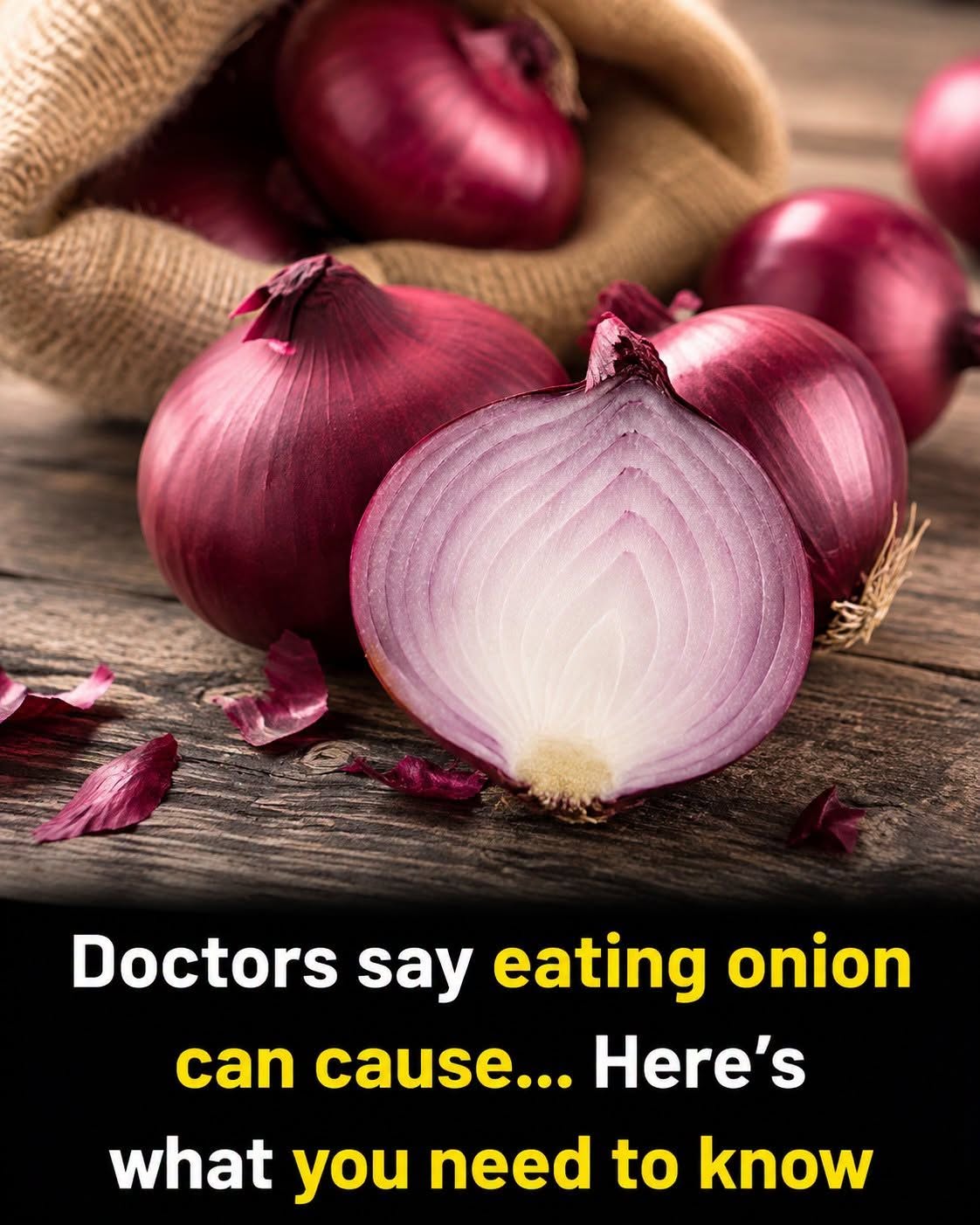
Onions are one of the most widely used vegetables in the world, yet they rarely get the spotlight the way “superfoods” like berries or turmeric do. The truth is, onions have a genuinely solid nutritional profile — and yes, there are a few effects worth knowing about, both good and mildly inconvenient.
1. Rich in Antioxidants — Especially Quercetin
Onions, particularly red and yellow varieties, are one of the richest dietary sources of quercetin, a flavonoid antioxidant. Quercetin has been studied for its role in:
- Reducing oxidative stress
- Supporting healthy blood vessel function
- Potentially helping regulate blood pressure
Red onions tend to have higher quercetin and anthocyanin content than white onions, which is part of why they’re often highlighted in nutrition research.
2. Heart Health Support
Onions contain organosulfur compounds (the same family responsible for their pungent smell) that have been studied for potential effects on:
- Reducing LDL (“bad”) cholesterol oxidation
- Supporting healthy blood clotting balance
- Mild blood-pressure-lowering effects in some studies
These effects are generally modest and most relevant as part of an overall heart-healthy diet, not a standalone fix.
3. Prebiotic Effects on Gut Health
Onions are a good source of inulin and fructooligosaccharides (FOS) — types of soluble fiber that act as prebiotics, feeding beneficial gut bacteria. This can support digestive health and has been linked in some research to improved calcium absorption and a healthier gut microbiome balance.
This is also, notably, the same category of fiber responsible for the digestive gas that onions are famous for causing in some people — more on that below.
4. Blood Sugar Regulation
Some studies suggest compounds in onions, including quercetin and sulfur compounds, may help improve insulin sensitivity and modestly reduce blood sugar levels. This research is still developing, but it’s a reasonable part of why onions are often included in diabetes-friendly meal planning — not as a treatment, but as a low-glycemic, nutrient-dense addition to meals.
5. Possible Anti-Inflammatory and Antimicrobial Properties
Lab studies have found that onion compounds show antimicrobial activity against certain bacteria, and some animal and cell studies point to anti-inflammatory effects. Human clinical evidence here is more limited, so these findings are promising but not conclusive for real-world health outcomes.
The Less Glamorous Side Effects
This is likely closer to what a “doctors reveal what eating onion causes” headline is hinting at — and the honest answer is mostly about digestion, not danger:
- Gas and bloating: The same fermentable fibers (FODMAPs) that feed gut bacteria can cause bloating and gas in people sensitive to them, especially those with IBS.
- Heartburn: Onions, particularly raw, can trigger acid reflux in people prone to it.
- Bad breath and body odor: Sulfur compounds are absorbed and can be exhaled or released through sweat for hours after eating.
- Allergic reactions: Rare, but possible — some people experience skin or digestive reactions to onions specifically.
- Interaction with blood thinners: Onions have mild natural blood-thinning properties; people on anticoagulant medication should be mindful of large, consistent intake and discuss it with their doctor.
None of these are dangerous for most people in normal dietary amounts — they’re simply things to be aware of if you’re sensitive to FODMAPs, prone to reflux, or on specific medications.
The Bottom Line
Onions aren’t secretly harmful, and they’re not a miracle cure either. What the research actually supports is a vegetable that’s genuinely rich in antioxidants and prebiotic fiber, with modest, real benefits for heart health, blood sugar, and gut bacteria — alongside the well-known and mostly harmless downsides of gas, breath, and reflux in sensitive individuals. For most people, regularly cooking with onions is a low-cost way to add real nutritional value to meals.