Dilates arteries and capillaries, especially in the legs and feet
Lowers LDL (“bad”) cholesterol and raises HDL (“good”) cholesterol, reducing plaque buildup in arteries
Supports endothelial function—the inner lining of blood vessels that regulates blood pressure and flow
Reduces inflammation in vessel walls, a key factor in atherosclerosis
Many people report a “niacin flush”—a harmless, temporary tingling or warming sensation in the face, arms, or legs—within 20–30 minutes of taking it. This is a visible sign that blood vessels are opening up and circulation is improving.
Important: The flush is not dangerous, but it can be uncomfortable. It’s caused by immediate-release niacin—not the “no-flush” versions (more on that below).
The Big Mistake People Make with Niacin
Many buy “no-flush” niacin (inositol hexanicotinate), thinking it’s safer or more comfortable. But here’s the truth: it may not work for circulation.
Immediate-release niacin: Causes flush but proven to improve cholesterol and blood flow
No-flush niacin: Often lacks the same vascular benefits because it doesn’t release active niacin effectively
For circulation support, experts recommend pharmaceutical-grade immediate-release niacin—but only under medical supervision.
Safe Dosage Guidelines
Dietary intake (from food): 14–16 mg/day (found in meat, fish, nuts, mushrooms)
Therapeutic dose for circ
ulation/cholesterol: 500–1,500 mg/day—only with doctor approvalNever self-prescribe high-dose niacin—it can cause liver toxicity, blood sugar spikes (risky for diabetics), or interact with medicationsAlways consult your doctor before starting niacin, especially if you have liver issues, gout, diabetes, or take statins or blood pressure meds.
4 Other Vitamins & Nutrients That Boost Leg Circulation
Niacin is powerful—but it works best as part of a circulation-supporting nutrient team:
1. Vitamin B12 & Folate (B9)
Why: Deficiency can cause nerve damage and numbness that mimics poor circulation
Best sources: Eggs, salmon, nutritional yeast, leafy greens
Note: Older adults and those on acid reducers (like PPIs) are at high risk for B12 deficiency
2. Vitamin E
Why: A potent antioxidant that protects blood vessels and reduces platelet “stickiness”
Dose: 100–400 IU/day from food (sunflower seeds, almonds, spinach) or supplement
Caution: High doses may increase bleeding risk—avoid if on blood thinners
3. Magnesium
Why: Helps relax blood vessels and supports healthy blood pressure
Signs of deficiency: Muscle cramps, restless legs, poor sleep
Best forms: Magnesium glycinate or citrate (200–400 mg/day)
4. Omega-3 Fatty Acids (EPA/DHA)
Why: Reduce inflammation, lower triglycerides, and improve endothelial function
Dose: 1,000–2,000 mg combined EPA/DHA daily from fish oil or algae
Bonus: May reduce leg pain in people with PAD
When Poor Circulation Is a Medical Emergency
While vitamins help, never ignore these red-flag symptoms—they may signal PAD, blood clots, or heart disease:
Leg pain when walking that goes away with rest (claudication)
One leg significantly colder, paler, or more swollen than the other
Open sores on feet or legs that won’t heal
Sudden swelling + shortness of breath (possible DVT or pulmonary embolism)
If you have diabetes or smoke, you’re at higher risk for silent PAD—ask your doctor about an ankle-brachial index (ABI) test, a simple, painless circulation screening.
If your legs feel heavy, your feet swell by afternoon, or you experience tingling, numbness, or coldness in your lower limbs, you may be dealing with poor circulation—a common but often overlooked issue that affects millions, especially as we age.
While conditions like peripheral artery disease (PAD), diabetes, or chronic venous insufficiency are major medical causes, nutrition plays a powerful supporting role. And among all vitamins, Vitamin B3 (niacin) stands out as one of the most effective natural allies for improving blood flow to the legs and feet.
But before you rush to buy supplements, it’s critical to understand how niacin works, what dose is safe, and which other nutrients—and lifestyle changes—should accompany it for real results.
In this guide, you’ll discover:
Why niacin is called “nature’s vasodilator”
The right (and wrong) way to take it
4 other circulation-boosting vitamins & minerals
When poor circulation signals a serious condition
Natural, drug-free strategies to keep blood flowing
Let’s dive in—because your legs deserve to feel light, warm, and energized again.
Why Vitamin B3 (Niacin) Is a Circulation Powerhouse
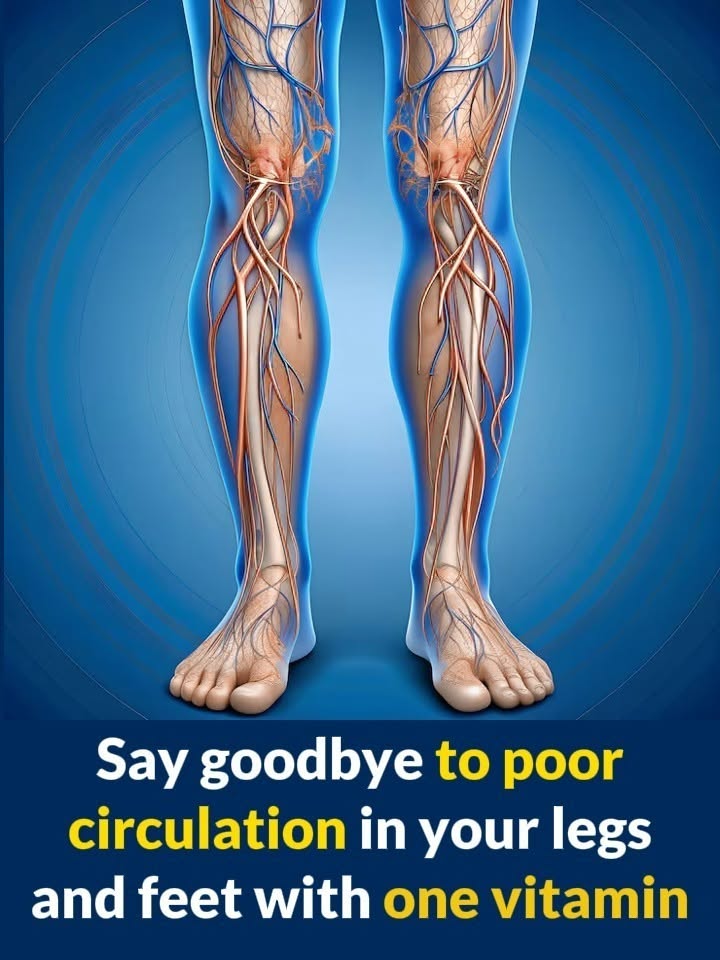
Niacin isn’t just another B vitamin—it’s a potent vasodilator, meaning it helps relax and widen blood vessels, allowing oxygen-rich blood to reach your extremities more efficiently.
Here’s how it works:
Natural Ways to Improve Circulation (Beyond Supplements)
Nutrition is just one piece. Combine vitamins with these lifestyle habits for maximum impact:
Walk daily: Just 30 minutes boosts blood flow to legs
Elevate legs when sitting to reduce swelling
Avoid crossing legs for long periods
Stay hydrated: Dehydration thickens blood
Wear compression socks if you stand or sit all day
Dry brush skin toward the heart to stimulate lymph and blood flow
Try this: Before bed, soak feet in warm (not hot) water with Epsom salts—relaxes vessels and reduces nighttime cramps.
Final Thought: Circulation Starts with Care—Not Just Pills
Poor circulation in the legs and feet is often a warning sign—not just a nuisance. While Vitamin B3 (niacin) can be a powerful tool to enhance blood flow, it’s not a standalone fix. True improvement comes from combining smart supplementation with medical guidance, movement, and heart-healthy habits.
So before you order that supplement, talk to your doctor, check for underlying conditions, and build a plan that supports your whole vascular system.
Your legs carry you through life—they deserve the best care you can give them.
Your next step: Ask your healthcare provider: “Could my symptoms be related to circulation? Should I be screened for PAD or vitamin deficiencies?”
Want more natural support for leg health? Explore our guides on foods that reduce leg swelling, exercises for varicose veins, or how to check your pulses at home.