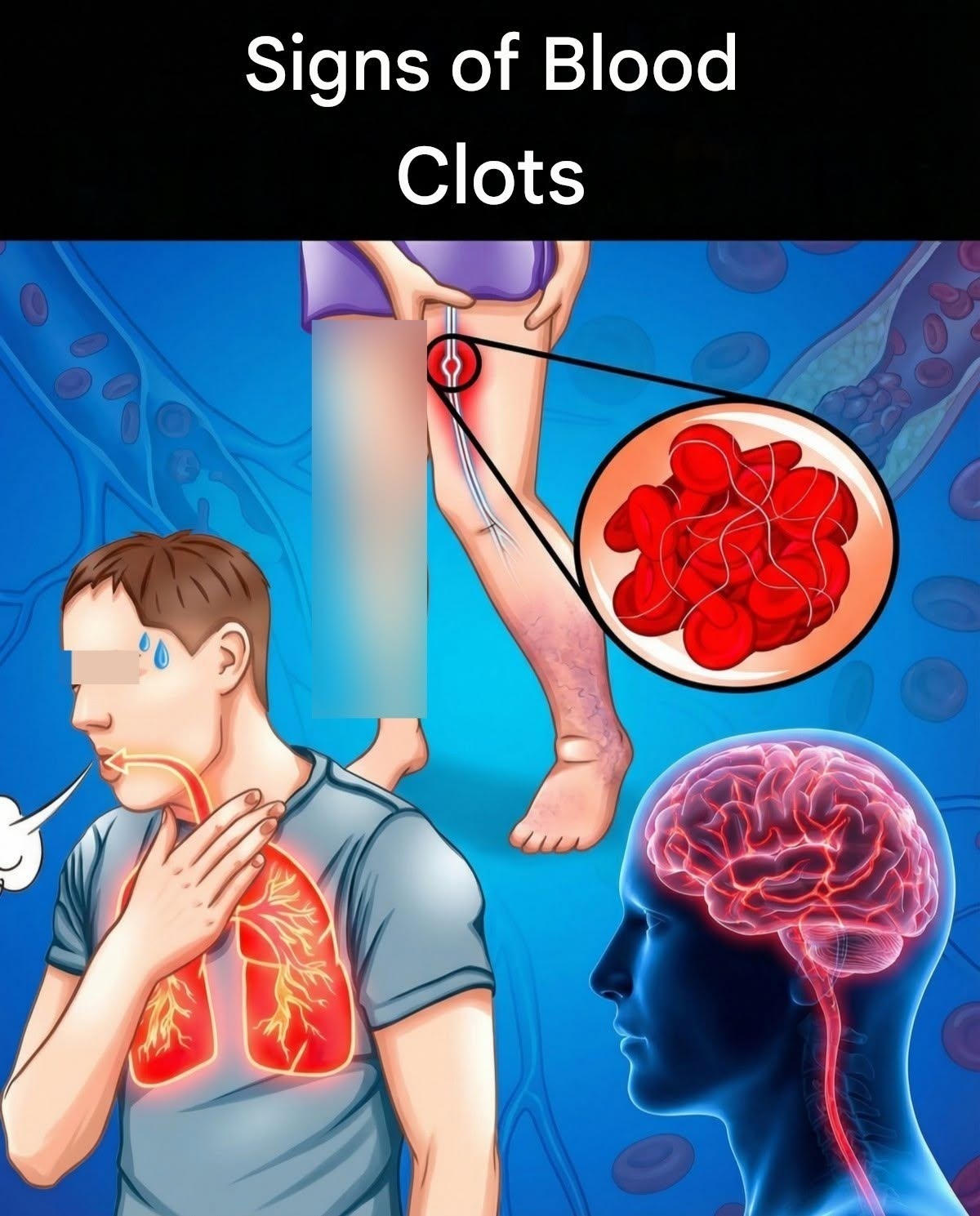
Blood clots can pose a significant health risk. The clotting process is essential for the body’s normal functioning, but when clots don’t dissolve properly, they can lodge in a vein or artery, blocking blood flow and oxygen supply to your organs.
This can cause heart attacks, strokes, or pulmonary embolisms, potentially endangering lives. It is therefore crucial to recognize the warning signs and seek immediate medical help if you suspect a blood clot. Here are nine warning signs and symptoms of blood clots.
Cramps while walking
Also known as claudication, this symptom manifests as cramp-like pain in the leg muscles when walking, which disappears at rest. This pain may be more common in smokers, overweight individuals, or those with diabetes. If the pain recurs after walking the same distance each time and subsides with rest, a blood clot may be the cause. If accompanied by swelling, redness, and a feeling of warmth in the affected area, it is important to consult a doctor.
Acute chest pain
Also known as a pulmonary embolism, this condition is characterized by sudden, sharp chest pain, shortness of breath, or difficulty breathing for no apparent reason. It occurs when a blood clot breaks off from a deeper vessel and becomes lodged in the lungs, preventing adequate oxygenation of the blood. It is essential to seek immediate medical attention.
Numbness on one side of the body
A cerebral ischemia, or stroke, occurs when blood flow to the brain is blocked by a clot. People with arteries blocked by cholesterol plaques are at higher risk. Symptoms include sudden numbness or weakness on one side of the body, difficulty speaking or understanding, dizziness, and severe headaches. These symptoms require immediate medical attention.
Swollen stomach
Known as hepatic vein thrombosis, this symptom manifests as abdominal swelling, resembling a basketball, caused by fluid buildup. This can indicate a problem with blood flow to the liver. If you experience this type of swelling, it is essential to consult a doctor to determine the exact cause.
Pain in the arm
Coronary thrombosis can cause intense chest pain that radiates to the left arm, and sometimes even the right arm. It may also be accompanied by nausea, dizziness, and excessive sweating. This condition indicates a medical emergency requiring prompt intervention to prevent serious consequences such as a heart attack.
Loss of vision
Retinal vein occlusion occurs when the veins in your eyes become blocked by a blood clot, resulting in a sudden loss of vision or blurred vision in one eye. You might see dark spots or experience decreased vision without pain. This symptom requires immediate medical attention to prevent more serious eye complications.
Irregular heartbeat
Arrhythmia, particularly atrial fibrillation, results from abnormal functioning of the nervous system that can lead to blood pooling in the heart. This increases the risk of clots that can travel to the brain or other organs, causing strokes or heart attacks. Medical monitoring is essential for managing and treating this condition.
Swollen feet
Edema, or swelling of the feet and ankles, can be a sign of poor blood circulation. If the skin becomes shiny or retains the indentation of pressure (pitting edema), this may indicate an increased risk of blood clots. Exercise, B vitamins, and monitoring mineral intake can help improve blood circulation.
Varicose veins
Varicose veins are bluish, dilated veins in the legs caused by inefficient blood circulation. High estrogen levels can contribute to the formation of varicose veins, increasing the risk of deep vein thrombosis (DVT). Methods such as regular exercise and medical consultation can help reduce the associated risks.
Blood clot prevention
Stay active
Avoid sitting for extended periods, whether at work or while traveling. Move and stretch every hour to improve blood circulation. Wearing compression socks during long journeys can also help prevent blood clots.
Dietary supplements
Serapeptase, an enzyme extracted from silkworms, may help thin the blood and dissolve clots. Always consult your doctor before starting any new dietary supplement.
Healthy food
Consume natural foods rich in potassium and magnesium, such as broccoli, cabbage, and green vegetables, to balance body fluids and promote good blood circulation.
Lifestyle habits
Avoid smoking and limit coffee consumption to 2-3 cups per day. Drink plenty of water and add potassium to your diet to support blood circulation and heart health. Consult a healthcare professional if you are taking any specific hormones.
Monitor blood pressure
Keep your blood pressure balanced through regular exercise, stress management, and consuming nutritional yeast for vitamin B1. Other supplements and foods may also help break down blood clots naturally.