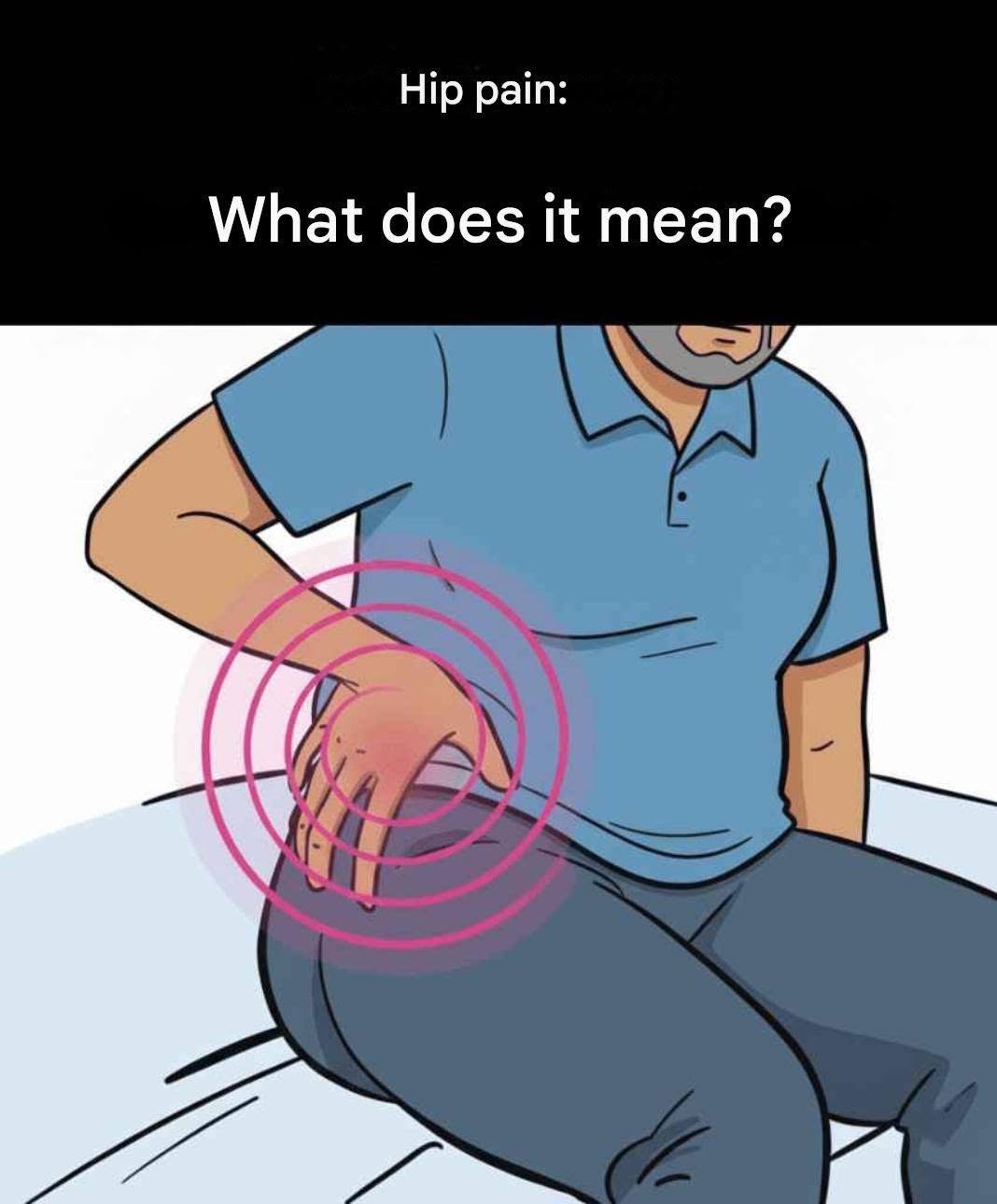
What Hip Pain Really Means and Why You Shouldn’t Ignore It:
Hip pain is something many of us experience at some point in our lives. It can be subtle—a dull ache upon waking—or sharp, sudden, and alarming. While some dismiss it as “just aging” or “a minor strain,” the truth is that hip pain can indicate a variety of health problems, some serious, others easily treatable.
In this article, we’ll explore the different types of hip pain, what each can indicate, and the simple steps you can take to relieve the discomfort. Whether you’re an active adult, someone struggling with arthritis, or simply curious about what your body is telling you, understanding your hips is essential.
Understanding Hip Pain: Common Causes
Osteoarthritis:
The most common form of hip pain in adults over 50 is osteoarthritis. This occurs when the protective cartilage in the hip joint wears away over time. People with osteoarthritis often notice stiffness in the morning or after sitting for long periods. The pain usually worsens with activity but may temporarily improve with rest. Bursitis
: Bursitis occurs
when the small fluid-filled sacs (bursae) near the hip joint become inflamed. This often causes sharp, stabbing pain on the outside of the hip. It’s common in runners or people who perform repetitive movements, but it can affect anyone.
Tendinitis:
Inflammation of the tendons around the hip can lead to tendinitis. The pain may feel like a dull ache that gradually intensifies, especially when climbing stairs or getting up from a chair.
Hip fracture: Increased
hip pain, especially after a fall or accident, may indicate a fracture. This is particularly common in older people whose bones are weakened due to osteoporosis. Immediate medical attention is necessary.
Referred pain from other areas:
Sometimes, the pain you feel in your hip actually originates from another part of your body. Lower back problems, sciatica, or even knee problems can radiate pain to the hip area.
Signs you should see a doctor:
Not all hip pain is dangerous, but certain signs indicate it’s time to see a doctor:
Sudden or intense pain after an injury
Pain accompanied by swelling or redness
Limited mobility or inability to put weight on the leg
Fever or signs of infection
Pain that does not improve with rest, stretching, or over-the-counter medications
Simple ways to relieve hip pain at home.
Before considering invasive treatments, many find relief through natural methods:
Gentle stretching and exercise:
Low-intensity activities like swimming, cycling, or walking can strengthen the muscles around the hip, provide stability, and reduce pain. Yoga poses that open the hips can also improve flexibility and relieve discomfort. Ice and heat
therapy
: Applying ice packs for 15 to 20 minutes several times a day helps reduce inflammation. Heating pads, on the other hand, relax tense muscles and improve blood circulation. Alternating between heat and cold can be very effective.
Weight Management:
Carrying extra weight puts a strain on your hip joints. Maintaining a healthy weight can reduce pain and prevent further joint damage.
Appropriate shoes
with good arch support and cushioning can prevent abnormal strain on the hips. Avoid walking for long periods in high heels, as this can worsen hip pain.
Anti-inflammatory diets:
Foods rich in omega-3 fatty acids, antioxidants, and vitamins can help reduce inflammation. Think oily fish, leafy green vegetables, berries, and nuts. Avoid too much sugar, processed foods, and refined carbohydrates.
When surgery may be necessary
For those whose hip pain persists despite conservative treatments, surgical options may be considered:
Hip replacement: recommended for severe osteoarthritis or significant joint damage.
Hip arthroscopy: Minimally invasive surgery for the removal of bone spurs, cartilage repair, or treatment of labral lesions.
Advances in surgical techniques now allow for faster recovery and less post-operative pain than before.
Lifestyle habits to keep your hips healthy:
Regular exercise – Maintain strength training to keep the supporting muscles of the hips strong.
Pay attention to posture – Avoid staying close to each other or crossing your legs for long periods.
Stretching routine – Stretch daily to maintain your flexibility.
Balanced diet – Ensure adequate intake of calcium and vitamin D to strengthen bones.
Rest and recovery – Avoid overworking your hips, especially during periods of inflammation.
When hip pain can indicate serious health problems:
Sometimes, persistent hip pain can indicate more than just joint or muscle problems:
Infections: Septic arthritis can cause severe hip pain with fever and swelling.
Blood clots: Rarely, deep vein thrombosis can manifest as pain in the hip or leg.
Inflammatory conditions: Rheumatoid arthritis or lupus can affect the hips.
If the pain is accompanied by unusual symptoms, it is crucial to undergo a complete check-up.
Key points:
Hip pain is common, but not always harmless. By paying attention to your body, understanding the cause of the discomfort, and adopting good habits, you can prevent long-term damage and improve your quality of life.
Remember: your hips carry you throughout your life – don’t ignore their warning signs. Regular exercise, a healthy diet, and paying attention to your body’s signals can make a big difference.