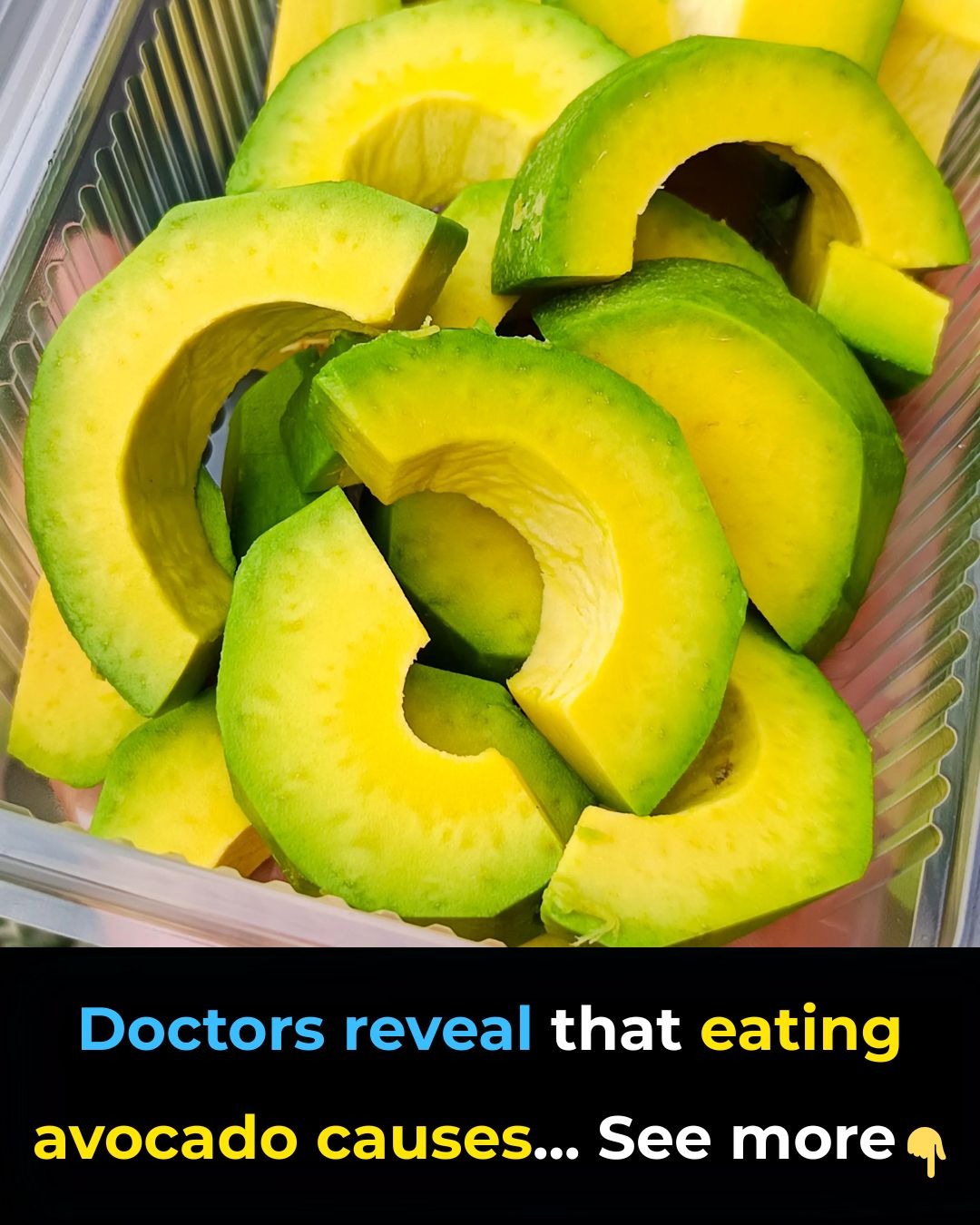
For years, avocados were unfairly labeled as “too fatty” or “too caloric.”
But modern nutrition science has flipped the script: avocados are a superfood powerhouse—packed with heart-healthy fats, fiber, and antioxidants that support everything from your waistline to your eyes.
But what about the avocado seed? You’ve probably seen viral posts claiming it’s a miracle cure. Let’s separate fact from fiction—with science.
✅ Science-Backed Benefits of Avocado Flesh
1. Rich in Heart-Healthy Monounsaturated Fats
Over 70% of avocado fat is oleic acid—the same anti-inflammatory fat found in olive oil.
Studies show it helps lower LDL (“bad”) cholesterol and raise HDL (“good”) cholesterol.
🫀 Result: Reduced risk of heart disease—the #1 cause of death worldwide.
2. Boosts Absorption of Fat-Soluble Nutrients
Avocados contain carotenoids (like lutein and beta-carotene)—but these are fat-soluble, meaning they need fat to be absorbed.
Adding avocado to salads increases carotenoid absorption by 200–600% (per NIH studies).
👁️ Bonus: Lutein supports eye health and may reduce macular degeneration risk.
3. Supports Weight Management & Satiety:
Half an avocado = 7g fiber + 10g healthy fat → keeps you full longer.
In one study, people who ate avocado at lunch reported 40% less hunger 5 hours later.
⚖️ Note: Despite ~138 calories per half, avocados don’t promote weight gain when eaten in place of refined carbs.
4. Packed with Potassium (More Than Bananas!)
One avocado = 975mg potassium vs. banana’s 422mg.
Helps regulate blood pressure, fluid balance, and nerve function.
5. Anti-Inflammatory & Gut-Friendly
Contains fiber + polyphenols that feed beneficial gut bacteria.
Oleic acid reduces inflammatory markers like CRP.
❓ What About the Avocado Seed? The Truth
You’ve seen the claims:
“Grind the seed—it cures cancer, lowers cholesterol, and fights aging!”
But here’s what science actually says:
The Reality:
No robust human studies prove avocado seeds are safe or beneficial.
Seeds contain persin (a natural fungicide) and tannins—which can be toxic in high doses.
The FDA does not recognize avocado seeds as safe for consumption.
Most research on seed extracts is test-tube or animal-based—not applicable to humans eating ground seeds.
⚠️ Bottom line: While the seed contains antioxidants, there’s no evidence it’s safe to eat—and potential risks exist. Stick to the flesh.
🥑 How to Enjoy Avocados for Maximum Benefit
Breakfast: Mash on toast with eggs + chili flakes
Lunch: Add slices to salads, grain bowls, or wraps
Smoothies: Blend for creamy texture + healthy fats
Dessert: Make chocolate mousse with avocado, cocoa, and dates
Storage: Sprinkle cut avocado with lemon juice; store with pit to reduce browning
💡 Pro tip: Buy slightly firm avocados; ripen at room temp in a paper bag with a banana.
🚫 Who Should Be Cautious?
FODMAP-sensitive individuals: Avocados are high in polyols—limit to ⅛–¼ avocado if prone to IBS.
On blood thinners: Vitamin K content is moderate—keep intake consistent (don’t suddenly eat large amounts).
💬 Final Thought
Avocados aren’t just trendy—they’re nutritionally exceptional. They turn ordinary meals into nutrient-absorbing powerhouses, keep you satisfied, and support long-term health.
But skip the seed.
The real magic is in the creamy green flesh—nature’s perfect blend of taste and wellness.
“Eat the rainbow—but let avocado be the healthy fat that helps you absorb it all.”
How do you enjoy your avocados? Do you have a favorite way to use them? Share your go-to recipe below—we’re all nourishing ourselves together!