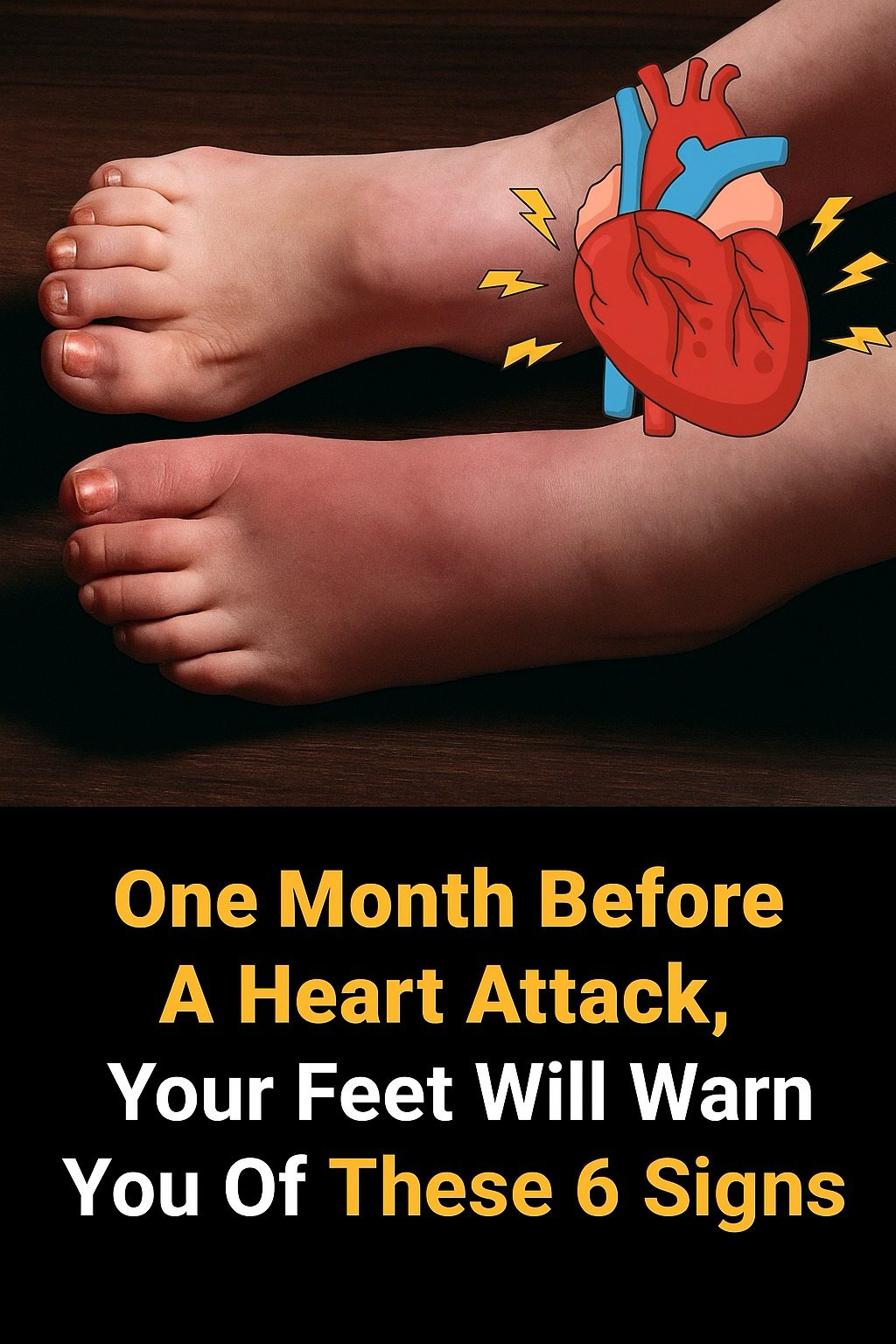
Most of us think of our feet as just… feet. They help us move, balance, and carry us through the day — but few people realize that your feet can quietly reveal what’s going on with your heart. Because your heart works 24/7 to send blood to every corner of your body, when something’s wrong with your circulation, your feet are often the first to “speak up.”
Doctors say your feet can give you a two- to four-week early warning before a serious heart issue surfaces.
Here’s what to watch for — and a few secret checks you can do right at home.
1. Your Feet Are Always Cold — Even When It’s Warm
If your toes stay icy even when the rest of you feels fine, it could mean your blood isn’t reaching your extremities efficiently.
This is a subtle sign that your heart or arteries may not be pumping as strongly as they should.
Secret check: Press your thumb into the top of your foot for a few seconds, then let go. If the color takes more than 2–3 seconds to return, your circulation might be slower than normal.
2. Swollen Ankles or Puffy Feet by Evening
A little swelling after a long day is normal — but daily swelling, especially around the ankles, can mean your heart isn’t moving blood efficiently enough, causing fluid to pool in your lower legs.
Many people brush this off as “just water retention,” but it’s one of the most common early signs of heart strain.
Secret tip: Check your socks at night — if they leave deep marks, it might be time for a cardiovascular checkup.
3. Pale, Blue, or Purplish Toes
Discoloration on your feet or toes isn’t just about temperature — it can mean your blood is low in oxygen or struggling to flow properly through narrowed arteries.
If your feet look unusually pale when elevated, or bluish when cold, don’t ignore it — your body is literally showing you a circulation imbalance.
Secret check: Lift your legs while sitting for 30 seconds, then lower them down. If your toes take more than a few seconds to “pink up” again, your blood flow may be compromised.
4. Tingling, Numbness, or Pins-and-Needles
This is one that surprises people. Frequent tingling or numbness — especially at night — can signal peripheral artery disease (PAD), a condition where blood vessels narrow and restrict flow to your limbs. PAD doesn’t just affect your legs; it’s often an early indicator of heart disease.
Secret insight:
PAD can develop quietly for years before symptoms appear.
If you feel tingling combined with coldness or color changes, that’s your cue to get checked — not later, but soon.
5. Small Cuts or Sores That Heal Slowly
If tiny cuts on your feet or toes take forever to heal, it could be a sign that your blood isn’t carrying enough oxygen and nutrients to repair tissues efficiently. This often points to circulatory problems related to diabetes or heart health.
Secret prevention tip: After showering, inspect your feet carefully under good light — especially the sides and between the toes. Many people discover slow-healing wounds only when they’ve already worsened.
6. Cramping or Pain When Walking
If your calves or feet ache after walking but feel better when you rest, that’s called intermittent claudication — and it’s one of the clearest signs that blood flow to your legs is restricted.
It’s easy to mistake for muscle soreness, but it’s actually your body saying:
“Hey, I’m not getting enough oxygen down here.”
Secret self-test: Try walking up a small incline or a few flights of stairs. If your legs ache or feel heavy but recover quickly after rest, it’s worth mentioning to your doctor.
Why These Signs Matter
Your heart is a pump — and your feet are the farthest points it needs to reach. When circulation falters, your feet are often the first place to show distress.
The good news?
Catching these signals early can prevent serious heart events.
Schedule a quick cardiovascular check-up if you notice two or more of these signs consistently. Ask your doctor about a simple ankle-brachial index test — it compares blood pressure in your ankle and arm to detect circulation problems early.
Small Daily Habits That Protect Both Heart and Feet
- Move your legs every hour — even short walks improve circulation.
- Drink enough water; dehydration thickens blood and slows flow.
- Limit sodium — it’s the #1 trigger of fluid buildup in ankles.
- Massage your feet before bed to stimulate blood flow.
- Don’t ignore your shoes: tight footwear restricts circulation.
Your feet aren’t just supporting you — they’re communicating with you. Before heart symptoms appear in your chest, they often whisper through your toes. So next time you notice swelling, numbness, or strange color changes, don’t dismiss them as “nothing.” Your feet may be quietly saving your life — if you listen.