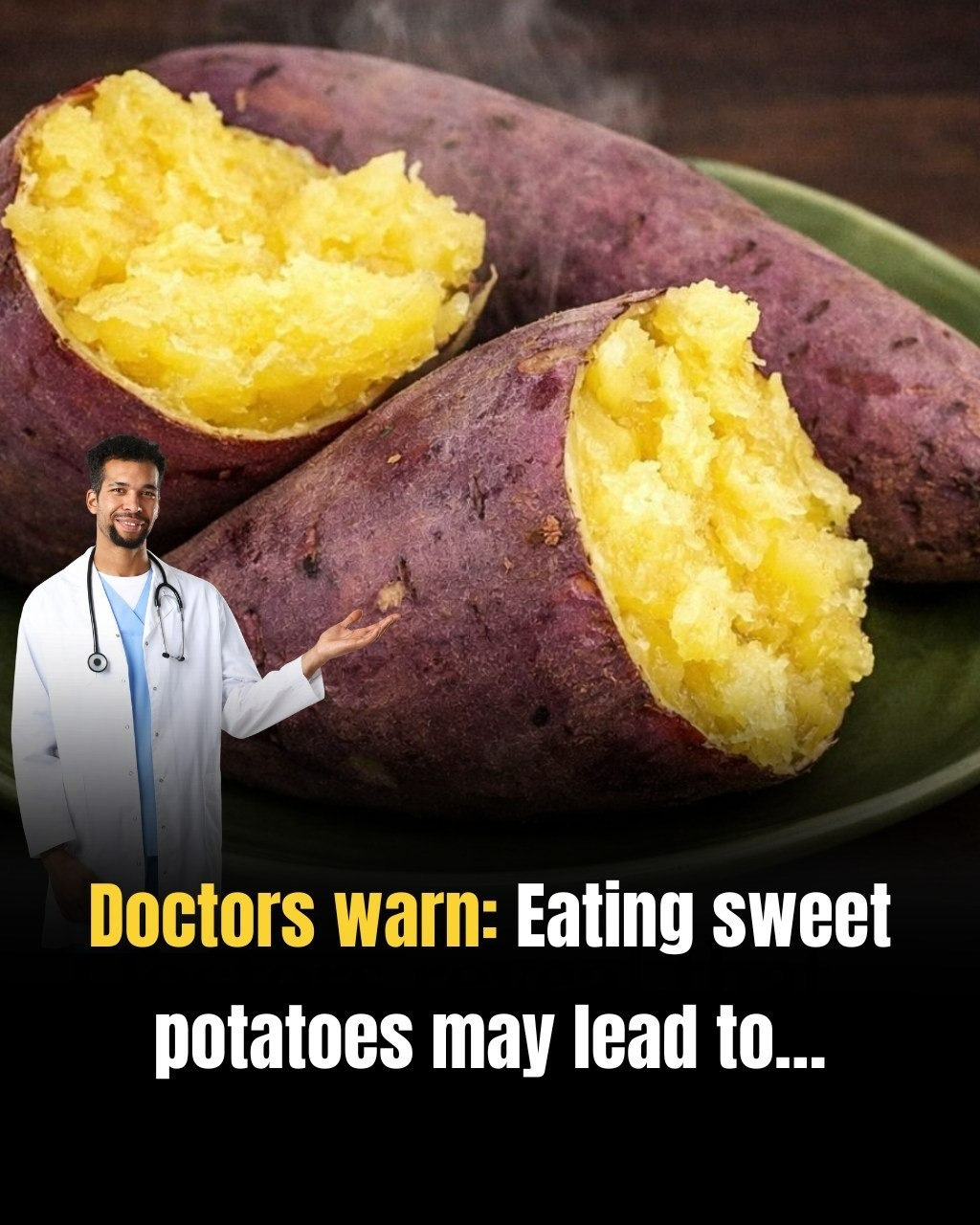
The Humble Root Vegetable With Science-Backed Superpowers — And How to Enjoy Them Wisely
Sweet potatoes aren’t just a holiday side dish or a trendy smoothie add-in. They’re a nutritional powerhouse with a growing body of research supporting their role in long-term wellness.
From supporting eye health to promoting gut diversity, managing blood sugar, and boosting immunity, sweet potatoes offer far more than just comforting flavor.
This article isn’t about hype. It’s about clarity. It’s about giving you honest, evidence-informed information so you can enjoy this versatile root vegetable with confidence—not confusion.
Let’s explore what science actually says about sweet potatoes—and how to make them work for your health.
📋 Sweet Potatoes & Wellness: Quick Reference Guide
| Detail | Information |
|---|---|
| Scientific Name | Ipomoea batatas |
| Key Nutrients | Beta-carotene (vitamin A), fiber, vitamin C, potassium, manganese, anthocyanins (purple varieties) |
| Best Forms for Wellness | Baked, roasted, steamed; with a little healthy fat to enhance nutrient absorption |
| Evidence Level | Strong for vitamin A/eye health; emerging for gut health, blood sugar support, anti-inflammatory effects |
| Typical Serving | ½–1 cup cooked (about 1 medium sweet potato) |
| Safety Note | Generally safe for most; caution for those with kidney disease (potassium) or kidney stones (oxalates) |
| Bottom Line | Sweet potatoes are a nutrient-dense, versatile food that supports health as part of a balanced diet—not a magic cure |
💡 Key insight: The power of sweet potatoes lies in their phytochemical diversity. But “healthy” doesn’t mean “unlimited”—balance and preparation matter.
❤️ Why Sweet Potatoes Deserve a Closer Look
Sweet potatoes are more than a tasty tuber. They’re a botanical reservoir of compounds that interact with human biology in meaningful ways.
The Science Behind the Sweetness:
The Science Behind the Sweetness
Nutrient/Compound
Primary Biological Activities
Food Sources Within Sweet Potato
Beta-carotene (provitamin A)
Antioxidant; supports vision, immune function, skin health
Orange-fleshed varieties (highest concentration)
Anthocyanins
Anti-inflammatory, antioxidant, potential neuroprotective effects
Purple-fleshed varieties
Dietary fiber
Supports gut health, blood sugar regulation, satiety
Skin and flesh (keep the skin on for maximum benefit)
Vitamin C
Immune support, collagen synthesis, antioxidant protection
All varieties; highest when lightly cooked
Potassium
Supports blood pressure regulation, nerve function, fluid balance
All varieties
Manganese
Bone health, metabolism, antioxidant enzyme function
All varieties
Resistant starch (when cooled)
Prebiotic fiber that feeds beneficial gut bacteria
Cooked and cooled sweet potatoes
🔬 Research note: Cooking method matters. Baking or roasting preserves more beta-carotene than boiling. Pairing with a little healthy fat (olive oil, avocado) enhances absorption of fat-soluble nutrients like beta-carotene.
🩺 Potential Health Benefits: What Research Actually Shows
Research has identified several areas where sweet potatoes may play a supportive role in wellness. However, it is crucial to recognize that most benefits come from regular consumption as part of a balanced diet—not from eating sweet potatoes in isolation.
Let’s break down the evidence—clearly and compassionately.
1. Supports Eye Health and Vision ✅ Strong Evidence
What the Research Shows
Why It Matters
Evidence Level
One medium sweet potato provides over 400% of the daily value for vitamin A (as beta-carotene)
Vitamin A is essential for retinal function and preventing night blindness
✅ Strong: Well-established in nutrition science
Beta-carotene acts as an antioxidant, protecting eye cells from oxidative damage
May help reduce risk of age-related macular degeneration (AMD) over time
✅ Strong for antioxidant role; ⚠️ Emerging for specific disease prevention
Lutein and zeaxanthin (in some varieties) accumulate in the retina
These carotenoids filter harmful blue light and support long-term eye health
✅ Strong for mechanism; ⚠️ More human trials needed for sweet potato-specific effects
✨ In Practice: Enjoy orange sweet potatoes regularly for eye support. Pair with a little healthy fat (like olive oil) to maximize beta-carotene absorption.
2. Promotes Gut Health and Digestion ⚠️ Emerging Evidence
What the Research Shows
Why It Matters
Evidence Level
Sweet potatoes provide both soluble and insoluble fiber
Supports regularity, feeds beneficial gut bacteria, and promotes a diverse microbiome
✅ Strong for fiber benefits; ⚠️ Emerging for sweet potato-specific prebiotic effects
Resistant starch forms when sweet potatoes are cooked and cooled
Acts as a prebiotic, feeding beneficial bacteria like Bifidobacteria
✅ Strong for resistant starch mechanism; ⚠️ Limited human trials on sweet potatoes specifically
Anthocyanins in purple sweet potatoes may reduce gut inflammation
Could support gut barrier integrity and immune function
⚠️ Preclinical evidence; promising but needs human validation
✨ In Practice: Keep the skin on for maximum fiber. Try cooling cooked sweet potatoes (like in a salad) to boost resistant starch content.
3. Helps Support Healthy Blood Sugar Levels ⚠️ Context-Dependent Evidence
What the Research Shows
Why It Matters
Evidence Level
Sweet potatoes have a lower glycemic index (GI) than white potatoes (especially when boiled)
Lower GI means slower, more stable blood sugar response
✅ Strong for GI comparison; ⚠️ Individual responses vary
Fiber and resistant starch slow carbohydrate digestion
Helps prevent rapid blood sugar spikes
✅ Well-established mechanism
Some animal studies suggest sweet potato extracts may improve insulin sensitivity
Promising for future research, but not yet translatable to human dosing
⚠️ Preclinical only
💡 Critical nuance: Sweet potatoes still contain carbohydrates. Portion size, preparation method, and what you eat them with all affect blood sugar impact. They’re not “free” carbs—but they can fit into a blood sugar-friendly diet when enjoyed mindfully.
✨ In Practice: Pair sweet potatoes with protein and healthy fat (like chicken and avocado) to further stabilize blood sugar. Boiling or steaming may result in a lower GI than baking or roasting.
4. Boosts Immune Function ✅ Strong Evidence (for Key Nutrients)
What the Research Shows
Why It Matters
Evidence Level
Beta-carotene converts to vitamin A, which supports mucosal immunity (gut, lungs, skin)
First line of defense against pathogens
✅ Strong: Vitamin A’s role in immunity is well-established
Vitamin C supports white blood cell function and acts as an antioxidant
Helps immune cells function optimally and reduces oxidative stress
✅ Strong
Antioxidants in sweet potatoes may reduce chronic inflammation
Chronic inflammation can weaken immune resilience over time
✅ Strong for antioxidant mechanism; ⚠️ Emerging for sweet potato-specific immune outcomes
✨ In Practice: Include sweet potatoes regularly during cold/flu season as part of a nutrient-dense diet. Don’t rely on them alone—immune health depends on sleep, stress management, and overall nutrition too.
5. Supports Skin Health and Repair ⚠️ Emerging Evidence
What the Research Shows
Why It Matters
Evidence Level
Vitamin A supports skin cell turnover and repair
Helps maintain healthy skin barrier and wound healing
✅ Strong for vitamin A’s role
Vitamin C is essential for collagen synthesis
Supports skin elasticity and repair
✅ Strong
Antioxidants may protect skin from UV-induced oxidative damage
Could support long-term skin resilience (but doesn’t replace sunscreen!)
⚠️ Emerging for dietary antioxidant effects on skin
✨ In Practice: Think of sweet potatoes as “edible skincare”—supporting skin from the inside out. Pair with topical sun protection for comprehensive care.
6. May Support Heart Health ⚠️ Emerging Evidence
What the Research Shows
Why It Matters
Evidence Level
Potassium helps regulate blood pressure by balancing sodium effects
High blood pressure is a major risk factor for heart disease
✅ Strong for potassium’s role
Fiber may help lower LDL (“bad”) cholesterol
Supports cardiovascular health over time
✅ Strong for fiber benefits
Anthocyanins have anti-inflammatory and antioxidant effects
Chronic inflammation and oxidative stress contribute to heart disease
⚠️ Emerging for sweet potato-specific cardiovascular outcomes
✨ In Practice: Enjoy sweet potatoes as part of a heart-healthy dietary pattern (like the Mediterranean diet), alongside vegetables, whole grains, lean protein, and healthy fats.
🥗 Practical Ways to Enjoy Sweet Potatoes for Wellness
You don’t need complicated recipes to benefit from sweet potatoes. Simple preparation often preserves the most nutrients.
Preparation Methods Compared
Method
Nutrient Impact
Best For
Baking/Roasting
Preserves beta-carotene; concentrates natural sweetness
Side dishes, meal prep, snacks
Steaming
Retains water-soluble vitamins (like vitamin C); gentle on nutrients
Light meals, baby food, sensitive digestion
Boiling
May lower glycemic index; some nutrients leach into water (use cooking water in soups!)
Mashed sweet potatoes, soups, stews
Microwaving
Quick; preserves nutrients well due to short cook time
Busy weeknights, single servings
**Eating Raw **(grated)
Maximizes vitamin C and enzymes; harder to digest for some
Salads, slaws (in moderation)
💡 Pro tip: Cook sweet potatoes with a little healthy fat (olive oil, avocado oil, or a pat of butter) to enhance absorption of fat-soluble nutrients like beta-carotene.
Simple, Nutrient-Packed Ideas
Idea
How-To
Wellness Angle
Roasted Sweet Potato Wedges
Toss cubes with olive oil, paprika, garlic powder; roast at 400°F until tender
Beta-carotene + healthy fats = enhanced absorption
Sweet Potato & Black Bean Bowl
Top roasted sweet potato with black beans, avocado, lime, cilantro
Fiber + protein + healthy fats = balanced, satisfying meal
Mashed Sweet Potatoes
Steam or boil; mash with a splash of milk (dairy or plant-based) and cinnamon
Comforting, nutrient-dense alternative to white potatoes
Sweet Potato Toast
Slice lengthwise; toast until tender; top with almond butter + banana
Creative, gluten-free breakfast or snack
Cool Sweet Potato Salad
Cube, boil, cool; toss with Greek yogurt, herbs, lemon
Resistant starch + probiotics = gut-supportive combo
Sweet Potato Soup
Blend roasted sweet potato with ginger, coconut milk, vegetable broth
Warming, anti-inflammatory, easy to digest
⚠️ Safety & Considerations: Enjoying Sweet Potatoes Wisely
Sweet potatoes are safe and nutritious for most people. But a few considerations help you enjoy them mindfully.
Generally Safe For
✅ Most adults and children
✅ People with diabetes (when portioned mindfully as part of a balanced meal)
✅ Those seeking nutrient-dense, plant-forward foods
Use Caution or Consult a Provider If…
⚠️ Kidney disease: Sweet potatoes are high in potassium; those with advanced kidney disease may need to limit intake
⚠️ **Kidney stones **(oxalate-sensitive) Sweet potatoes contain moderate oxalates; discuss portion sizes with your provider if you form calcium-oxalate stones
⚠️ Digestive sensitivity: High fiber may cause bloating in some; start with small portions and increase gradually
⚠️ Allergies: Rare, but possible. Discontinue if you experience itching, swelling, or digestive upset
Preparation Tips for Maximum Benefit
Tip
Why It Matters
Keep the skin on
Most fiber and many antioxidants are concentrated in or near the skin
Don’t overcook
Excessive heat can degrade vitamin C and some antioxidants
Pair with healthy fat
Enhances absorption of beta-carotene and other fat-soluble nutrients
**Cool before eating **(for resistant starch)
Increases prebiotic fiber content for gut health
Vary the colors
Orange, purple, and white varieties offer different phytochemical profiles
💡 Pro tip: Wash sweet potatoes thoroughly before cooking—scrub the skin well if you plan to eat it.
❓ FAQs: Your Questions, Answered
Q: Are sweet potatoes healthier than white potatoes?
A: They offer different nutrients. Sweet potatoes are higher in beta-carotene and fiber; white potatoes provide more potassium and vitamin C. Both can be part of a healthy diet—variety is key.
Q: Can sweet potatoes help with weight loss?
A: They can support weight management when eaten in place of less nutrient-dense foods. Their fiber promotes satiety, but portion control still matters—they contain calories and carbohydrates.
Q: Should people with diabetes avoid sweet potatoes?
A: Not necessarily. Sweet potatoes have a lower glycemic index than white potatoes and provide fiber. Enjoy them in controlled portions as part of a balanced meal with protein and fat.
Q: Do purple sweet potatoes have extra benefits?
A: Yes. Purple varieties contain anthocyanins (also found in blueberries), which have potent antioxidant and anti-inflammatory properties. Enjoy them for variety and added phytochemicals.
Q: Can I eat sweet potato leaves?
A: Yes! In many cultures, sweet potato greens are eaten like spinach. They’re rich in vitamins A, C, and K, and minerals like iron. Sauté or add to soups.
Q: Does cooking destroy the nutrients?
A: Cooking actually enhances the bioavailability of beta-carotene. Vitamin C is heat-sensitive, so gentle cooking (steaming) preserves more. Overall, cooked sweet potatoes remain highly nutritious.
Q: Can I eat sweet potatoes every day?
A: For most people, yes—as part of a varied diet. If you have kidney concerns or oxalate sensitivity, discuss frequency and portion size with your provider.
Q: Are canned sweet potatoes as nutritious as fresh?
A: Canned sweet potatoes (without added sugar or syrup) retain most nutrients. Rinse to reduce sodium if packed in salted water. Fresh or frozen are also excellent choices.
Q: Can sweet potatoes cause gas or bloating?
A: The fiber and resistant starch can cause gas in some people, especially when increasing intake suddenly. Start with small portions and drink plenty of water.
Q: What’s the best way to store sweet potatoes?
A: Store in a cool, dark, well-ventilated place (not the refrigerator). Properly stored, they can last 3–5 weeks. Once cooked, refrigerate in an airtight container for up to 5 days.
📋 Quick-Reference Action Plan
This Week: Explore Sweet Potatoes
Buy one orange and one purple sweet potato to compare flavors and colors
Try one new preparation method (roasting, steaming, or cooling for salad)
Keep the skin on for maximum fiber and nutrients
Share a sweet potato dish with a friend or family member
This Month: Build Sustainable Habits
Add sweet potatoes to one meal per week as a nutrient boost
Experiment with pairing: protein + healthy fat + sweet potato for balanced meals
Learn one new recipe (soup, bowl, or toast) to keep meals interesting
Notice how you feel: energy, digestion, satisfaction
Ongoing: Enjoy Mindfully
Rotate sweet potatoes with other colorful vegetables for diverse phytochemicals
Adjust portions based on your activity level, health goals, and hunger cues
Consult your provider if you have kidney disease, kidney stones, or digestive concerns
Remember: Progress, not perfection. One nutrient-dense bite at a time.
💡 Remember: Sweet potatoes are a tool, not a rule. Use them to nourish—not to restrict or obsess.
🌱 A Compassionate Mindset: Nourishment Without Pressure
It’s easy to turn “superfood” talk into another source of pressure. Please hold this truth gently:
You don’t have to eat sweet potatoes to be healthy.
They’re one of many nutrient-dense foods that can support wellness. If you love them, wonderful. If you don’t, that’s okay too. If you’re curious, enjoy exploring.
What matters isn’t any single food. It’s the overall pattern of how you eat, move, rest, and care for yourself.
So if you choose to roast a sweet potato tonight, do it with joy—not obligation. And if you choose something else, that’s valid too.
💙 Affirmation: “I nourish my body with curiosity, not criticism. Every meal is an opportunity to care for myself—with kindness.”
💬 Final Thought: The Quiet Power of Humble Foods
Sweet potatoes don’t shout. They don’t trend on social media or promise overnight transformations. They simply nourish.
And sometimes, that’s the most powerful thing a food can do.
So the next time you hold a sweet potato in your hands—rough-skinned, earthy, unassuming—remember:
You’re holding more than a vegetable. You’re holding centuries of cultivation, resilience, and wisdom. You’re holding a food that has sustained communities through hardship and celebration alike.
And you’re holding an invitation: to nourish yourself with intention, with gratitude, with grace.
“The most transformative meals aren’t about perfection. They’re about presence.”
How do you enjoy sweet potatoes? Roasted, mashed, in soup, or something else entirely? Share your favorite way below—we’re all learning to nourish ourselves, together.