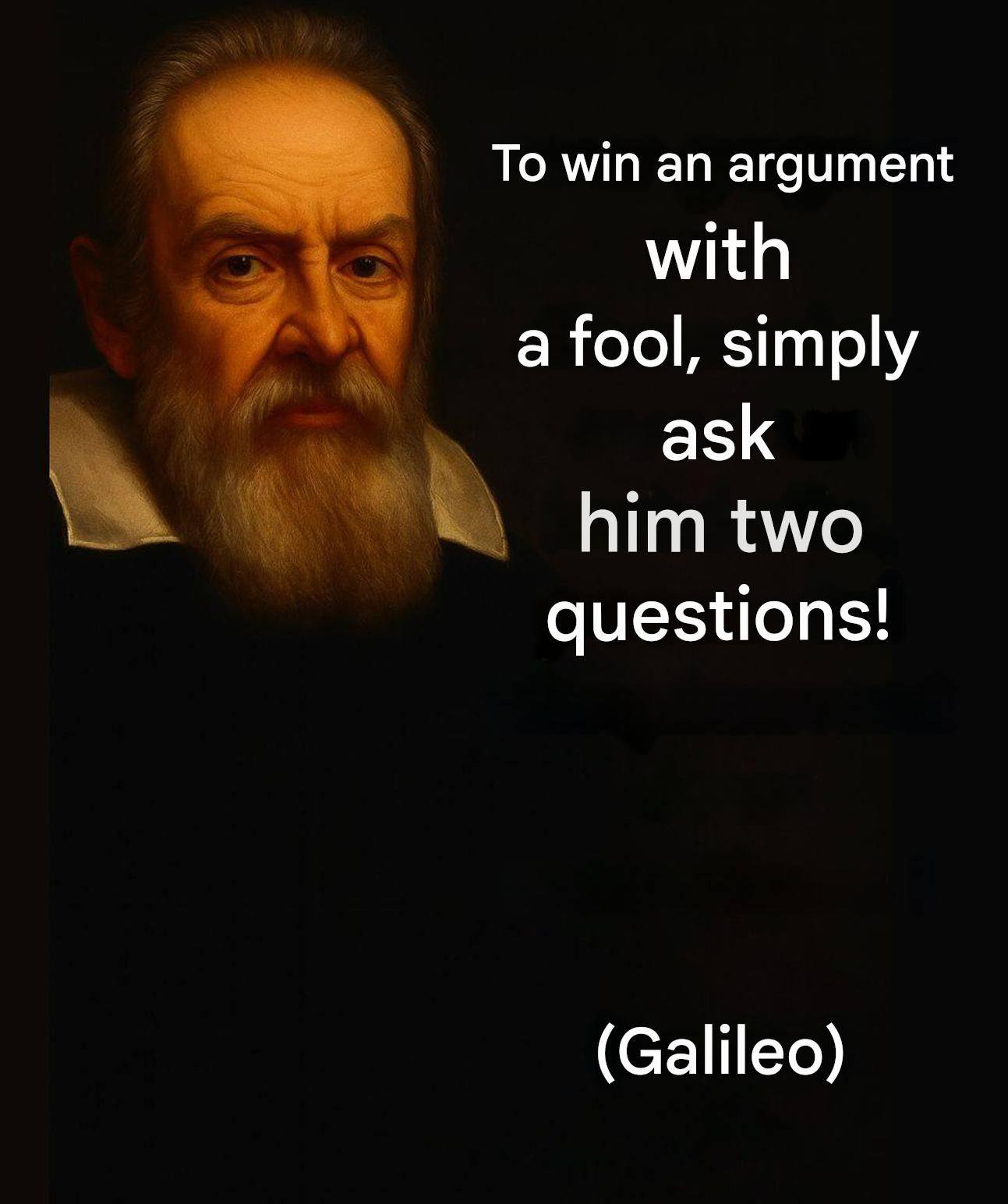
We’ve all experienced that awkward moment: a discussion that gets out of hand, someone sticks to their guns, and suddenly… No more arguments are accepted. What if Galileo had something to teach us about these sterile exchanges?
Galileo, much more than a misunderstood genius
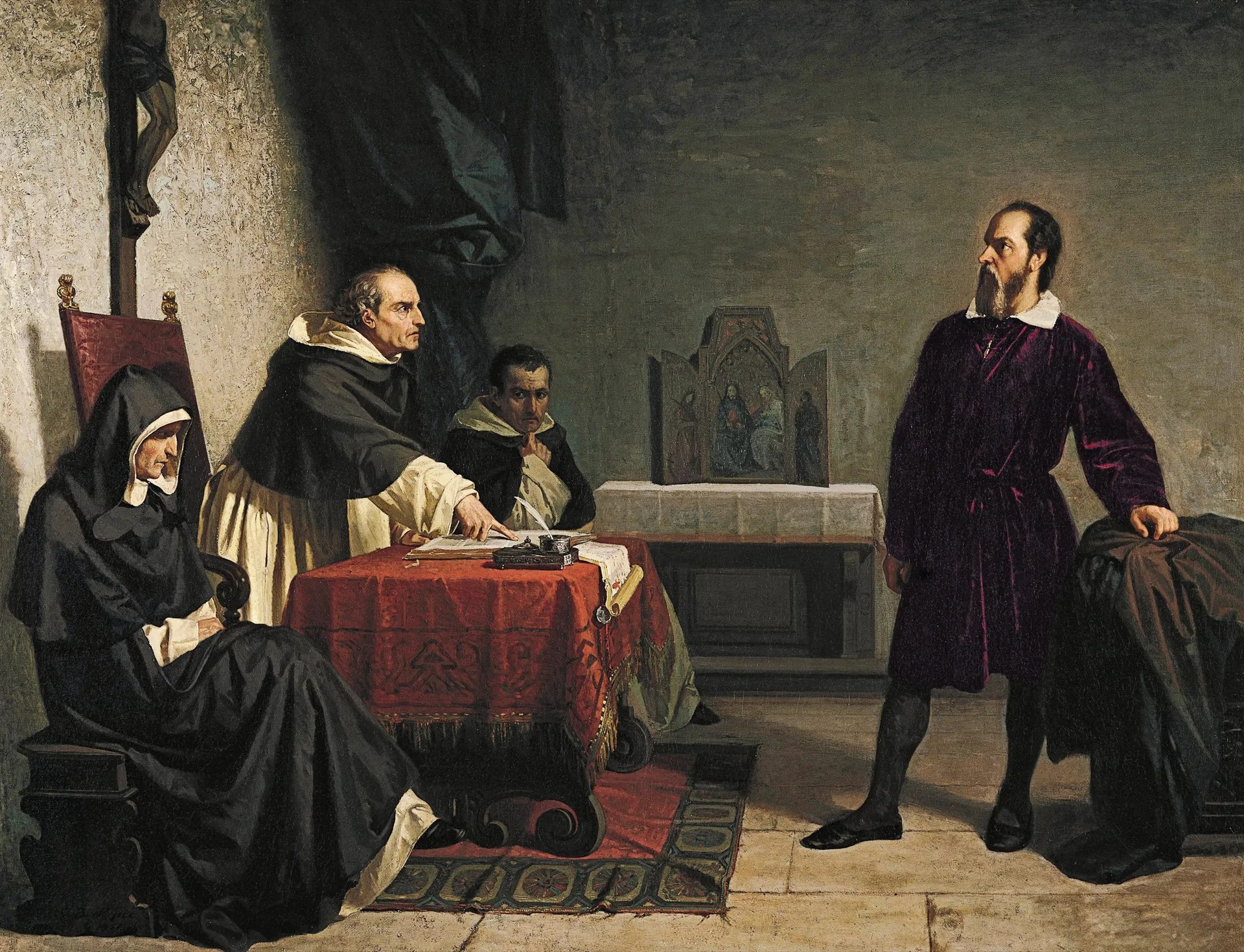
When one thinks of Galileo, one immediately imagines the father of modern science, that daring scientist who dared to challenge the prevailing ideas of his time. Born in 1564, he made history with his discoveries in astronomy, physics and mathematics, including his groundbreaking observations of the sky.
His support for the idea that the Earth revolves around the Sun has profoundly upset established certainties. The result: incomprehension, criticism and sidelining, all elements that have forged his legend.
Even today, he embodies intellectual courage and perseverance in the face of doubt.
The “Fallacy of Galileo”, a common trap
It is precisely this image of persecuted genius that gave rise to what is known as Galileo’s fallacy. The principle is simple: believe that an idea is necessarily valid simply because it is criticized, rejected or mocked.
In a discussion, this often reads:
“Galileo was also ridiculed, and yet he was right. So my idea is worth as much. Seductive
, isn’t it? But misleading.
Being misunderstood does not automatically make an opinion right. Galileo relied on evidence, precise observations and a rigorous method… which is far from always the case in our daily debates.
Why this argument doesn’t move the discussion forward
To use Galileo’s fallacy is to shift the debate. Instead of discussing the facts, we question the skepticism of the other.
As a result, everyone tenses, no one listens, and the conversation goes round in circles.
Galileo, for his part, was not content with affirming. He observed, experimented, and was willing to question his own assumptions. His strength was not to be right against everyone, but to seek coherence and logic, even when it went against the grain.
Critical thinking according to Galileo
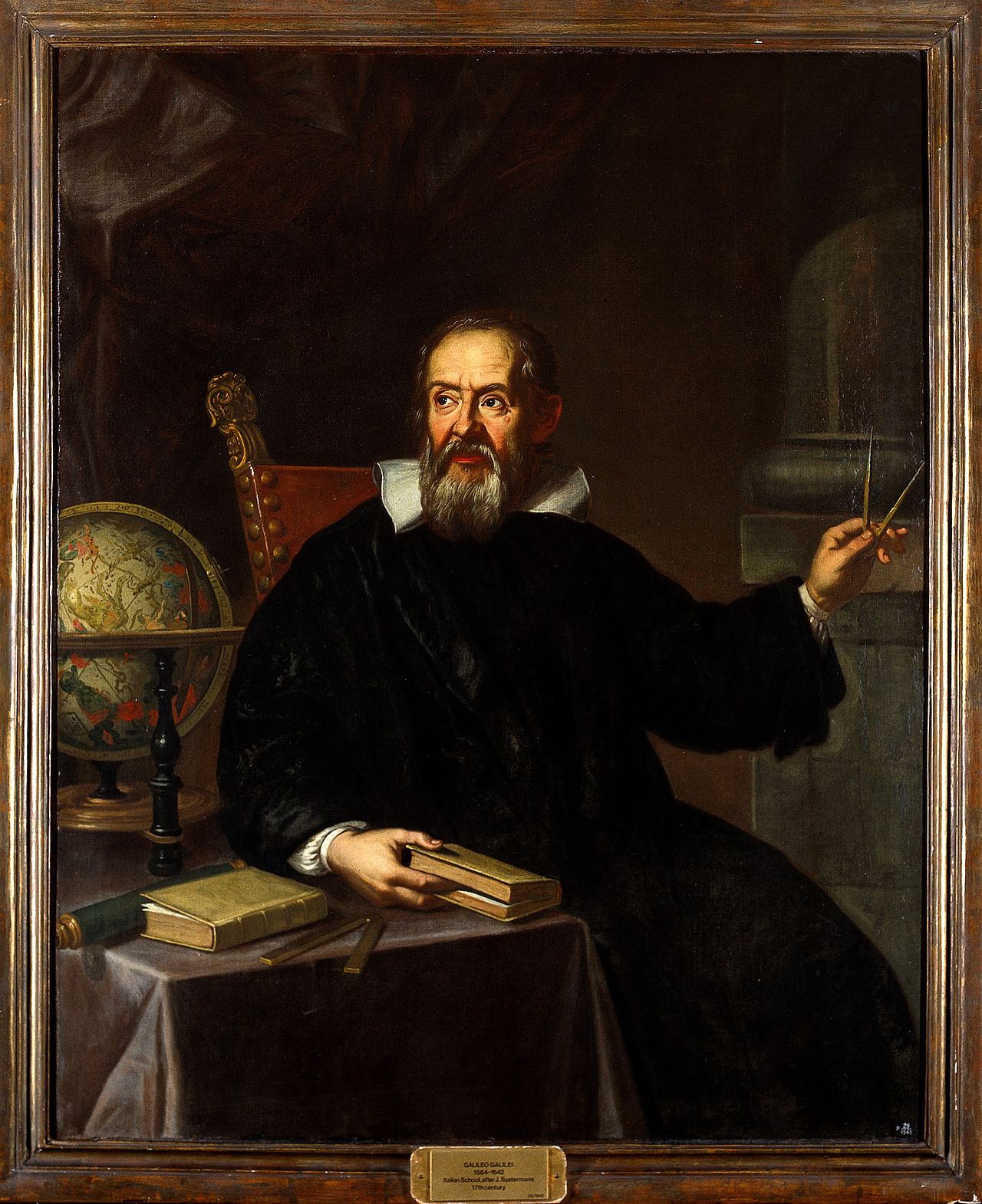
What makes Galileo’s thought so relevant is his permanent invitation to think for oneself. He refused to blindly follow authority or majority opinion, without ever confusing independence of mind with stubbornness.
He valued observation, questioning and intellectual honesty. In other words, to agree to change your mind when the facts require it. This is a valuable quality, especially in emotionally charged discussions, where critical thinking is often undermined.
Learning from others, even when it’s difficult
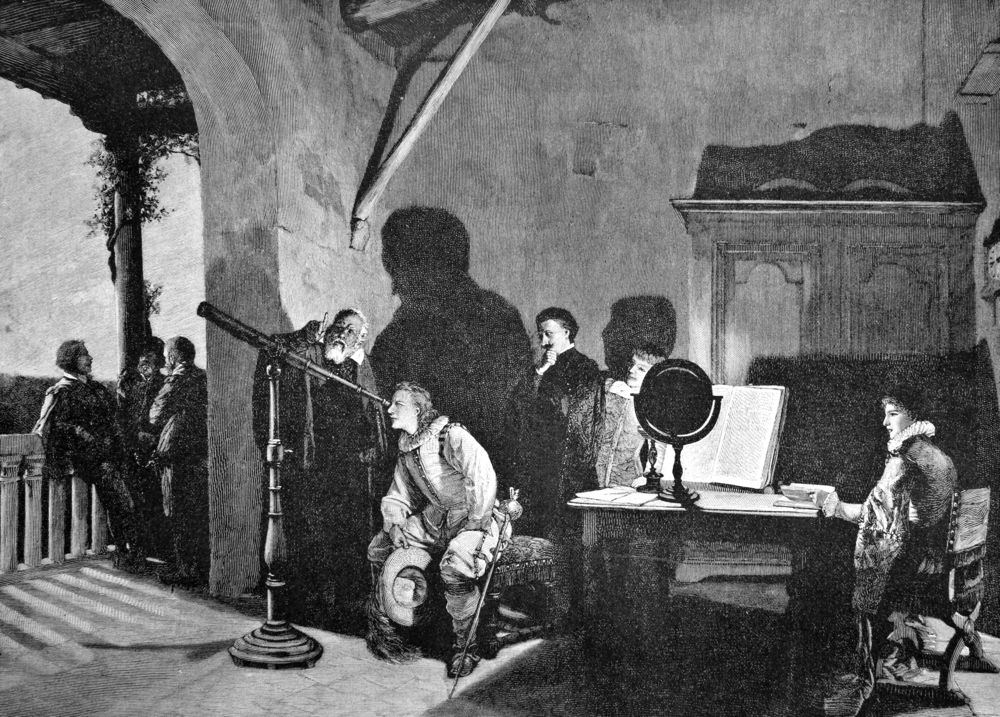
One of the most inspiring ideas associated with Galileo is simple: you can’t force someone to understand. Everyone follows their own path.
In an argument, this sometimes means letting go, rather than wanting to convince at all.
But it also works the other way around: being open to other people’s ideas, even if they are clumsily expressed, can enrich our thinking. Galileo insisted on intellectual humility: learning from everyone, without contempt, even when one disagrees.
How to come out of an argument stronger
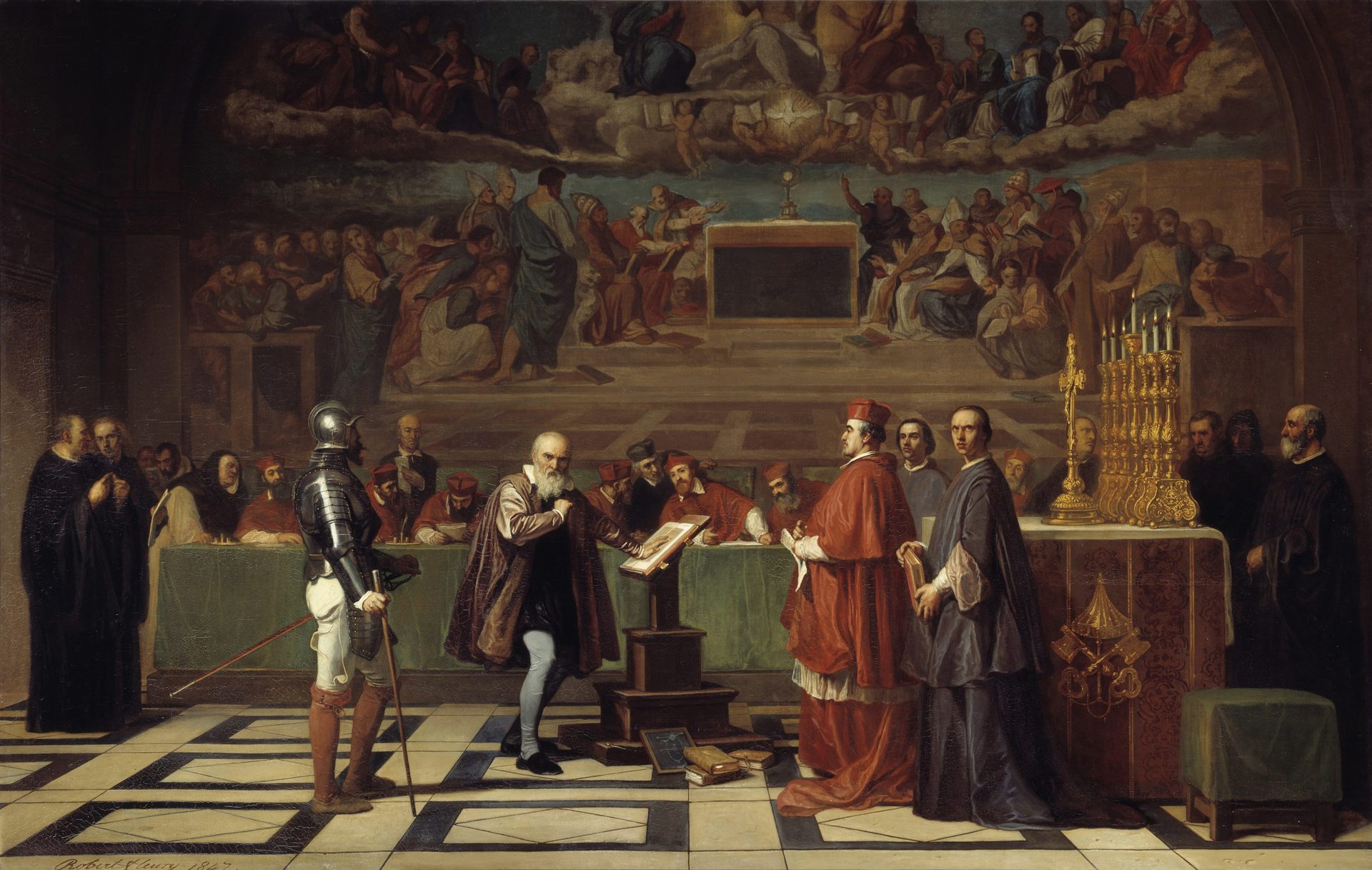
Rather than trying to “win” an argument, Galileo would probably invite us to strengthen our critical thinking: check the facts, spot inconsistencies, and remain consistent with our own values.
A successful discussion is not one where you crush the other, but one where you understand the subject better… and sometimes yourself.
Because in the end, Galileo’s legacy is not a recipe for being right at all costs, but an invitation to think with curiosity, rigor and openness, even when dialogue seems impossible.