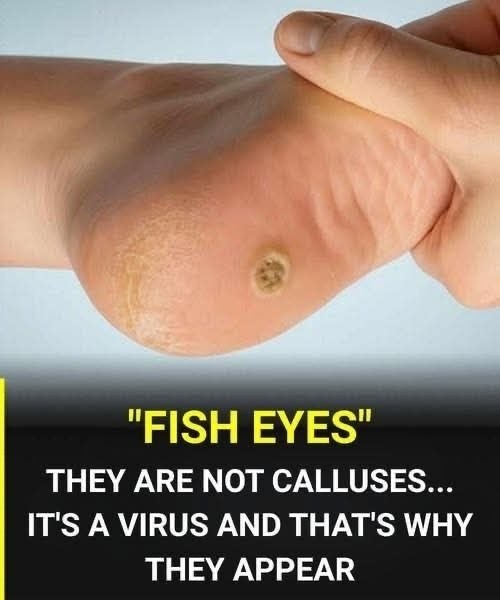
That rough patch on your sole might not be a callus. And treating it like one could make things worse. Let’s clarify the key differences—without fear-mongering—so you can care for your feet wisely.
The Core Difference: Friction vs. Virus
| Feature | Callus | Plantar Wart |
|---|---|---|
| Cause | Friction/pressure (shoes, standing) | HPV virus (types 1, 2, 4, 27, 57) entering through tiny skin breaks |
| Contagious? |  No No |  Yes—but requires direct contact + skin breach (not highly contagious) Yes—but requires direct contact + skin breach (not highly contagious) |
| Location | Pressure points (heel, ball of foot) | Anywhere on sole—often where virus entered |
| Texture | Uniformly thickened, yellowish | Rough, cauliflower-like; may have tiny black dots |
| Skin lines | Natural foot ridges continue through callus | Ridges disrupted or pushed aside by wart |
| Pain pattern | Hurts when pressed directly (standing) | Hurts when pinched from sides (lateral pressure) |
Key visual clue: Those “black dots” in warts aren’t seeds—they’re clotted capillaries (tiny blood vessels). Calluses have no dots.
Why Misidentifying Matters
Treating a wart like a callus can backfire:
-
- Filing/shaving removes surface skin but doesn’t kill the virus—may spread it to surrounding skin
- Moisturizing heavily creates a damp environment where HPV thrives
- Ignoring it lets the wart grow deeper (due to walking pressure) or spread to other areas
When to See a Doctor (Not Optional)
Seek professional care if you have:
-
- Diabetes or poor circulation (foot injuries heal slower; risk of infection)
- Weakened immune system (HIV, chemotherapy, immunosuppressants)
- Wart bleeding, changing color, or growing rapidly
- Pain interfering with walking
- No improvement after 2–3 months of OTC treatment
- Multiple warts spreading across foot
Never self-treat foot lesions if diabetic—even minor cuts can lead to serious complications.
Evidence-Based Treatment Options:
Evidence-Based Treatment Options
First-Line: OTC Salicylic Acid (Most Effective Home Treatment)
- How it works: Dissolves keratin (wart tissue) gradually
- Product: 17% salicylic acid pads/liquid (e.g., Compound W, Dr. Scholl’s)
- Method:
- Soak foot 5 mins in warm water
- Gently file wart surface with pumice after soaking (not dry!)
- Apply acid only to wart (protect surrounding skin with petroleum jelly)
- Repeat daily for 8–12 weeks
- Success rate: ~70% with consistent use
Second-Line: Cryotherapy (Freezing)
- At-home kits: Less effective than professional (weaker freezing temp)
- Doctor-performed: Liquid nitrogen application; may require 2–4 sessions
- What to expect: Blister forms, wart sloughs off in 1–2 weeks
Professional Options (For Stubborn Warts)
- Cantharidin (“beetle juice” paint-on blistering agent)
- Laser therapy
- Minor surgery (curettage)—rarely first choice (risk of scarring)
Avoid: Duct tape monotherapy (studies show no better than placebo), apple cider vinegar soaks (can cause chemical burns), or cutting warts yourself (infection risk).
 Prevention: Practical Steps That Actually Work
| Strategy | Why It Helps |
|---|---|
| Wear flip-flops in public showers/pools | HPV thrives on warm, damp surfaces—barrier prevents contact |
| Keep feet dry | Virus spreads more easily in moist environments; change socks if sweaty |
| Don’t pick/scratch warts | Spreads virus to other areas of your foot (“satellite warts”) |
| Cover existing warts with bandage | Reduces autoinoculation (spreading to yourself) |
| Don’t share towels/shoes | Lowers transmission risk to others (though casual contact rarely spreads HPV) |
Reality check: HPV is everywhere—most people encounter it. Warts develop only when virus enters and your immune system doesn’t clear it quickly. Not a hygiene failure.
FAQs: Your Questions, Answered
Q: Are plantar warts a sign of poor hygiene?
A: No. Anyone can get them—even with perfect foot care. Immune response matters more than cleanliness.
Q: Can I go swimming with a plantar wart?
A: Yes—but wear flip-flops in locker rooms/showers and cover the wart with a waterproof bandage while swimming.
Q: Why do warts hurt more when I pinch the sides?
A: Walking pressure pushes warts inward into sensitive tissue. Pinching from sides compresses nerve endings around the wart base.
Q: Will my wart come back after treatment?
A: Possible—the virus may linger. But immune system usually prevents recurrence. Reinfection from environment is rare.
Q: Are plantar warts related to genital HPV?
A: No. Different HPV strains cause plantar warts (types 1, 2, 4) vs. genital warts (types 6, 11) vs. cervical cancer (types 16, 18). No cross-transmission.
A Compassionate Perspective
Plantar warts are frustrating—but rarely dangerous. They’re not a reflection of your cleanliness or health habits. For most people, they’re a temporary nuisance that resolves with patience and consistent care.
If you’re diabetic or immunocompromised: see a podiatrist early—don’t wait.
If you’re otherwise healthy: Try OTC salicylic acid for 2–3 months. If no improvement, visit a doctor—not out of fear, but for peace of mind.
And remember: Your feet carry you through life. Treat them with kindness—whether the rough patch is a callus, a wart, or just life’s wear and tear.
“The best foot care isn’t about perfection. It’s about paying attention—with curiosity, not fear.”
Noticed a suspicious spot on your sole? When in doubt, show it to a podiatrist or dermatologist. A 5-minute exam beats months of guessing—and your feet will thank you.