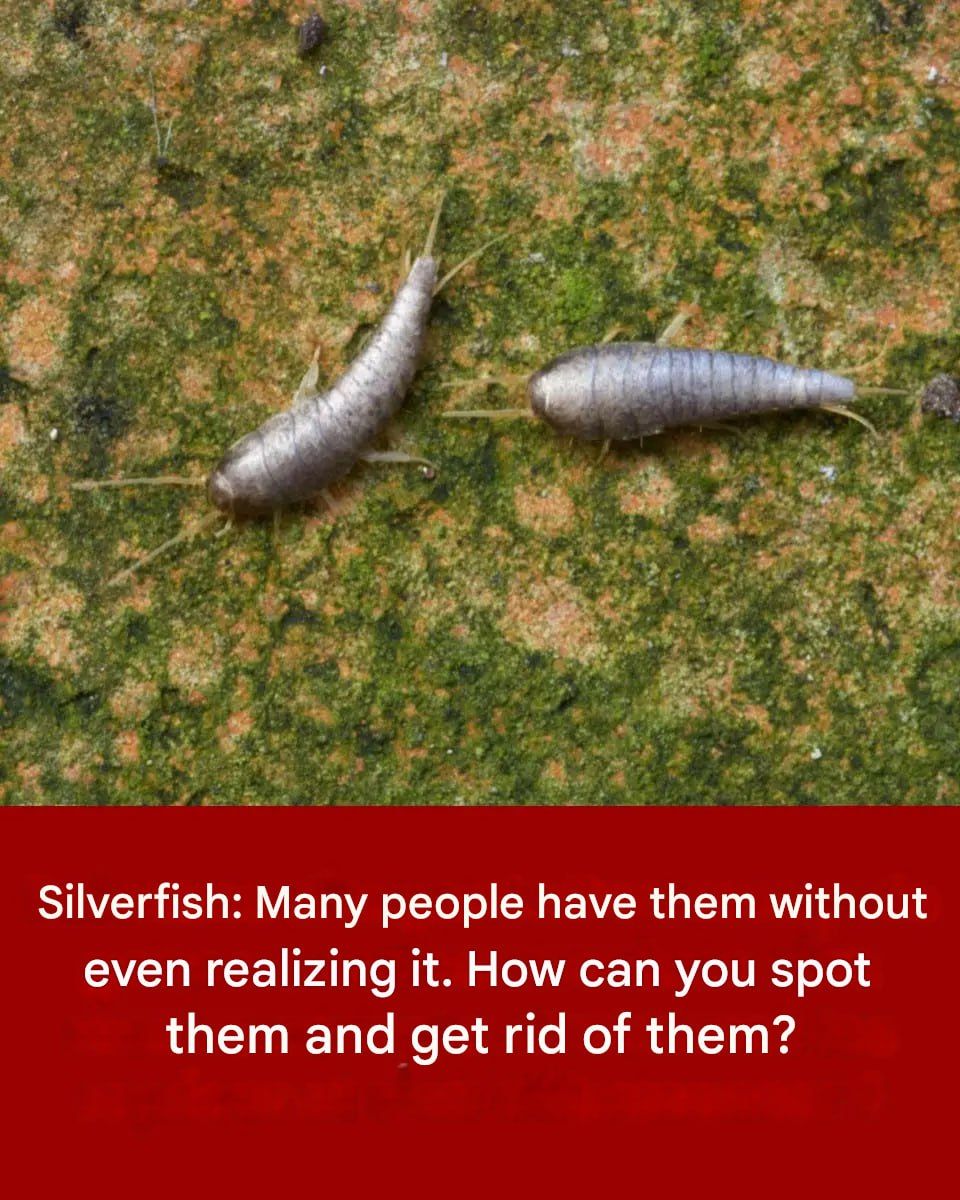
Have you spotted tiny, shiny creatures moving stealthily around your home? Discover the enigmatic origin of these insects and practical methods to eradicate them permanently.
Understanding silverfish: a brief explanation
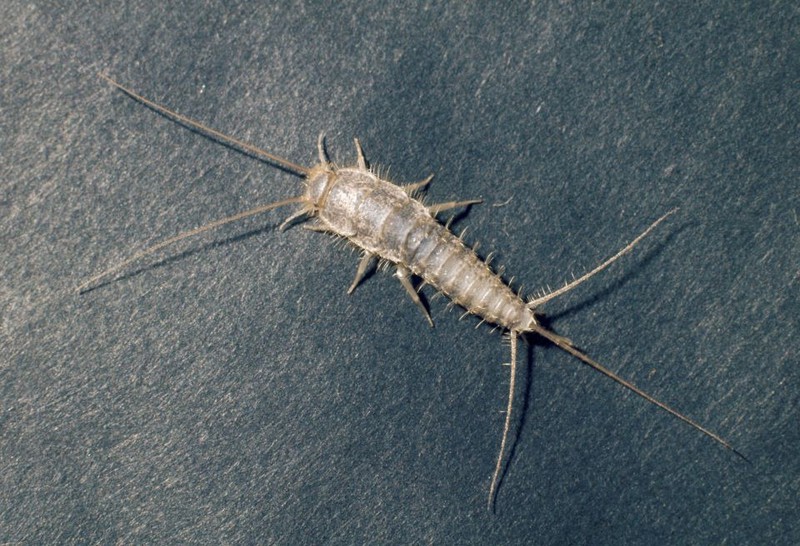
Silverfish, also known as silverfish, are tiny insects with shiny scales, measuring about 1 cm. Rather discreet, they prefer warm, humid places such as bathrooms, kitchens, or basements. Their favorite hiding places include cracks, grout, and wallpaper remnants. But why do these insects choose to make their home with you?
Their diet consists mainly of carbohydrate-rich materials such as dander, paper, and mold. Omnivorous, they also consume synthetic fibers and food crumbs. While not dangerous, their presence can become a nuisance.
The reasons behind an infestation: a favorable environment
- Humidity and heat
Silverfish thrive in areas with high humidity and temperatures between 20 and 30°C. If your bathrooms or kitchen lack ventilation, these little insects will feel right at home.
- Cracks and nooks
They find refuge in the smallest crevices in walls or floors. Defects in joints or pipes can serve as entry points for them.
- Food availability
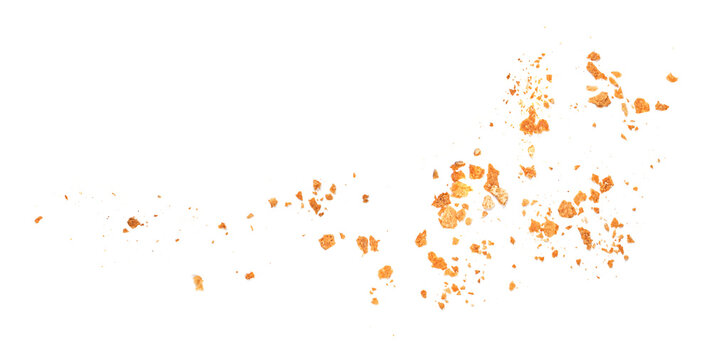
Crumbs, paper scraps, or even traces of mold are a feast for them. Maintaining impeccable hygiene is therefore essential.
Getting rid of silverfish: natural solutions
There’s no need to resort to harsh chemicals: a few home remedies are enough to keep them away.
- Sweetened baking soda bait
A mixture of baking soda and sugar placed near infested areas can effectively neutralize silverfish.
- Repulsive odors
Place bowls filled with vinegar, lemon, or lavender in the affected rooms. These scents will keep them away.
- Honey sticky traps
Apply honey to a piece of paper and leave it on the ground overnight. Attracted by the honey, the silverfish will get trapped.
- Use of the potato
Place half a potato on a plastic bag and leave it overnight. In the morning, the insects will be trapped.
Preventing their return: simple steps to adopt
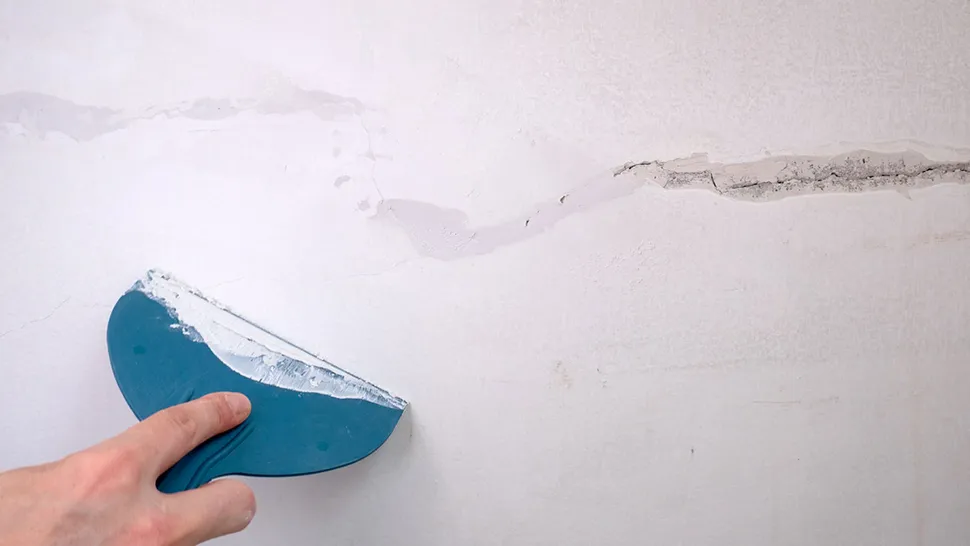
To prevent a new infestation, adopt these best practices:
- Ventilate rooms regularly to reduce humidity.
- Repair cracks in walls and joints.
- Clean frequently to remove hair and food crumbs.
- Empty the drain traps to prevent mold growth.
- Monitor heat sources and avoid overheating.
In conclusion
Thanks to these natural tips and preventative measures, you can easily say goodbye to silverfish. By maintaining a clean and well-ventilated environment, you make life difficult for them. Take action today to regain a healthy home free of unwanted visitors.