
What if snoring wasn’t so harmless? Behind this nighttime noise sometimes lie signals from the body… and simple solutions for getting back to more peaceful nights.
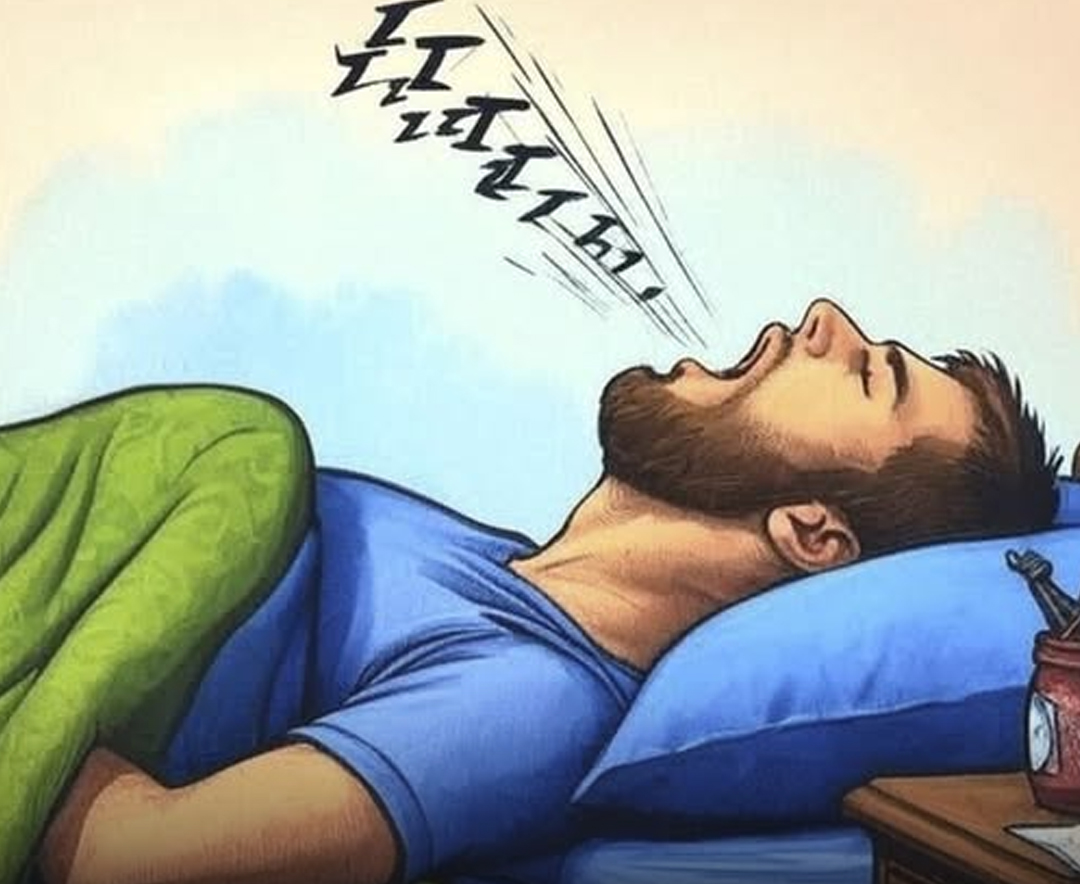
Did you think snoring was just a minor, almost trivial nighttime inconvenience? What if it was actually a signal your body is trying to send you? Behind this noise, often the subject of jokes, sometimes lies a more complex reality… and, above all, simple ways to improve your sleep. Ready to see your sleep differently?
Why do we really snore?
Snoring occurs when air flows less easily through the airways during sleep. As a result, the tissues vibrate and produce that characteristic noise.
This phenomenon can affect anyone at different times in their life. But when it becomes frequent, it deserves closer attention.
Because beyond the sound, it is often the quality of sleep that is impacted… without us even realizing it.
The most common causes of snoring
Do you feel like you’ve been snoring more lately? Several everyday factors can explain this.
The first, and often the most common, concerns weight. Increased pressure around the neck can impede air circulation during the night.
Sleeping position also plays a key role. Sleeping on your back promotes the relaxation of certain muscles, which can make breathing less fluid.
Other factors also come into play: nasal congestion, accumulated fatigue, or certain evening habits that disrupt the body’s natural relaxation, such as prolonged exposure to screens or irregular bedtimes.
What your body is trying to tell you
Snoring isn’t just about noise. It can also be a sign of less restful sleep.
Some people wake up tired, have trouble concentrating or feel a drop in energy during the day… without making the connection with their restless nights.
And of course, this can also affect those around you. Disrupted sleep for two people can quickly create tension, especially when fatigue sets in.
Simple steps to get back to calmer nights
Good news: in many cases, a few adjustments are enough to improve the situation.
Lying on your side is often an effective first step. This helps to open the airways and reduce vibrations.
Creating a soothing evening routine also helps a lot: going to bed at regular times, reducing screen time at least an hour before sleeping, and favouring a calm environment make all the difference.
Hydration also plays a vital role. Drinking enough throughout the day helps to keep airways clear.
The often underestimated role of the environment
We don’t always think about it, but the air quality in the bedroom can influence nighttime breathing.
Regularly ventilating the room, using a humidifier if the air is too dry, or choosing a pillow adapted to one’s body shape can improve respiratory comfort.
Proper head and neck support promotes smoother breathing… and therefore quieter nights.
When should we be more attentive?
In some cases, snoring may be accompanied by more pronounced signs: frequent awakenings, great fatigue upon waking or a feeling of poor sleep.
Without dramatizing, these signals simply invite us to pay more attention to our overall well-being and, if necessary, to seek advice from a healthcare professional.
The idea is not to worry, but to listen to your body with kindness.
A balance to be found on a daily basis
Snoring is often a reflection of a balance that needs adjusting: lifestyle, habits, sleep comfort…
By taking the time to identify what can be improved, it is entirely possible to regain more peaceful nights and wake up feeling refreshed.
Sometimes, simply paying attention to these small signals is enough to transform your nights… and rediscover the pleasure of restorative sleep .