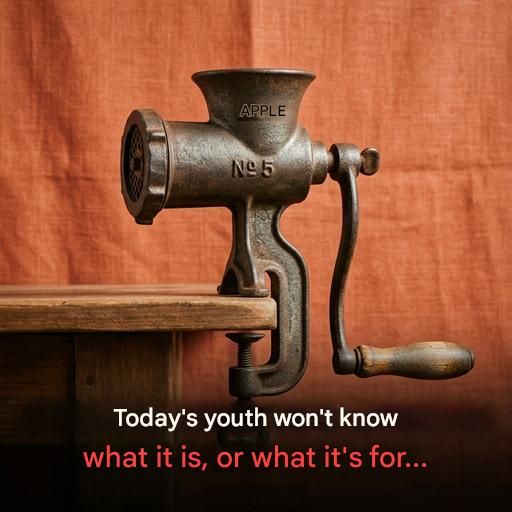
Have you ever come across an old object without knowing what it was used for? In flea markets or attics, we sometimes discover strange tools that were nevertheless part of everyday life in the past.
Have you ever found yourself standing in front of an old object without the slightest idea of its purpose? In flea markets, attics, or old family homes, you sometimes stumble upon strange, sturdy tools, often made of metal or wood, that seem to come from another era. Yet, each of these objects had a very specific function and was part of everyday life. Here is a selection of unusual antique objects … and their explanations.
The manual pliers
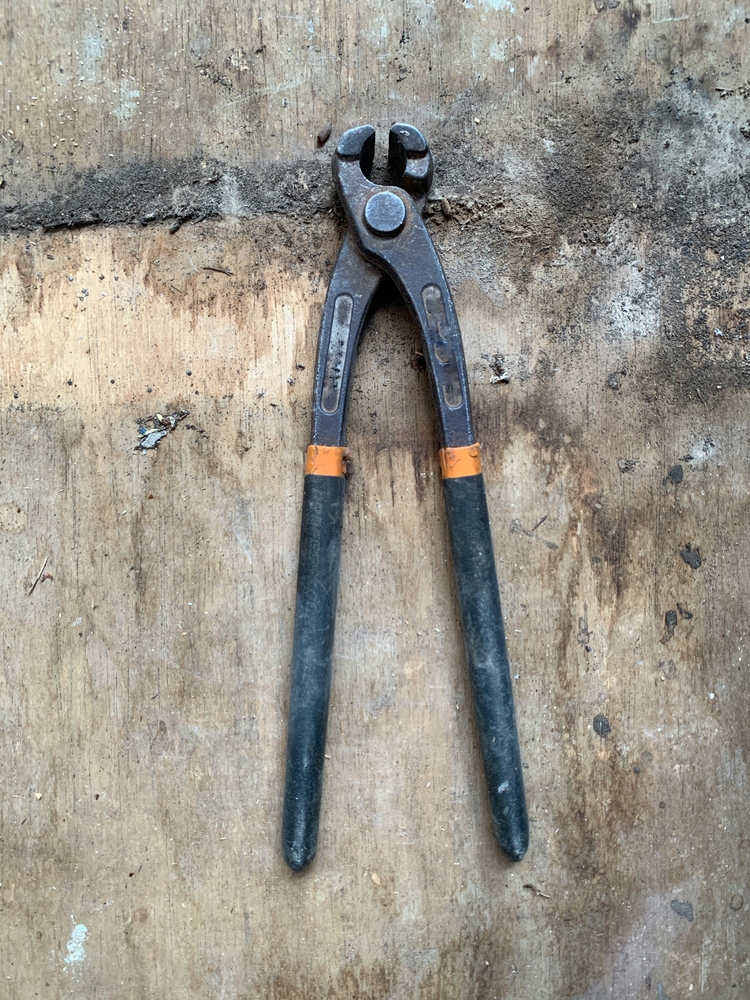
At first glance, this large metal clamp with wooden handles might seem imposing. Its rounded jaws leave a strong impression when squeezed. This tool was actually used in agriculture. It was used, among other things, to attach rings or securely close bags. Robust and reliable, it was indispensable on farms and in workshops.
The curved, crescent-shaped blade
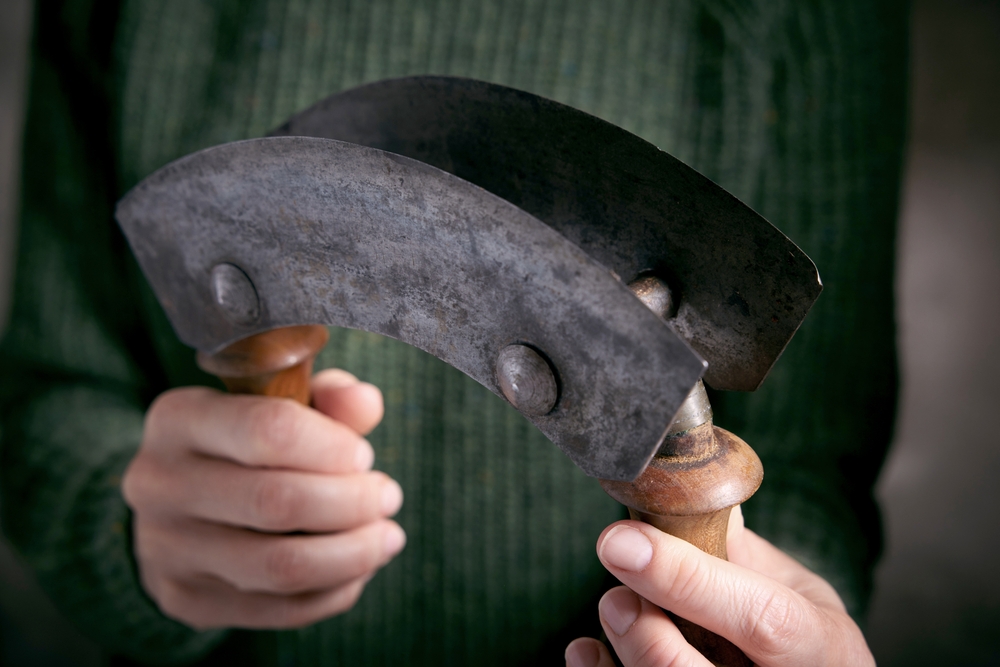
This crescent-shaped object with two handles might seem strange if you’ve never seen it in a kitchen. It’s actually a mezzaluna knife, a chopping knife. It’s used with a rocking motion to finely chop herbs, garlic, onions, or vegetables. It’s an old tool, but still appreciated by cooking enthusiasts today.
The wooden laundry roller
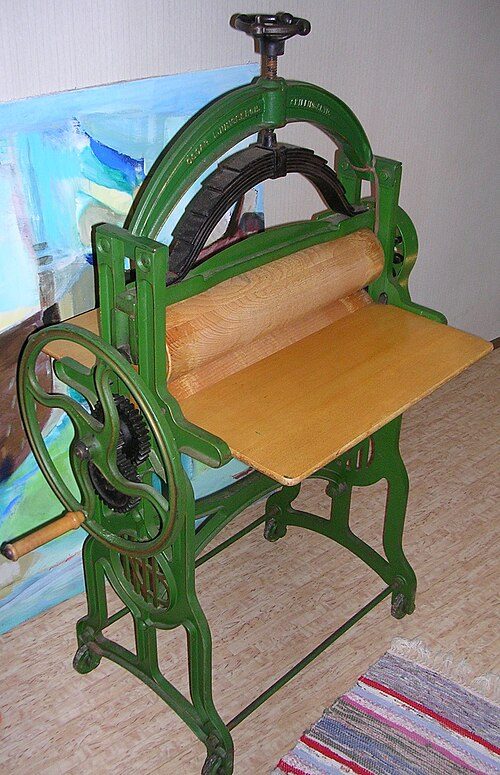
Before the invention of modern irons, a wooden roller was used to smooth fabrics. The laundry was wrapped around a cylinder, and then the tool was rolled to flatten the fabric. This technique required patience, but it produced a very smooth finish.
The glass tube with float
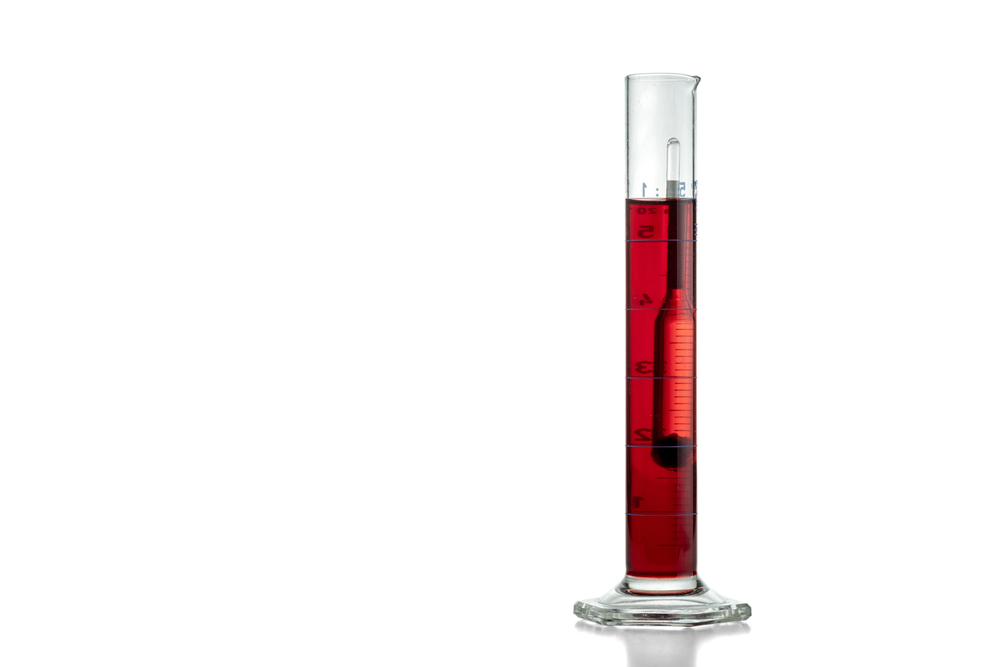
This long glass tube, resembling a laboratory instrument, is actually a hydrometer. It was used to measure the density of a liquid, particularly to check the sugar or alcohol content in certain homemade preparations. It was widely used in the production of artisanal beverages.
The crank box
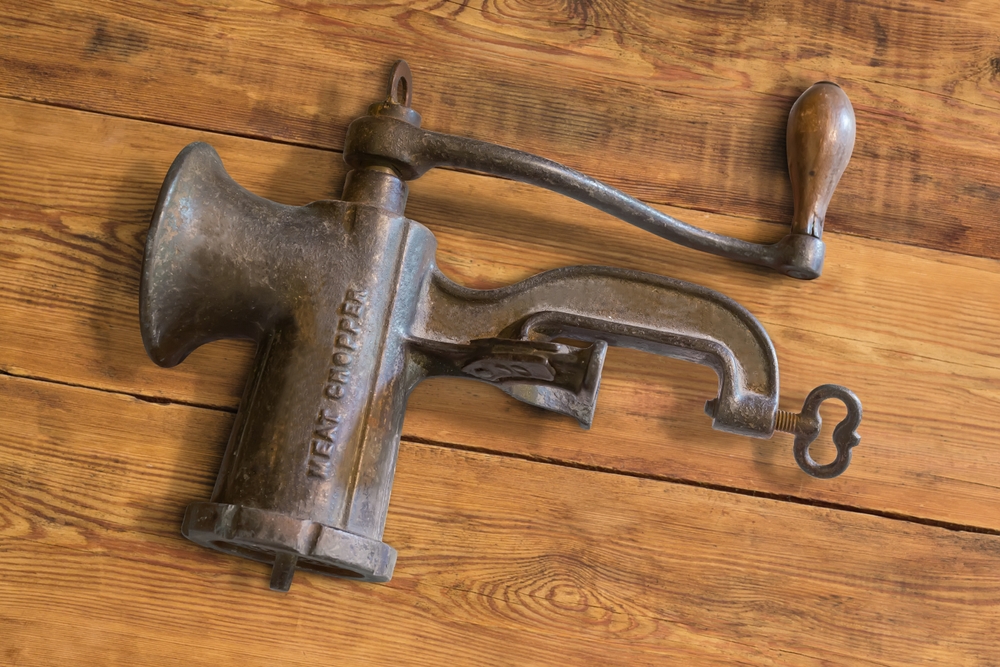
This small metal box with a crank was once very common in kitchens. It’s a manual meat grinder. You placed the food inside, then turned the crank to chop it finely. It was the ancestor of many modern kitchen appliances.
The metal iron
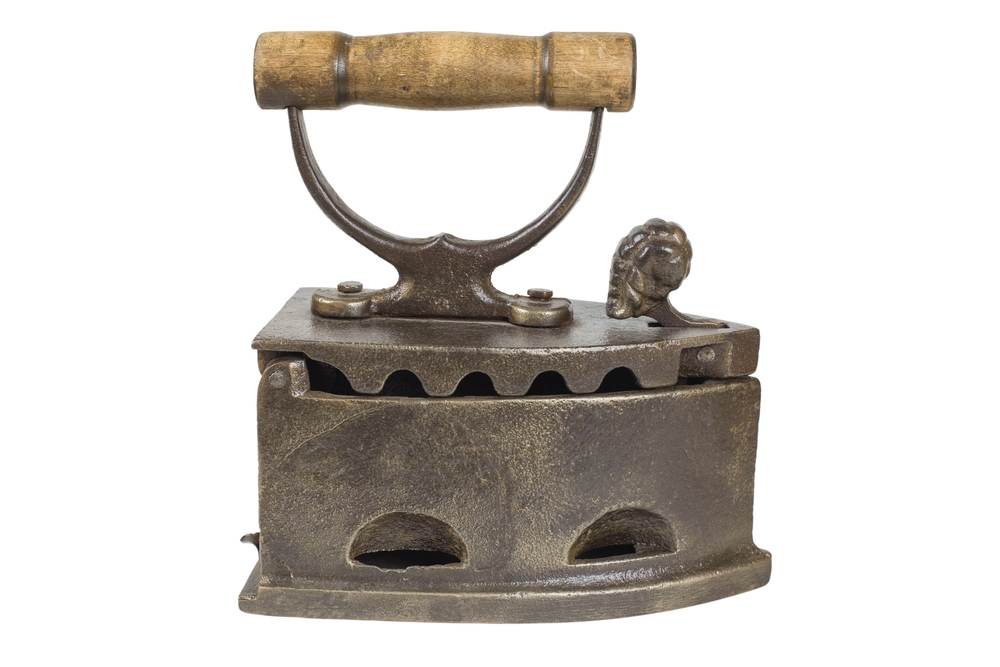
This heavy, shoe-shaped object with no opening was an old-fashioned iron. Before electricity, you heated this iron over a heat source before ironing clothes. Some models even had a compartment to retain heat longer.
The small decorative handheld tool
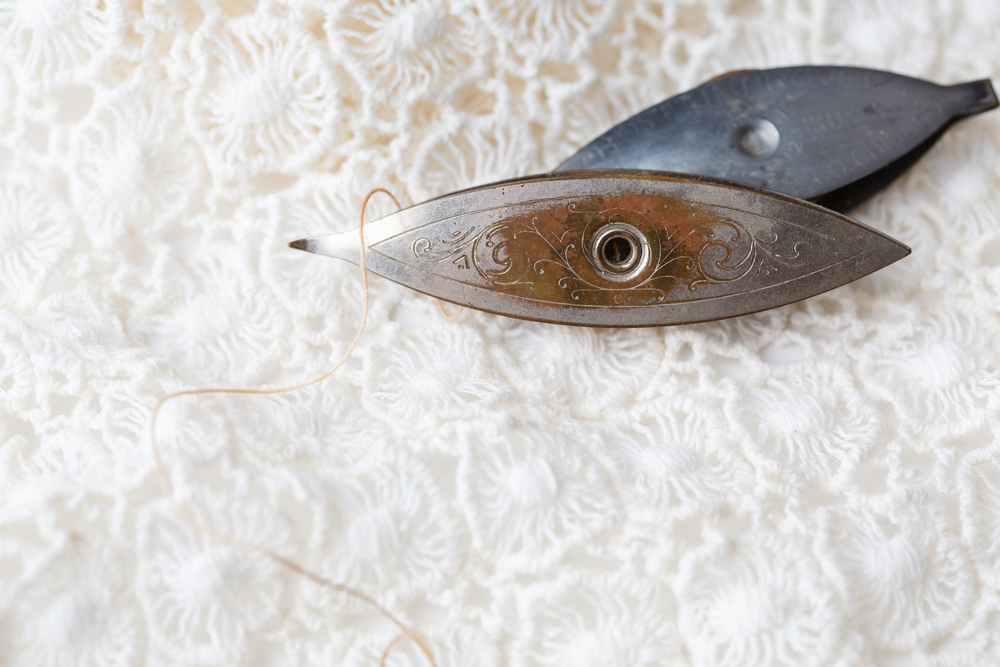
This small, toy-like object was actually a tatting shuttle. It was used to make lace or thread decorations. It was a tool used for sewing and textile crafts, which were very common in the past.
The bottle with two openings
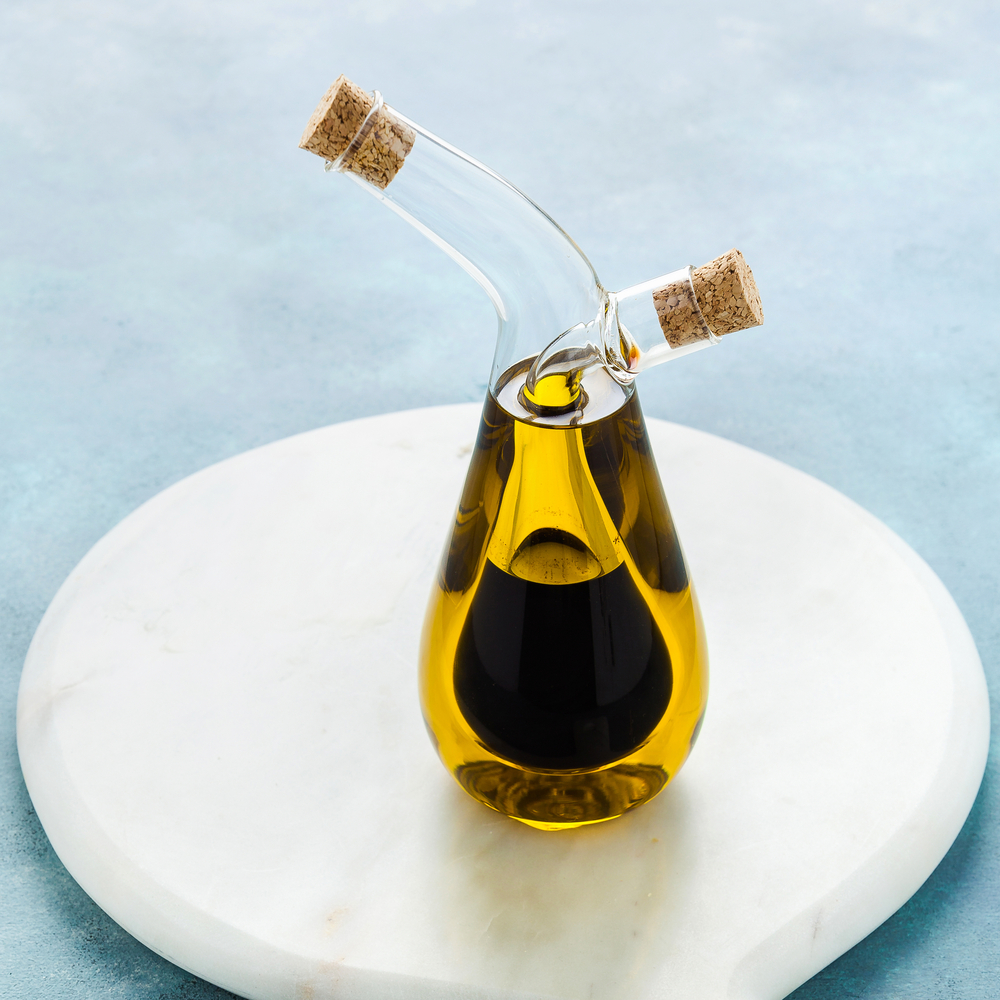
This elegant glass bottle with two spouts was generally used to hold two different liquids, most often oil and vinegar. It allowed for easy seasoning of dishes and was often part of the table decoration.
The screw vise
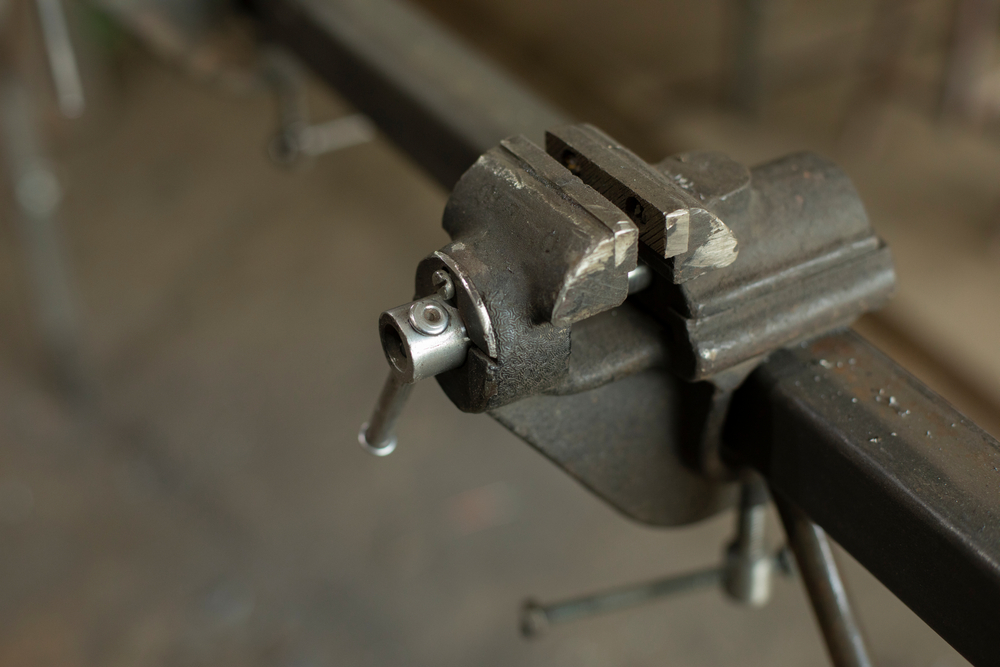
This metal tool that attaches to a table is a vise. It allowed a piece of wood or metal to be held firmly while being worked. It was an essential tool in woodworking and DIY workshops.
The wire device with springs
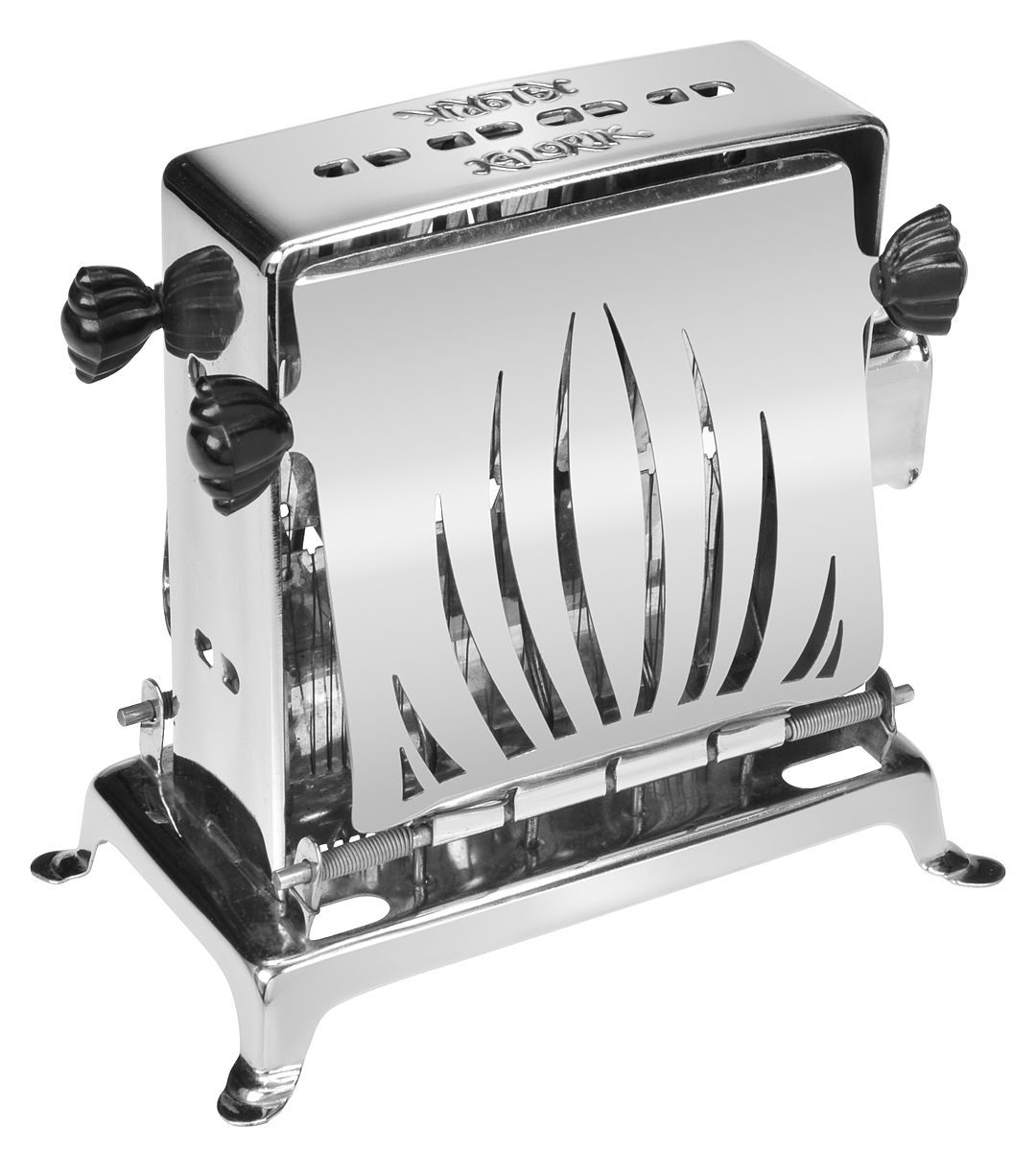
This small metal cage with springs was actually an old toaster. Slices of bread were placed inside and brought close to a heat source. The system allowed the bread to be held without getting burned.
The large ceramic pitcher with lid
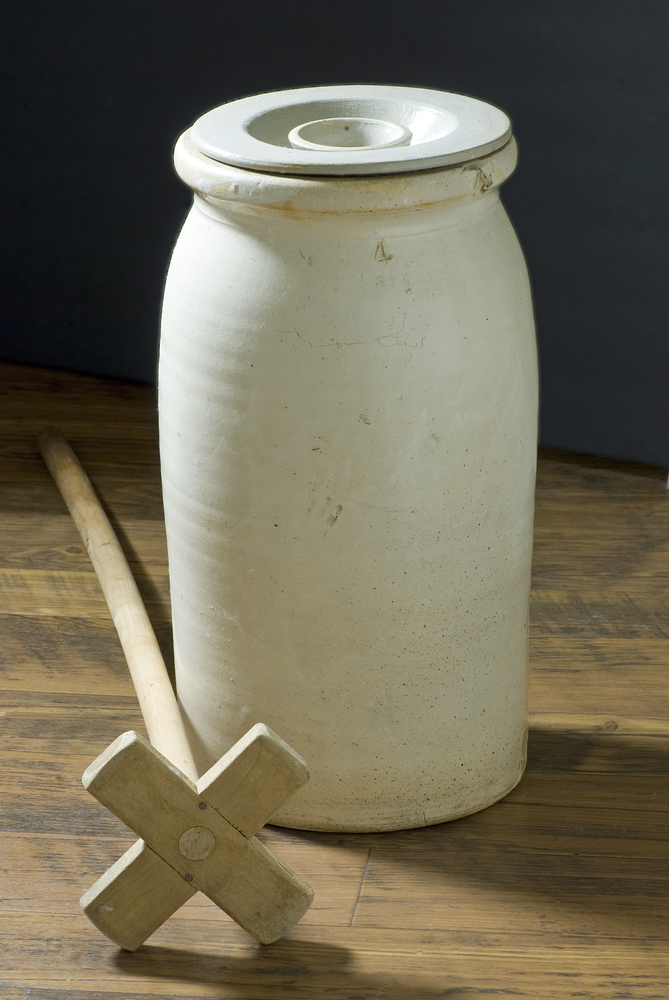
This large stoneware container was often used to store food or prepare certain homemade recipes. It could also be used to make and store preparations such as butter or other preserved foods.
These ancient objects show how ingenious previous generations were in making their daily lives easier with simple, sturdy and durable tools.