
How to Keep Drains Clear with Salt: A Simple, Effective Home Method
Clogged drains are one of the most common household problems, and they can quickly become frustrating if they keep coming back. Whether it’s your kitchen sink, bathroom sink, shower, or bathtub, slow drainage is often caused by a buildup of grease, soap residue, hair, and other debris. Fortunately, there’s a simple and affordable solution you can try at home using ingredients you likely already have: salt, baking powder, vinegar, and hot water.
This natural method is not only easy to use but also avoids harsh chemical cleaners that can damage your pipes over time. If clogging is a recurring issue in your home, using this technique regularly can help maintain smooth and efficient drainage.
Why Salt Works for Cleaning Drains
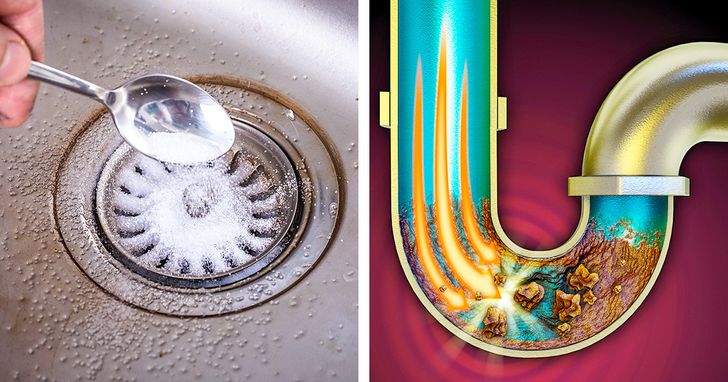
Salt plays an important role in breaking down greasy substances and emulsified fats that often stick to the inside of pipes. Over time, these substances accumulate and narrow the passage for water to flow through. When combined with baking powder and vinegar, salt becomes even more effective.
The baking powder helps loosen debris, while the vinegar creates a fizzy reaction that dislodges buildup. Finally, hot water flushes everything away, leaving your pipes cleaner and clearer. This combination works well for most household drains, including sinks, showers, and tubs.
What You’ll Need
To try this method, gather the following:
- Half a cup of salt
- Half a cup of baking powder
- Half a cup of vinegar
- About one and a half pints of boiling water
These simple ingredients work together to create a powerful cleaning reaction inside your pipes.
Step-by-Step Instructions
For best results, perform this cleaning routine just before going to bed. This allows the mixture to sit overnight and continue working without interruption.
- Pour the salt and baking powder into the drain
Start by adding the dry ingredients directly into the drain. This forms the base of the cleaning mixture. - Add the vinegar
Slowly pour the vinegar into the drain. You’ll immediately notice a fizzing reaction. This is normal and helps break apart debris stuck inside the pipes. Let the mixture sit and foam for about one minute. - Flush with boiling water
Carefully pour at least three pints of boiling water into the drain. This step helps wash away the loosened grease, grime, and other buildup. - Let it sit overnight
Avoid using the drain for the rest of the night so the solution can continue to work deep within the pipes.
How Often Should You Do This?
If your drains tend to clog frequently, you can repeat this process once a week as a preventive measure. For general maintenance, once every two to three weeks is usually enough to keep things running smoothly.
Additional Tips to Prevent Drain Clogs
While this salt-based method is effective, prevention is always better than dealing with a blockage later. Here are some simple habits that can help you avoid clogged drains altogether:
- Avoid pouring cooking oil down the drain
Grease and oil may seem harmless when liquid, but they solidify as they cool and stick to pipe walls. Instead, store used oil in a container and dispose of it in the trash. - Dispose of food waste properly
Items like coffee grounds, beans, and food scraps should never go down the drain. These can accumulate quickly and cause blockages. Throw them in the bin or compost them instead. - Use a drain strainer
Installing a simple strainer in your sink or shower can catch food particles, hair, and other debris before they enter the pipes. This small step can make a big difference. - Run hot water regularly
After using your sink, especially in the kitchen, run hot water for a few seconds to help wash away any leftover grease or residue.
Final Thoughts
Keeping your drains clear doesn’t have to be complicated or expensive. With a simple combination of salt, baking powder, vinegar, and hot water, you can maintain clean and efficient pipes without relying on harsh chemicals. By combining this method with good daily habits, you can reduce the risk of clogs and keep your home running smoothly.
Try this routine regularly, and you’ll likely notice a big improvement in how your drains perform.