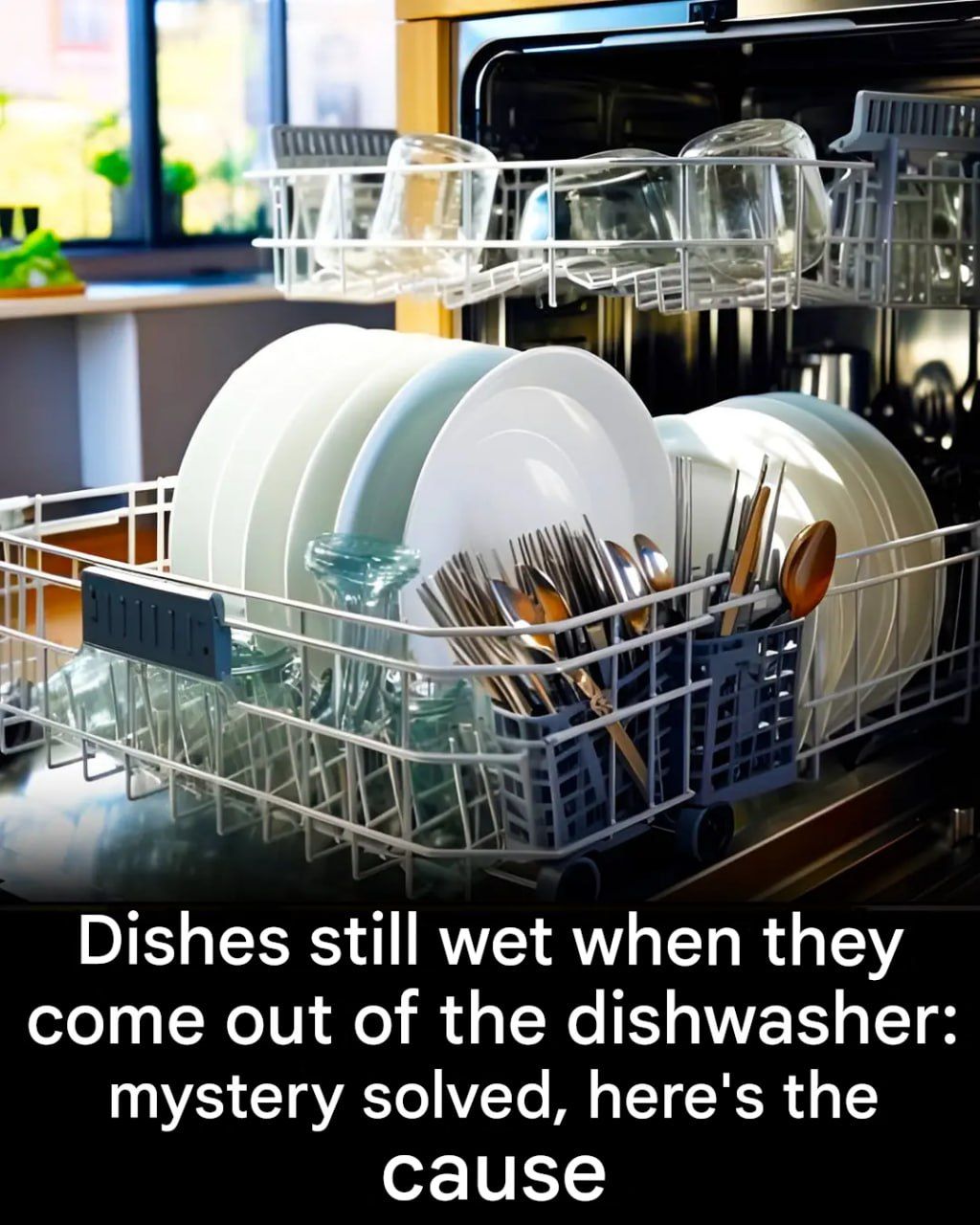
You thought your dishwasher had finished its job, but your plastic containers are still inexplicably soaking wet. Discover the scientific reason behind this annoying phenomenon and how to fix it!
Why do your plastic containers come out wet from the dishwasher?
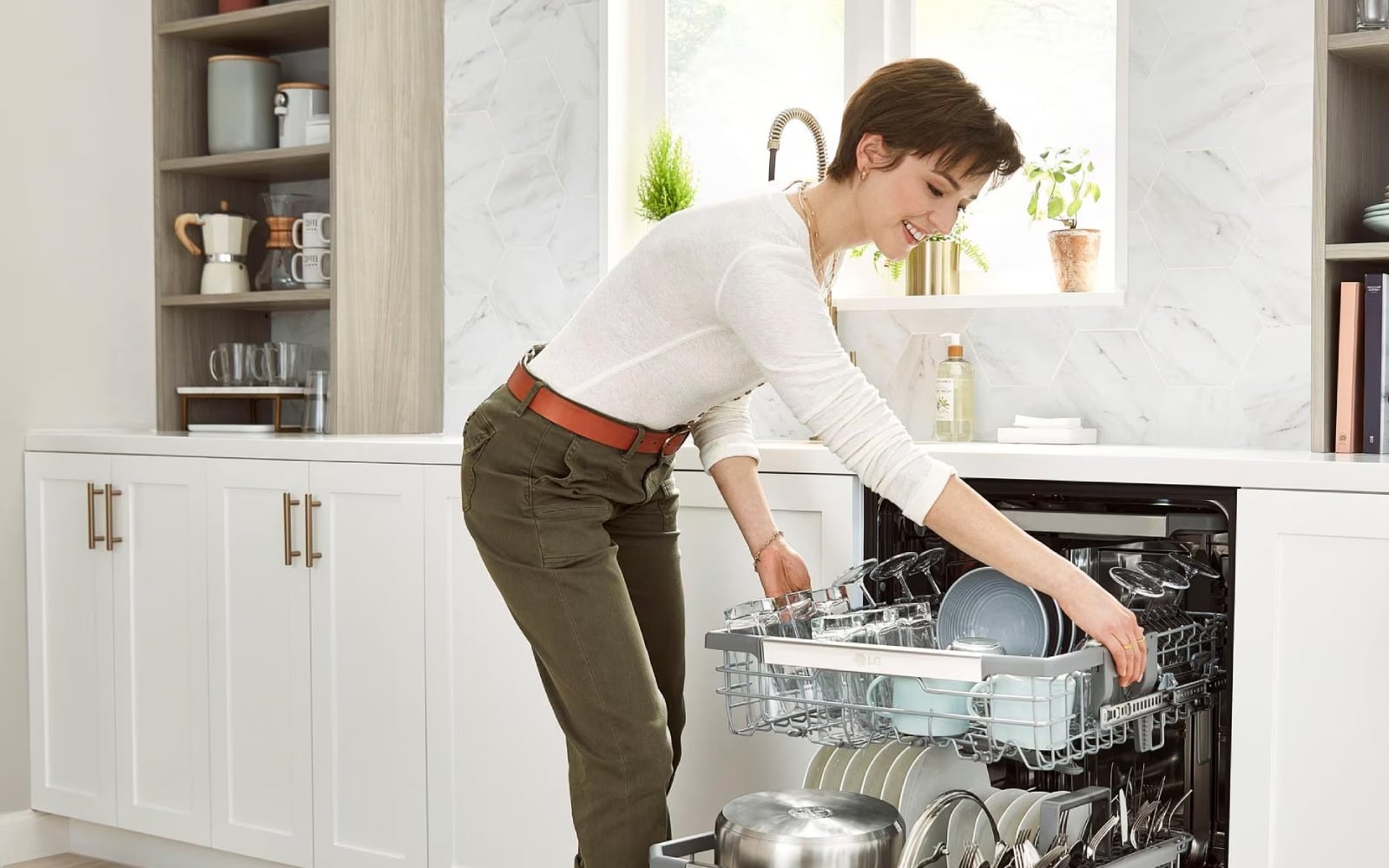
A familiar scene: your wash cycle has just finished. You open the dishwasher door with satisfaction. The glassware sparkles, the ceramic dishes are spotless… but what about your plastic containers ? They’re still dripping wet . This annoying situation affects the majority of users, regardless of the appliance model.
But what is the origin of this phenomenon? It all comes down to the intrinsic characteristics of plastic . Unlike materials such as porcelain or glass, which store heat , plastic has very specific thermal properties.
The scientific reasons behind this drying problem
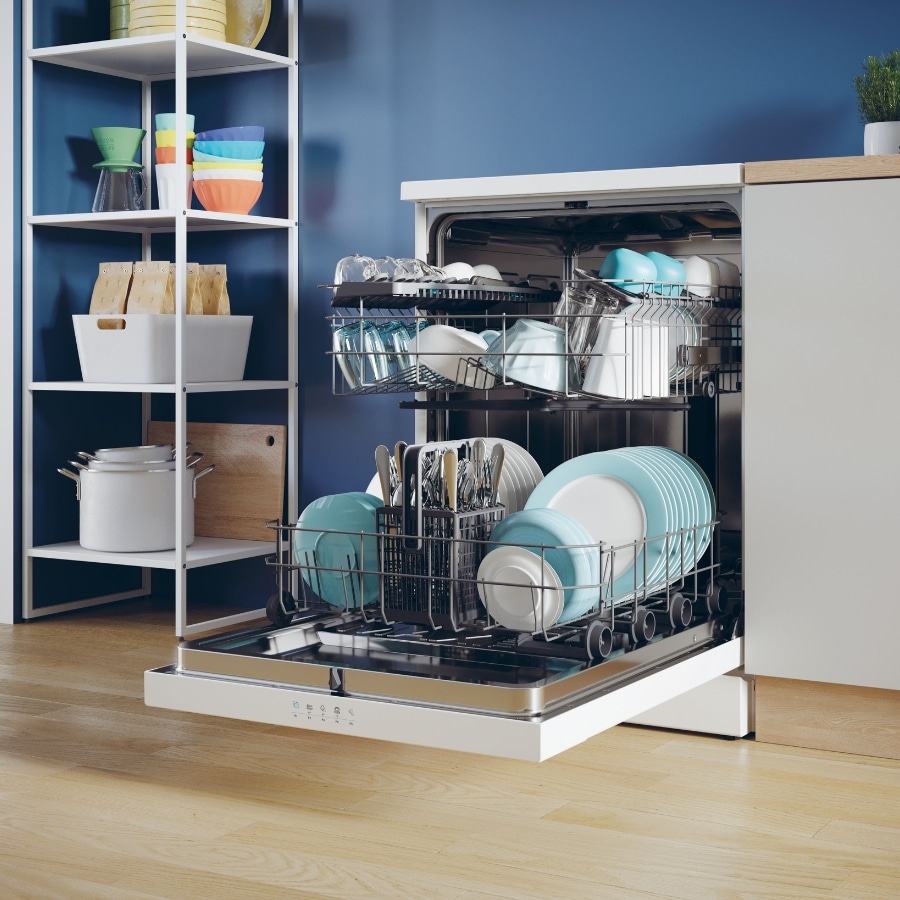
To solve this mystery, let’s examine the behavior of plastic when it comes into contact with water. This material has a hydrophobic nature , meaning it doesn’t bond with water molecules . Instead of forming a uniform film, the water gathers into micro-droplets that adhere to the surface.
Add to that its poor thermal conductivity . While ceramic retains its heat long after the cycle, plastic cools down almost instantly . This sudden drop in temperature abruptly halts the natural evaporation process.
It’s comparable to trying to dry a window in humid weather: the drops persist stubbornly .
Practical solutions for optimal drying
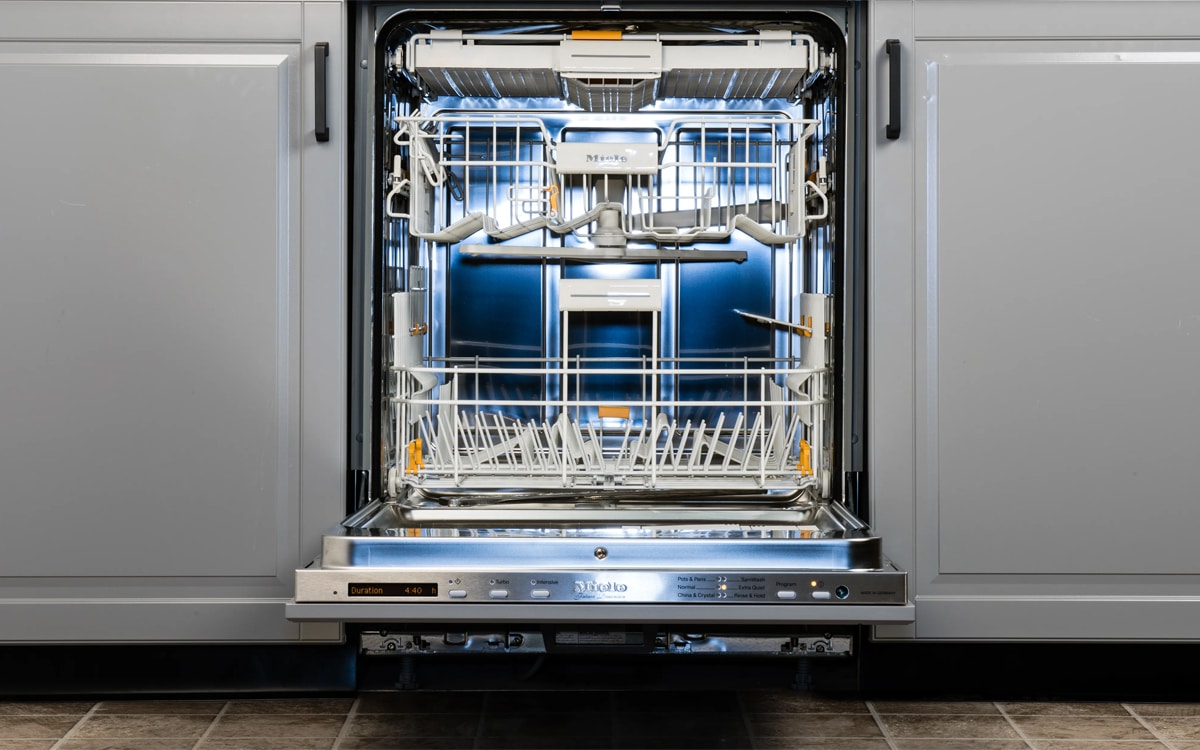
Fortunately, several techniques exist to overcome this characteristic of plastic. Here are three proven methods that will allow you to get your dishes completely dry :
- Open the appliance immediately after the cycle.
The residual steam trapped in the tub is a valuable ally. By slightly opening the door, you create a draft that accelerates the evaporation of the last droplets , including those on plastic. - Activate the enhanced drying function.
Recent models often include specific programs such as condensation or forced-air drying. These options, although more energy-intensive, offer significantly better results on plastics. - A final wipe.
Sometimes, the simplest solution is the best. A quick wipe with an absorbent cloth will remove any remaining traces of moisture. This extra step takes a few seconds but guarantees a perfect result .
Conclusion: Simple solutions to a common problem
While plastic isn’t ideal for automatic drying , these tips will help minimize the inconvenience . By combining rapid ventilation , appropriate programs , and possibly manual drying , you can say goodbye to damp containers.
No more getting frustrated with your soggy storage containers . Try these different approaches and choose the one that best fits your routine. You’ll be pleasantly surprised by the results!