According to NHS, Alzheimer’s is the most common cause of dementia in the UK. The exact cause of it is not fully understood, although medical professionals list potential factors that can lead to it, such as increasing age, untreated depression, a family history of the condition, and lifestyle factors and conditions related to cardiovascular diseases, among the rest.
Alzheimer’s is a “brain condition that slowly damages your memory, thinking, learning and organizing skills. It’s the most common cause of dementia. Symptoms usually first appear in people older than 65,” the Cleveland Clinic notes.
“People with memory loss or other Alzheimer’s symptoms may have difficulty recognizing changes in their own mind and body. These signs may be more obvious to loved ones,” the clinic’s website explains.
While this disease affects everyone differently, common symptoms are weakened or complete elimination of memory, reasoning, language, personality and behavior, and spatial understanding.
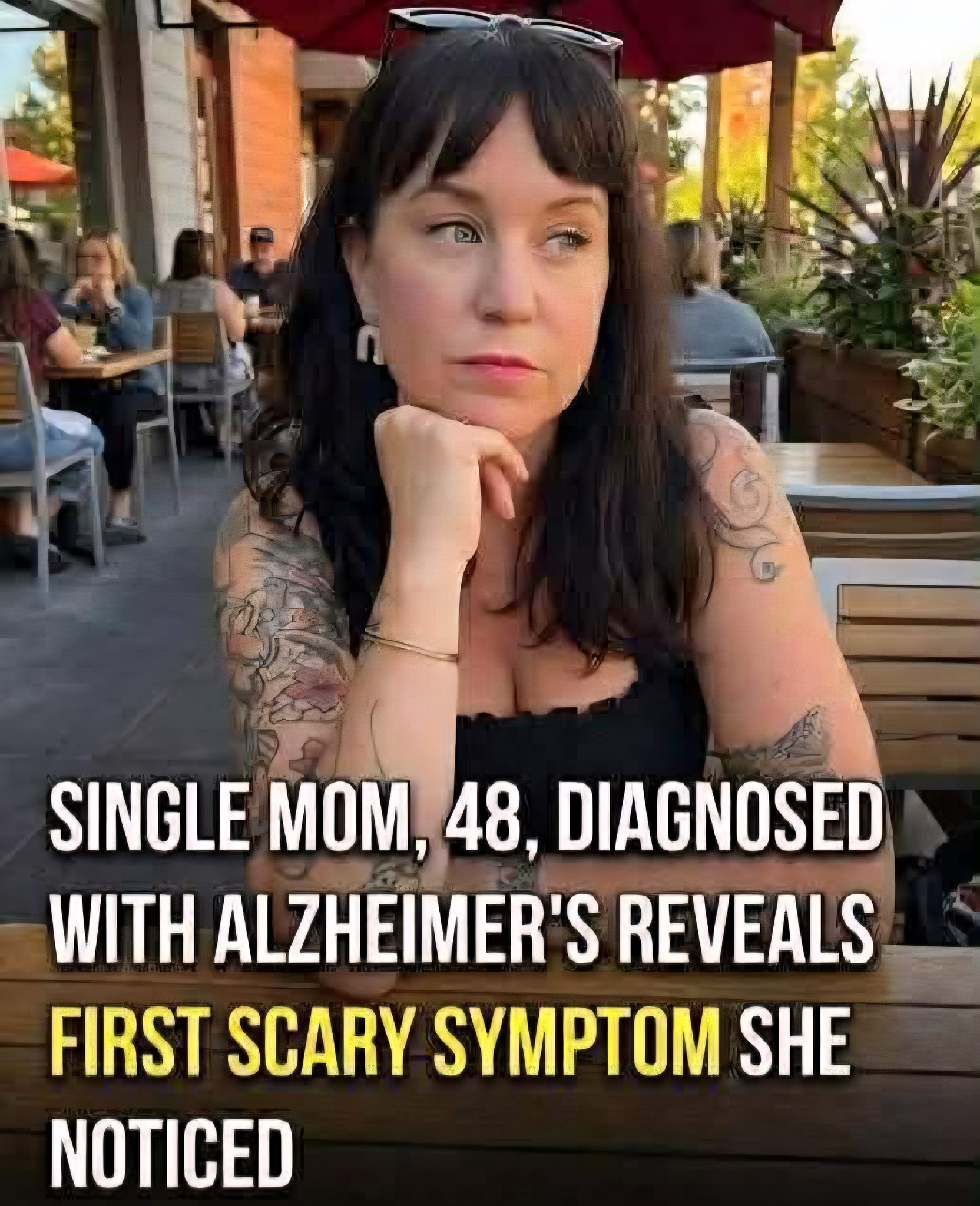
Staci Marklin, a mother-of-one from Knoxville, Tennessee, shares her journey with early-onset Alzheimer’s and the first symptoms she experienced.
Namely, Marklin first noticed switching words around at the age of 47 but brushed it off believing it was due to being just a busy mom to a toddler. Speaking to Uniland, she recalled saying things like, “move the carpet,” instead of “move the curtain.”
“There would be times when things would just disappear from my brain. Someone once asked me about a co-worker, and I had absolutely no idea who they were talking about. I could tell it was someone I should know by the way they were talking. It was a few days later when I realized it was a co-worker that I had worked really closely with.”
Marklin decided to consult with a doctor due to the fact that her grandmother also suffered from the disease. She was then told that although it’s rae for someone her age to have Alzheimer’s, it’s not impossible.
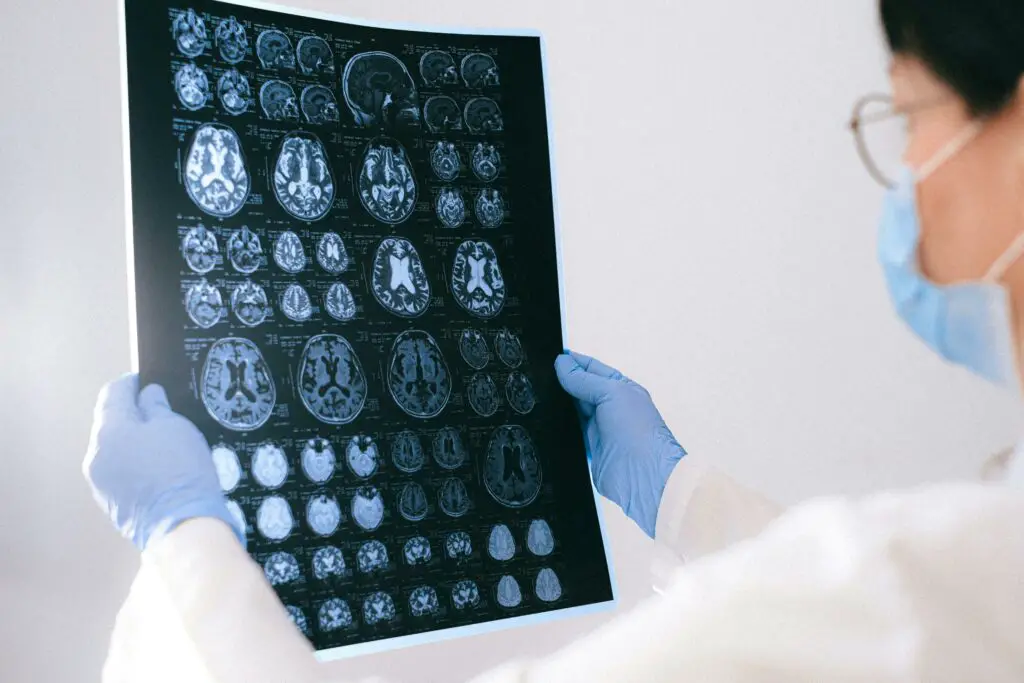
In 2024, she was diagnosed with the disease after an amyloid PET scan revealed amyloid plaques in her brain.

Marklin and her family were well-aware that the diagnosis would change their lives, but Marklin accepted it and she’s very open about it, sharing her journey with her TikTok followers.
“People generally see this as an older person’s disease and view people with Alzheimer’s as if they can’t do anything for themselves,” she said. “It was difficult for me to get people to believe me and to trust the results I had gotten.”
What makes Staci Marklin’s story hit so sharp is the fact that everything sounded normal at first. We’ve all been there, haven’t we? You are tired, juggling a career, have a kid with about a million times more energy than you have, you are running around and make sure everything is just fine. And then you just mispronounce a word, or say something else instead of what you wanted initially, and you just laugh at it and brush it of, not realizing it could mean something serious or something you should be worried about.
But that’s exactly the trap of early-onset Alzheimer’s.
In Marklin’s case, the signs were linguistic. The brain is a massive, high-speed switchboard. To say a simple sentence, your brain has to navigate complex networks to retrieve the right “files.” Alzheimer’s acts like a vandal in that switchboard, cutting wires at random.

Why younger people are misdiagnosed?
Perhaps one of the greatest hurdles in patients under 50 is the “Dismissal Phase.”
The reason for this is that since early-onset or “younger-onset” Alzheimer’s is less common, people and their physicians are inclined to seek any possible explanation for their condition rather than even considering it could Alzheimer’s.
According to the Alzheimer’s Association, early signs of Alzheimer’s in younger patients do not necessarily resemble the “classic” memory loss experienced by the elderly. Rather, the signs and symptoms of Alzheimer’s disease in early onset patients appear as:
Aphasia: Having trouble finding the right words and using incorrect words.
Executive Dysfunction: Having trouble planning and organizing tasks that were once automatic.
Spatial Confusion: Having trouble judging distances and losing their way in familiar areas.
Given that these symptoms are similar to the effects of chronic stress, perimenopause, or depression, many women in their 40s have spent years being told they need “more sleep” or “less coffee.” This is a dangerous delay.
For Marklin, the defining moment was her family’s history. Her grandmother had gone through this same “fog,” and this was the only thing that gave Staci the courage to fight back against the “you’re too young” argument.

In 2024, Marklin had an amyloid PET scan. To understand the severity of this, you have to understand what this scan is actually detecting. Our brain naturally produces a protein called beta-amyloid. Normally, this is broken down and washed away. However, for a brain suffering from Alzheimer’s, this protein actually turns to “plaques,” sitting in between brain cells and actually “choking” the brain’s communication with itself, Dementias Platform UK explains.
When Marklin’s scan came back positive for these plaques, the “mom-brain” excuse evaporated.
When an 85-year-old patient is diagnosed, society expects them to gradually withdraw from public life. But when you’re 47, you still have a child to raise, a mortgage to pay, a digital footprint to maintain. Marklin’s choice to take her journey to TikTok wasn’t just to document her life, but a bold statement of visibility.
The National Health Service (NHS) explains that while the disease is progressive, life doesn’t stop overnight. Early diagnosis allows for lifestyle adjustments that can support cognitive “reserve.” This includes:
Cardiovascular Management: ‘What’s good for the heart is good for the brain.’
Social Engagement: Being socially engaged can help create new ‘paths’ in the brain to compensate for damaged areas.
Mental Stimulation: Learning new skills and staying mentally challenged can slow down the perceived effects of the decline.
The legal and medical systems are not always equipped to handle patients in their 40s. How do you tell a toddler that Mommy’s brain is “changing”? How do you prepare a future that is being erased one word at a time?

Marklin’s openness is a bridge to the thousands of people currently “waiting” to see a physician because they think they are “too young” to have their symptoms taken seriously. Stories like that of Marklin shift the paradigm on Alzheimer’s from a “death sentence for the elderly” to a “chronic condition for the young.”
It begins with a word. A curtain becoming a carpet. A colleague becoming a stranger. But as Marklin’s case illustrates, the end of the word is merely the beginning of a new, much tougher kind of heroism.
As research into treatments targeting amyloid deposits goes forward, stories of people like Marklin are crucial. They help the medical world remember that behind every PET scan, behind every “factor,” is a mother, a worker, a human being who is still very much present, fighting to keep the lights on for as long as possible.
*Medical Disclaimer: This content is for informational purposes only and does not constitute medical advice, diagnosis, or treatment. Always consult a qualified healthcare professional regarding Alzheimer’s disease or any medical concerns. Never ignore or delay professional advice based on this information.