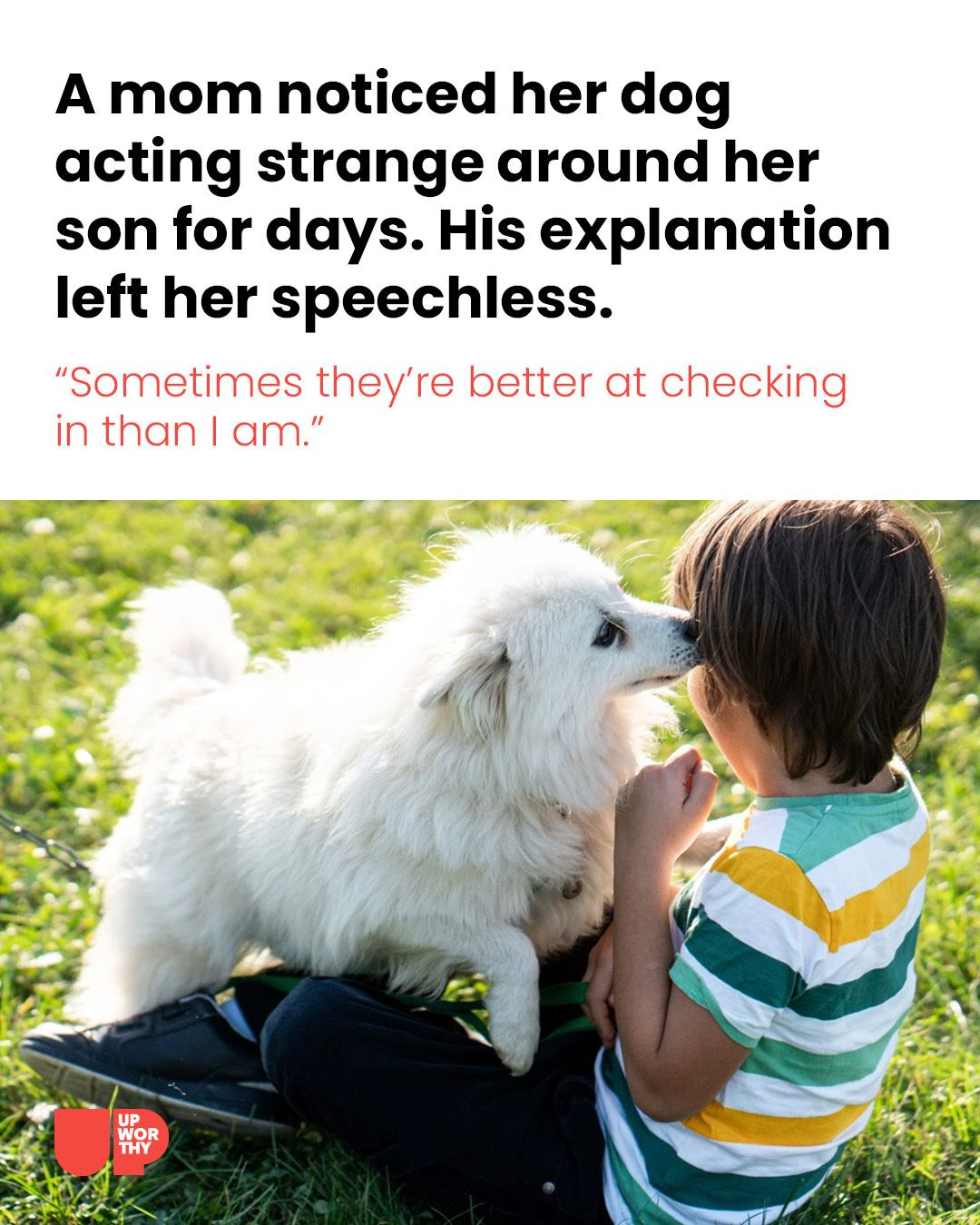
“Sometimes they’re better at checking in than I am.”
Annie noticed her dog acting strange on a Saturday and spent the better part of the weekend trying to figure out what was wrong with him.
The dog had become completely fixated on her son, following him from room to room, nudging him, hovering nearby. “Like Velcro,” as Annie, who posts on Threads as @annie.wade00, put it. She ran through the usual checklist: was he limping? Off his food? Showing any signs of pain? Nothing. He seemed physically fine. He just wouldn’t leave her son alone. “I thought the dog was sick or something was wrong with him,” she wrote in a post that has since racked up more than 21,000 likes, comments and shares.
After a few days of watching the behavior continue, she finally asked her son if he had noticed the dog “acting weird.” That’s when the real story came out.
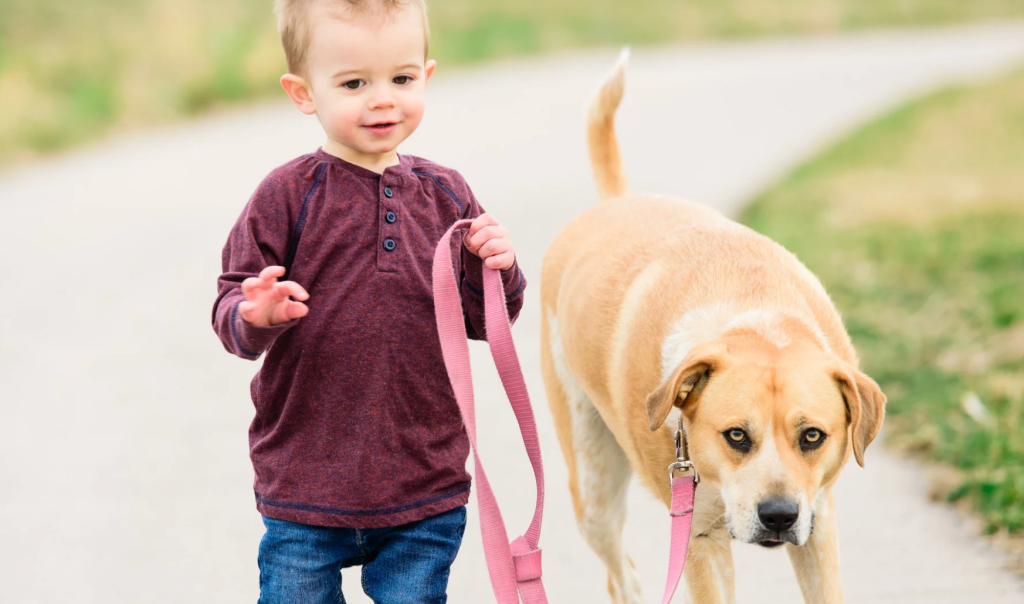
Her son told her he had been under serious stress about an upcoming school presentation. He’d been losing sleep, replaying worst-case scenarios, dreading the moment he’d have to stand up in front of his classmates. He hadn’t said much about it to anyone. The dog, it turned out, had been responding to something her son had been quietly carrying for days.
“Now my son says having the dog nearby actually helps him feel calmer,” Annie wrote. “Animals pick up on things we don’t talk about. Sometimes they’re better at checking in than I am.”

The story landed because so many people recognized it. In the comments, readers shared their own versions. One person described how their dog, Snoopy, grabbed a sock and hid under the bed the morning they were scheduled for cancer surgery. He had never stolen a sock before, and never did it again. “He knew I was anxious that morning and was trying to keep me home,” they wrote.
As Newsweek reported, animal behavior expert Kate LaSala said none of this is really surprising from a scientific standpoint. “Dogs are also very attuned to routines and our own emotions,” LaSala said. “They have evolved to be especially good at reading our body language, much better than we are at reading theirs.” Stress and disrupted sleep both alter a person’s scent, their body language, and their daily patterns, and dogs register all of it. Research published in the journal Biology Letters backs this up, finding that dogs can integrate visual and auditory cues to identify emotional states in both humans and other dogs, an ability researchers described as previously known only in humans.