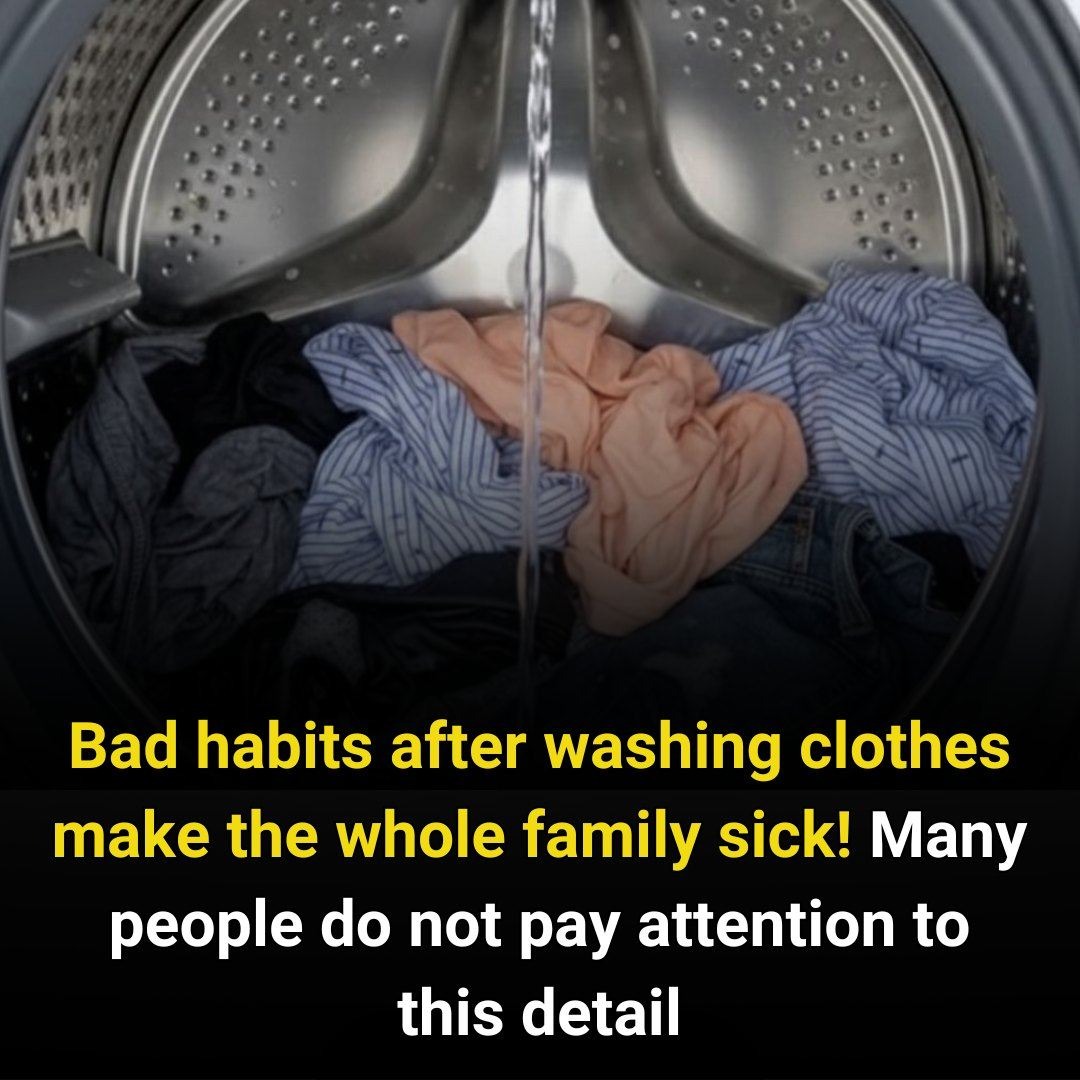
Many people think that once clothes are washed, they are completely clean and safe. But the truth is that some bad habits after washing clothes can allow bacteria, mold, and fungi to grow, which may affect the health of everyone in the house. Small mistakes in drying, storing, or handling laundry can lead to respiratory problems, allergies, skin irritation, and unpleasant odors.
Below are the most common laundry mistakes that can silently harm your family’s health.
1. Leaving Wet Clothes Inside the Washing Machine
One of the worst habits is forgetting wet clothes in the washing machine for hours.
When clothes stay damp in a closed machine:
Bacteria and mold start to grow quickly
Clothes develop a musty smell
Microbes can remain on fabrics even after drying
Over time, the washing machine itself can also develop biofilm layers of bacteria and fungi, which contaminate future loads of laundry.
Tip:
Always remove clothes immediately after the wash cycle ends.
2. Drying Clothes Indoors Without Ventilation
Many families dry clothes inside the house, especially in winter. But doing this without ventilation can cause serious problems.
Wet laundry releases moisture into the air — sometimes up to 2 liters of water per load. This increases humidity in the home and encourages mold growth.
Mold spores in the air can cause:
Coughing
Asthma attacks
Allergies
Lung irritation
Children, elderly people, and people with weak immune systems are especially at risk.
Tip:
Dry clothes outdoors or open windows to allow airflow.
3. Overloading the Washing Machine
Putting too many clothes in one load might save time, but it actually prevents proper cleaning.
When the drum is too full:
Water and detergent cannot circulate properly
Dirt and bacteria remain in the fabric
Clothes may smell bad after drying
Tip:
Fill the machine only about three-quarters full.
4. Using Too Much Detergent
Continued on next page:4. Using Too Much Detergent
Many people think more detergent means cleaner clothes — but the opposite can happen.
Excess detergent can:
Leave residue on fabric
Trap dirt and bacteria
Cause skin irritation and allergies
Soap buildup can also encourage microbial growth in the washing machine.
5. Not Cleaning the Washing Machine
A washing machine is supposed to clean clothes, but it can also become dirty itself.
Moist environments inside the machine allow:
Mold
Bacteria
Fungal growth
These microbes can then transfer onto your clothes during washing.
Tip:
Clean the washing machine at least once a month using hot water and vinegar or a machine cleaner.
6. Storing Clothes Before They Are Fully Dry
Putting slightly damp clothes in closets or drawers is another common mistake.
This can lead to:
Mold growth
Bad odors
Bacteria spreading to other clothes
Even clean clothes can become contaminated if stored in a humid space.
Healthy Laundry Habits for a Safe Home
To protect your family:
✔ Remove clothes immediately after washing
✔ Dry clothes in a ventilated area or outdoors
✔ Clean your washing machine regularly
✔ Use the correct amount of detergent
✔ Never store damp clothes
Simple habits like these can prevent mold, bacteria, and health problems in your home.
✅ Conclusion
Laundry may seem like a simple household task, but doing it incorrectly can create hidden health risks. By avoiding these bad habits and maintaining good laundry hygiene, you can keep your clothes — and your family — clean, fresh, and healthy.