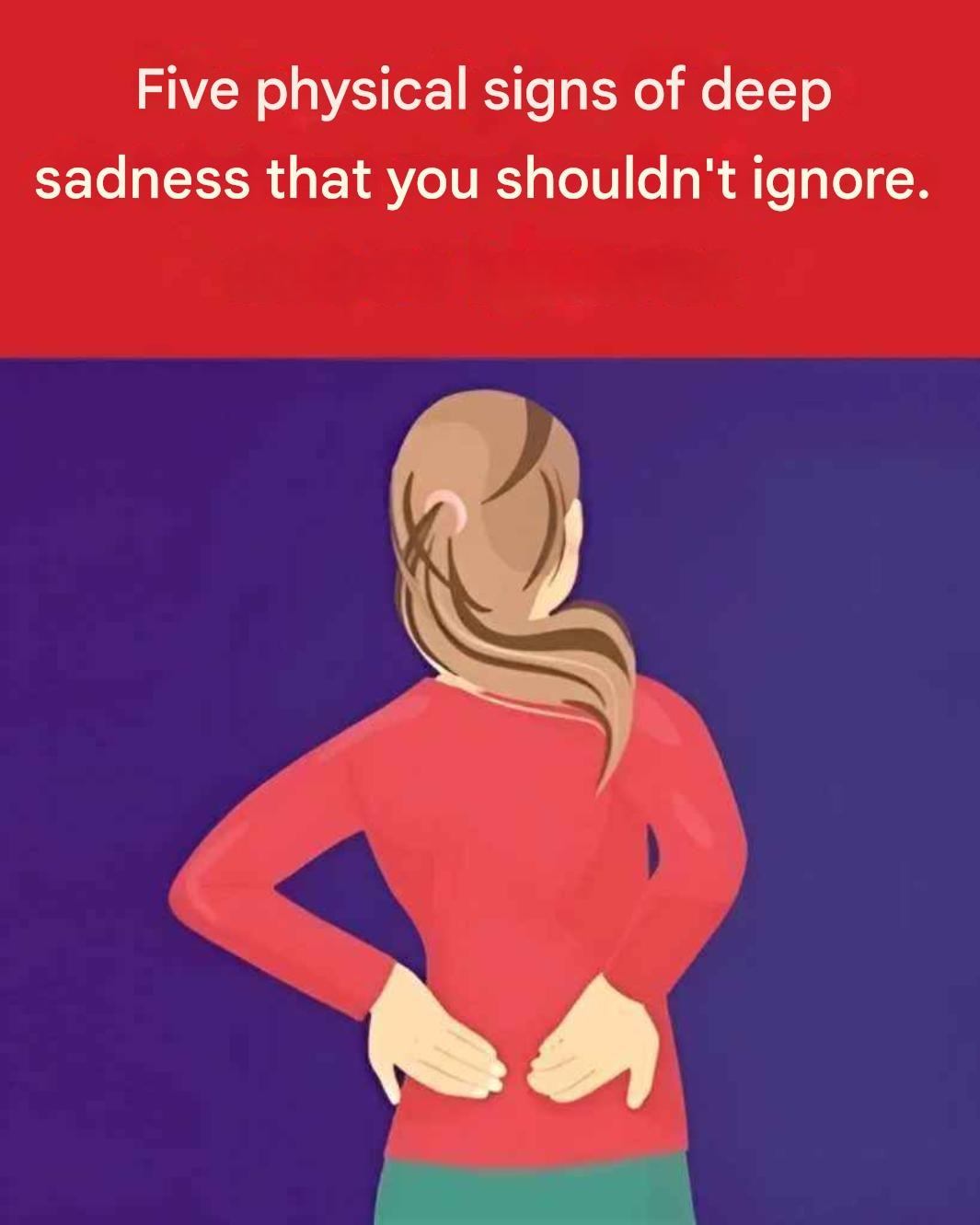
When sadness intensifies, our body becomes the silent messenger of our suffering. Long before the mind is aware of it, it expresses through physical signs what words cannot always convey.
Unusual fatigue, diffuse aches and pains, disrupted sleep… These signs are not insignificant: they often reflect repressed emotional suffering.
Sadness, an emotion expressed through the body.
Far from being merely psychological, sadness has a real impact on the body. It acts like a slow wave, altering rhythm, posture, breathing, and even facial expressions.
These often unconscious changes are the body’s way of revealing an imbalance.
Irritability and emotional hypersensitivity:
When sadness becomes overwhelming, every interaction feels burdensome.
Trivial conversations seem pointless, humor loses its effectiveness, and the slightest comment can wound.
The body then finds itself in a constant state of alert, like a hypersensitive antenna.
Why? Because the brain, overwhelmed by emotions, loses its ability to filter or manage external stimuli.
Persistent fatigue despite rest.
Even after sleeping through the night, you may feel profoundly exhausted.
This tiredness isn’t due to lack of sleep, but rather to the energy expended dealing with emotional pain.
This is a warning sign: your body is becoming depleted trying to regain its balance.
Sadness also affects cognitive function.
Words become scarce, conversations become a struggle, and thinking slows down. Why? The mind, focused on managing emotions, dedicates less energy to intellectual functions.
This slowing down is a form of internal conservation, an attempt by the body to protect itself.
Back pain and physical tension.
Pain in the lower back, neck, or shoulders can reveal repressed sadness.
The back, the body’s main support structure, is often where emotional tension accumulates. Why? Because negative emotions cause involuntary muscle contractions, which over time translate into real physical pain.
Interrupted sleep.
Sadness impairs the quality of rest:
Some people have difficulty falling asleep, overwhelmed by their thoughts.
Others sleep too much, but still wake up tired. Why? Anxiety and rumination disrupt the natural sleep cycle, preventing the body from fully recovering.
How to Calm Your Body and Mind
To alleviate this physical sadness, it’s important not to ignore these signs. Here are some simple yet powerful steps: Express your emotions: Talking, writing, or consulting with a professional can ease the inner burden. Move: Walking, practicing yoga, or dancing releases tension and promotes the production of endorphins, the feel-good hormones. Take care of your sleep: Create a relaxing bedtime ritual (dim light, slow breathing, no screens). Practice gratitude and mindfulness: Notice the small joys of everyday life, even the simplest ones. They will help you regain mental clarity.