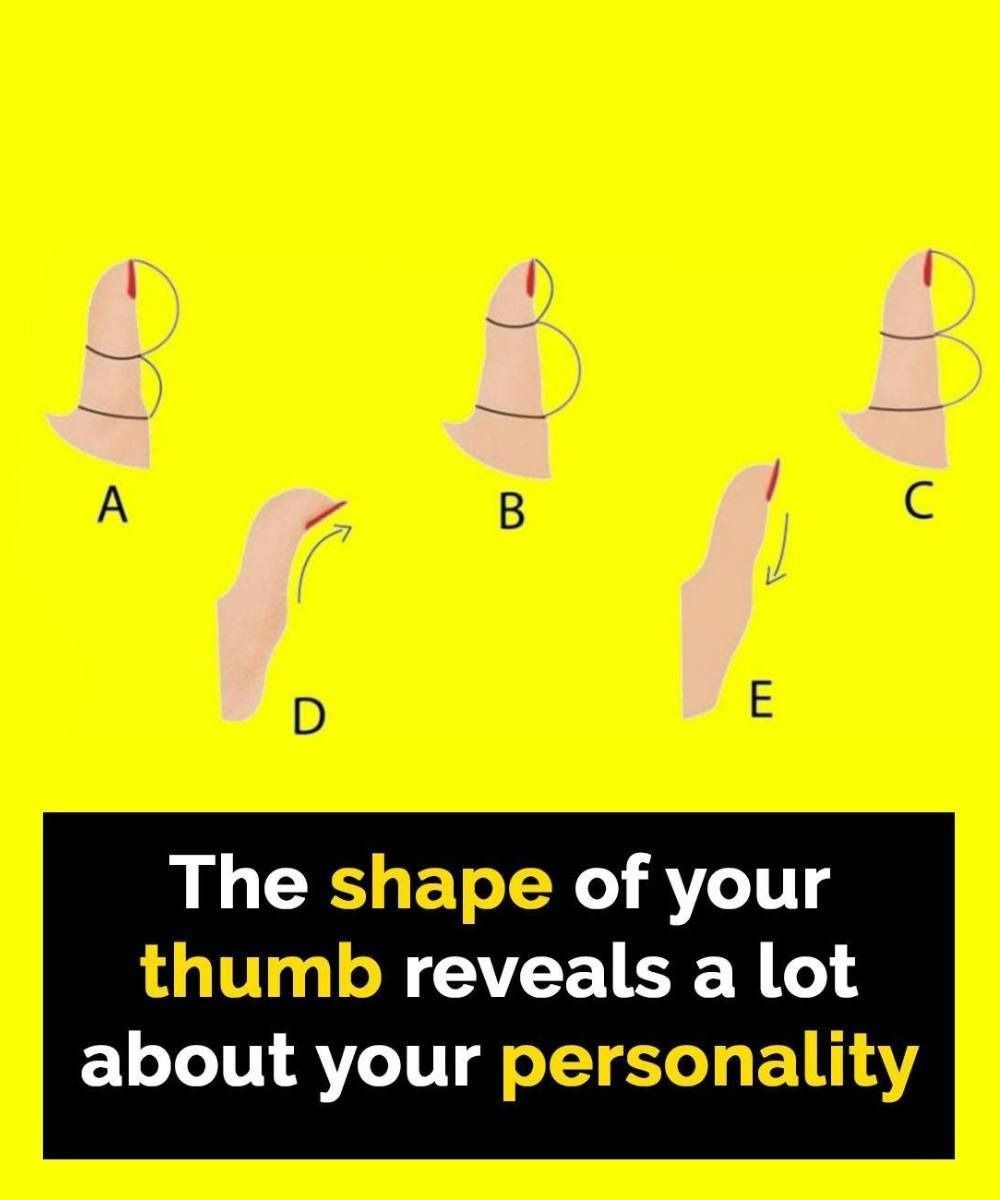
Our bodies are full of fascinating features that can tell us a lot about ourselves. One of the most overlooked parts is the thumb. While we often take our thumbs for granted, they hold significant meaning in various contexts, from biology and psychology to cultural symbolism. In this exploration, we’ll uncover the importance of the thumb, what its shape and characteristics can indicate about health and personality, and how different cultures interpret its symbolism.
The Anatomy of the Thumb
Structure and Function
The thumb is a unique digit, differing from the other fingers in several ways:
- Opposability: The thumb is opposable, meaning it can touch the other fingers, allowing for a grasping motion. This is crucial for fine motor skills and hand function.
- Bones and Joints: The thumb consists of two phalanges (the proximal and distal) and is connected to the hand by the carpometacarpal joint, which allows for a wide range of motion.
- Muscles and Tendons: Several muscles control thumb movement, including the opponens pollicis, abductor pollicis brevis, and adductor pollicis. These muscles enable various functions, from gripping to precision tasks.
The Role of the Thumb in Daily Life
The thumb plays a vital role in many everyday activities, including:
- Grasping Objects: Whether holding a cup, writing, or typing, the thumb’s opposability is essential for grip.
- Sign Language: In many forms of communication, such as sign language, the thumb is crucial for conveying meaning.
- Playing Instruments: Musicians rely on thumb dexterity for playing various instruments
The Thumb and Health IndicatorsPhysiological SignalsThe thumb can provide insights into your health. Certain physical characteristics may indicate underlying health issues:- Color Changes: A pale or bluish thumb may indicate poor circulation or oxygenation, while a yellowish tint could suggest liver issues.
- Nail Health: The condition of the thumb nail can signify health. Brittle or discolored nails may indicate nutritional deficiencies, such as a lack of biotin or iron.
- Swelling: Swollen thumbs can be a sign of arthritis or inflammation in the joints.
- Long Thumbs: Individuals with longer thumbs may be seen as more confident and assertive. They often take charge in social situations.
- Short Thumbs: Shorter thumbs might be associated with a more reserved personality. These individuals may prefer stability and routine over risk-taking.
- Curved Thumbs: A curved thumb can indicate creativity and flexibility in thinking. Such individuals may thrive in artistic endeavors.
- Thumb Position: How you hold your thumb can indicate your level of confidence. A thumb that points straight up may suggest self-assuredness, while a thumb that curves inward might indicate self-doubt.
- Thumb Dominance: The dominant thumb can also reveal aspects of your personality. For example, a dominant thumb may suggest leadership qualities, while a non-dominant thumb could indicate a more passive personality.
- Thumbs Up: This gesture signifies positivity, success, or agreement in many cultures. It is often used to convey encouragement or support.
- Thumbs Down: Conversely, a thumbs-down gesture is universally understood as a sign of disapproval or rejection.
- Greek Mythology: The ancient Greeks believed that the thumb represented the balance between strength and weakness. In their culture, the thumb was associated with the power of decision-making.
- Norse Mythology: In Norse culture, the thumb symbolized protection and defense. Warriors would often invoke the thumb as a sign of strength before battle.
Practical Applications of Thumb Knowledge
Handwriting Analysis
Interestingly, the thumb can play a role in handwriting analysis. The way you hold a pen and the pressure applied while writing can reveal aspects of your personality. A firm grip may indicate determination, while a light grip might suggest a more laid-back attitude.
Thumb Exercises for Health
To maintain thumb health and dexterity, consider incorporating thumb exercises into your routine:
- Thumb Opposition: Touch each fingertip with the thumb in succession. This exercise enhances flexibility and coordination.
- Thumb Stretches: Gently pull the thumb back to stretch the muscles and tendons. This can help alleviate stiffness.
- Grip Strengthening: Use a stress ball or grip strengthener to improve thumb strength, which can prevent injuries and enhance function.
Conclusion
Your thumb is more than just a digit; it’s a reflection of your health, personality, and cultural significance. By examining the characteristics of your thumb, you can gain insights into your overall well-being and personal traits.
From its anatomical importance to its symbolic meanings across cultures, the thumb serves as a powerful reminder of the interconnectedness of our physical and psychological selves. Embrace the unique qualities of your thumb, and consider how they contribute to your identity and experiences.
Whether you’re assessing your health, exploring personality traits, or appreciating the cultural significance, take a moment to look at your thumb—it may reveal more than you ever expected.