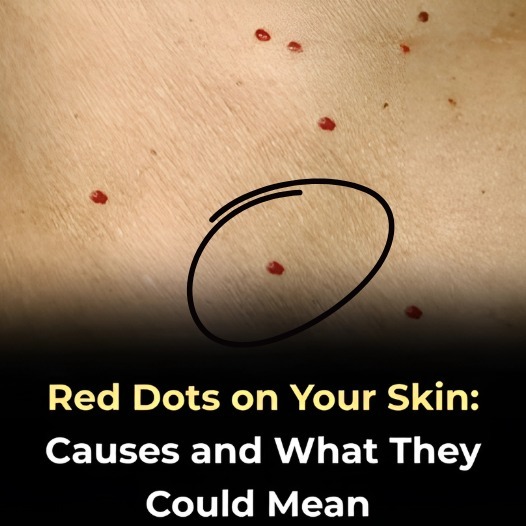
Red dots on the skin, also known as petechiae or cherry angiomas depending on their cause, can appear unexpectedly and leave you wondering what they mean. While these tiny spots are often harmless, understanding why they occur is essential for peace of mind—and identifying when to seek medical advice. Below, we explore 11 reasons behind red dots on your skin, shedding light on both common and less-known causes.
11 Reasons Why You Have Red Dots On Your Skin
1. Cherry Angiomas
What They Are: Harmless clusters of blood vessels that form raised red dots, typically appearing with age.
Why It Happens: Genetics and natural aging processes.
What to Do: No action needed unless cosmetic concerns arise; consult a dermatologist for removal options.
2. Petechiae (Tiny Bruises)
What They Are: Pinpoint red or purple dots caused by broken capillaries under the skin.
Why It Happens: Straining, injury, illness, or medications like aspirin or blood thinners.
What to Do: Monitor closely. If unexplained or widespread, see a doctor.
3. Heat Rash (Miliaria)
- What It Is: Small red bumps or dots caused by blocked sweat glands in hot, humid weather.
- Why It Happens: Overheating or wearing tight clothing in warm conditions.
- What to Do: Cool down, wear breathable fabrics, and apply soothing lotions if necessary.
4. Allergic Reactions
- What They Are: Tiny red dots or hives triggered by allergens like food, medication, or environmental factors.
- Why It Happens: Histamine release due to exposure to irritants.
- What to Do: Identify and avoid triggers; use antihistamines for relief.
5. Blood Clotting Disorders
- What They Are: Flat red dots caused by spontaneous bleeding under the skin.
- Why It Happens: Conditions like thrombocytopenia or hemophilia impair clotting abilities.
- What to Do: Seek immediate medical attention if accompanied by excessive bruising or bleeding.
6. Dermatographism
- What It Is: Raised red dots or lines appearing after scratching or pressure on the skin.
- Why It Happens: A type of physical urticaria (hives) triggered by friction.
- What to Do: Avoid scratching, and manage symptoms with antihistamines.
7. Aging Skin
- What They Are: Small, flat red dots called senile angiomas, more common with age.
- Why It Happens: Thinning skin exposes underlying blood vessels.
- What to Do: Embrace them as part of natural aging, or discuss removal with a dermatologist.
8. Infections
- What They Are: Red dots resulting from bacterial, viral, or fungal infections.
- Why It Happens: Examples include measles, scarlet fever, or staph infections.
- What to Do: Consult a healthcare provider for proper diagnosis and treatment.
9. Rosacea
- What It Is: Persistent redness with small dots or bumps, often on the face.
- Why It Happens: Chronic inflammation affecting blood vessels.
- What to Do: Manage triggers like stress, sun exposure, and spicy foods; seek dermatological care for flare-ups.
10. Blood Pressure Fluctuations
- What They Are: Temporary red dots caused by burst capillaries due to high or low blood pressure.
- Why It Happens: Sudden changes strain delicate blood vessels, especially on the chest or arms.
- What to Do: Address underlying blood pressure issues and monitor consistently.
11. Stress or Trauma
- What They Are: Red dots caused by minor injuries or intense emotional/physical stress.
- Why It Happens: Straining during exercise, coughing fits, or crying can rupture tiny vessels.
- What to Do: Rest and recover; if persistent, consult a doctor.
When Should You Worry?
While most red dots are benign, certain scenarios demand professional attention:
- The dots suddenly increase in number or size.
- They’re painful, itchy, or ooze fluid.
- Accompanied by fever, fatigue, or other systemic symptoms.
- Unexplained and lasting longer than two weeks.
How to Care for Your Skin
- Moisturize Regularly: Keep skin hydrated to prevent dryness-related irritation.
- Protect Against Sun Damage: Wear sunscreen and protective clothing to safeguard blood vessels.
- Stay Hydrated: Drink plenty of water to support overall skin health.
- Monitor Changes: Track new developments or patterns for early detection.
Final Thoughts
Your skin tells stories—some fleeting, others meaningful. Understanding why red dots appear empowers smarter skincare decisions and reassures us about our bodies’ signals. Whether genetic, environmental, or linked to health, addressing concerns openly leads to better outcomes.
If unsure, don’t hesitate to visit a healthcare provider. After all, knowing your body’s language builds confidence and promotes wellness.