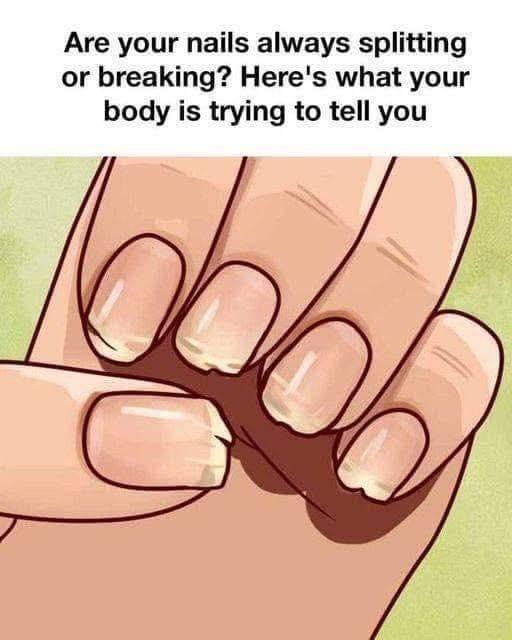
Your nails can indicate a surprising amount about your health, as changes in their shape, color, or texture can suggest underlying medical issues. From heart disease to iron-deficiency anemia, your fingernails might be crucial in identifying early signs of health problems. Dr. Sara Norris, a naturopathic doctor based in Los Angeles, points out that the condition of your nails often mirrors your nutritional intake and digestion, making them a vital aspect of overall health monitoring. By understanding what your nails signify, you could potentially discover hidden health issues before they escalate. Below are the health concerns that can be detected through your nails:
Beau’s Lines: A Warning Sign

Beau’s lines, which are marked by deep grooves or ridges on the nails, often indicate a temporary pause in nail growth caused by a serious illness or infection. “These lines can emerge following illnesses like COVID-19 or during stressful situations such as chemotherapy or high fevers,” explains Dr. Bhavini Shah from Lloyds Pharmacy Online Doctor. In extreme cases, nail growth may completely cease, leading to onychomadesis. Although Beau’s lines are not always alarming, if they persist or recur, it’s advisable to consult your GP. Keeping an eye on such health indicators in your nails can offer valuable insights into how your body reacts to stress or illness.
Clubbing: Associated with Heart Health

When nails bend downwards and fingertips become enlarged, this condition known as clubbing could indicate heart disease. Dr. Shah clarifies that clubbing progresses slowly, which can make it hard to detect until noticeable changes take place. Symptoms that may accompany this condition include swollen ankles, severe fatigue, and chest pain. Although some individuals may naturally have clubbed nails, it’s crucial to seek medical advice if you observe significant alterations in nail shape along with other health issues. Early detection of health problems reflected in your nails can significantly aid in managing heart conditions.
Spoon-Shaped Nails: A Sign of Iron Deficiency

Spoon-shaped nails have an inward curve and are frequently associated with iron-deficiency anemia. This condition is often seen after pregnancy but can also arise from inadequate nutrition, digestive problems, or celiac disease. Symptoms might include pale skin, headaches, and difficulty breathing. Dr. Shah recommends scheduling an appointment with your GP if you notice spooning, as a blood test can verify anemia. Treatment usually consists of iron supplements and adjustments to your diet. Being mindful of health issues reflected in your nails can enhance your overall well-being.
Pitting or Denting: An Indicator of Skin Disorders

Small dents or pits on your nails’ surface could indicate more than just a cosmetic concern. These flaws are frequently linked to skin disorders such as psoriasis, eczema, or alopecia areata, which is a form of hair loss. Dr. Bhavini Shah notes that these conditions usually come with additional symptoms besides nail pitting. For example, psoriasis can lead to scaly, dry patches on the skin, while eczema often results in redness, itching, and cracked skin. Alopecia areata, conversely, causes patchy hair loss. Although mild nail pitting might not need treatment, more severe instances can often improve with corticosteroids or vitamin D3 therapy, which should be used in conjunction with treatments for the underlying skin issue. If you observe dents on your nails, seeking advice from a dermatologist can help clarify the situation and assist you in managing the problem effectively.
Melanoma: The Hidden Danger Beneath Your Nails

Changes in your nails can sometimes indicate serious health issues, including melanoma, which is the most severe type of skin cancer. A dark vertical streak on the nail may be an early warning sign. Although not every dark line points to cancer, it’s important to consult a dermatologist for an assessment. Subungual melanoma, or melanoma occurring under the nails, is quite uncommon but can spread quickly if not treated. Early detection and prompt treatment are essential for positive results. If you observe any unusual discoloration or dark streaks on your nails, particularly if they appear to grow or alter over time, don’t overlook them. Your attentiveness could greatly impact your health.
Terry’s Nails: A Possible Sign of Liver Disease

Terry’s nails, named after the doctor who first identified the condition, appear when most of the nail bed turns white, leaving just a small red or pink strip at the tip.
Although Terry’s nails can sometimes be a natural part of aging, they are more frequently associated with serious health issues like liver disease, diabetes, or heart disease. Symptoms such as jaundice (yellowing of the skin), fatigue, and loss of appetite often accompany cases related to liver problems. If you observe this discoloration on your nails, it’s crucial to seek advice from a healthcare professional to determine the underlying cause and address it without delay.
Yellow Nails: More Than a Cosmetic Concern

Yellow nails can often indicate fungal infections, but they may also signal more serious health issues such as thyroid disease, diabetes, psoriasis, or even lung disease. Fungal infections typically lead to thickening, crumbling, or detachment of the nail from the nail bed, and while they can be treated over time, patience is often required. If your nails become yellow without a clear reason, like nail polish use or a fungal infection, it’s advisable to consult a doctor. Addressing the underlying condition promptly can help prevent complications and restore the natural look of your nails. Ongoing yellowing may suggest that your body is signaling an internal problem that needs attention.
Take Action for Better Nail Health
Your nails can provide important insights into your overall health. Although not every change is a cause for concern, persistent or unusual conditions should be assessed by a doctor. Keeping an eye on your nails regularly can help you identify potential health issues that may be lurking and allow you to take early action to address them.