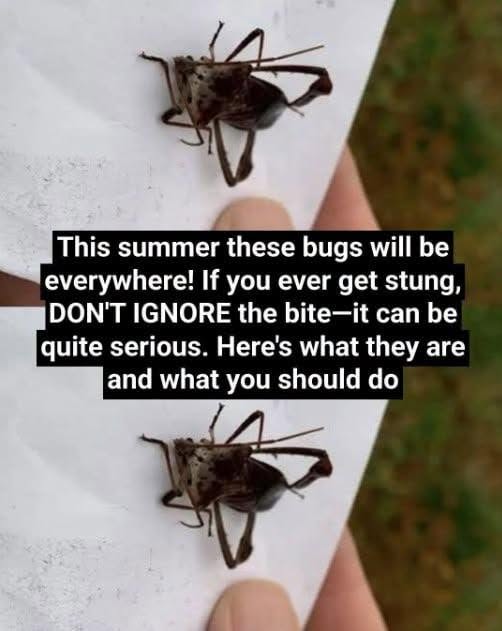
Summertime brings warm evenings and outdoor adventures, but it also brings ticks, mosquitoes, and other pests we would rather avoid. Just when we thought we had enough bugs to deal with, along came the assassin bug.
Many people have likely never heard of this insect before, but their populations are on the rise, and their bite can be quite serious.
Thankfully, if you know more about it, you will be better equipped to protect yourself and to respond calmly and effectively if a bite does occur.
Let us walk through everything you need to know: what assassin bugs are, where they live, how to prevent encounters, and exactly what to do if you or a loved one is bitten.
Focus: Understanding assassin bugs, preventing bites, and responding appropriately if bitten
Key Distinction: Only certain species called “kissing bugs” transmit Chagas disease; many assassin bugs are beneficial predators
Find Treatments
Primary Risk: Transmission of Trypanosoma cruzi parasite through bug feces entering bite wounds or mucous membranes
Prevention Focus: Reducing habitats near homes, sealing entry points, using repellent, and protecting pets
Immediate Response: Wash bite area, avoid scratching, apply antiseptic, monitor symptoms, seek medical evaluation if kissing bug suspected
Important Reminder: Early detection of Chagas disease dramatically improves treatment outcomes
Core Message: Awareness and preparedness reduce risk; most bites are mild and manageable with proper care
Why This Topic Matters: Knowledge as Protection
Why This Topic Matters: Knowledge as Protection
Hire Pest Exterminators
In an era where emerging health concerns receive widespread attention, understanding the difference between genuine risks and manageable hazards is essential. Assassin bugs represent a case where informed awareness—not fear—leads to better outcomes.
This topic matters because it empowers you to:
Distinguish between beneficial insects and those that pose health risks
Take practical steps to reduce exposure in your home and yard
Respond appropriately if a bite occurs, minimizing complications
Recognize symptoms that warrant medical attention without unnecessary anxiety
Knowledge does not eliminate risk, but it transforms uncertainty into action. By learning about assassin bugs, you protect yourself and your loved ones while avoiding the paralysis that fear can bring.
Understanding Assassin Bugs: What You Need to Know
Explore Entomology Kits
Assassin bugs belong to the family Reduviidae, a diverse group of insects found throughout most of the United States, with higher prevalence in Southern states. These insects range from one-half to one and one-half inches long, with oval-shaped bodies that are typically brown or black.
It is important to understand a key distinction: not all assassin bugs transmit disease. The term “kissing bug” specifically refers to species in the Triatominae subfamily, which are the ones associated with Chagas disease. Many other assassin bugs are actually beneficial predators that eat garden pests like aphids and caterpillars.
Find Treatments
Assassin bugs prefer sheltered, undisturbed areas near hosts. They are primarily nocturnal, meaning they are most active at night. They feed on blood and are attracted to the carbon dioxide and warmth emitted by mammals, including humans and pets.