Doctors emphasize that regular blood pressure checks are just as important as maintaining a healthy diet. Many patients discover they have hypertension only after a serious medical emergency occurs.
Another overlooked factor is poor dietary balance despite healthy intentions. Some people avoid junk food and exercise regularly, but still consume excessive amounts of sodium, processed meats, sugary snacks, or packaged convenience foods. These products can contribute to high cholesterol, inflammation, and increased blood pressure.
Meet Dietitians
Nutrition specialists recommend focusing on whole foods, including vegetables, fruits, whole grains, lean proteins, and healthy fats. Reducing highly processed foods may significantly improve long-term cardiovascular health.


A third habit doctors frequently warn about is ignoring warning signs. Symptoms such as recurring headaches, dizziness, temporary numbness, unusual fatigue, or brief episodes of weakness are sometimes dismissed as stress, aging, or exhaustion. However, these symptoms can occasionally signal underlying circulatory problems.
Early medical evaluation can make a critical difference. Many strokes are preceded by warning signs that appear days, weeks, or even months beforehand. Recognizing these signals and seeking treatment promptly may help prevent a life-threatening event.
Experts also note that factors such as diabetes, high cholesterol, family history, and age can influence stroke risk even in people who appear healthy. Genetics and medical history may play a larger role than many individuals realize.


Healthcare professionals recommend a comprehensive approach to prevention. In addition to exercising regularly and eating well, adults should monitor blood pressure, maintain healthy cholesterol levels, stay hydrated, get adequate sleep, and schedule routine medical examinations.
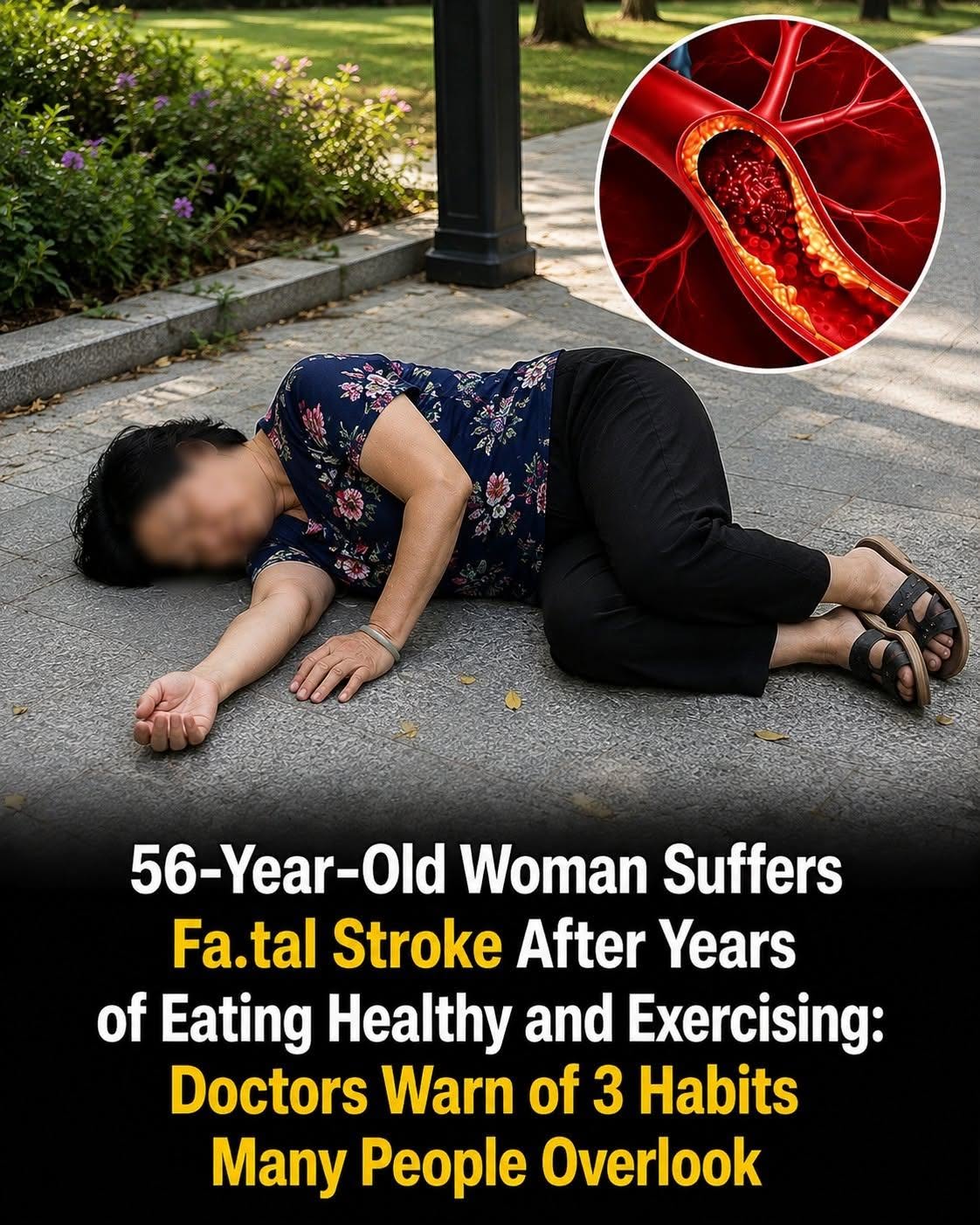
The story of this 56-year-old woman serves as a powerful reminder that good habits alone cannot guarantee protection from serious illness. Preventive healthcare, regular screenings, and awareness of hidden risk factors are equally important.
While no strategy can completely eliminate the risk of stroke, experts agree that early detection and proactive health management can significantly improve outcomes. For many people, a simple medical checkup may reveal issues that would otherwise remain unnoticed until it is too late.