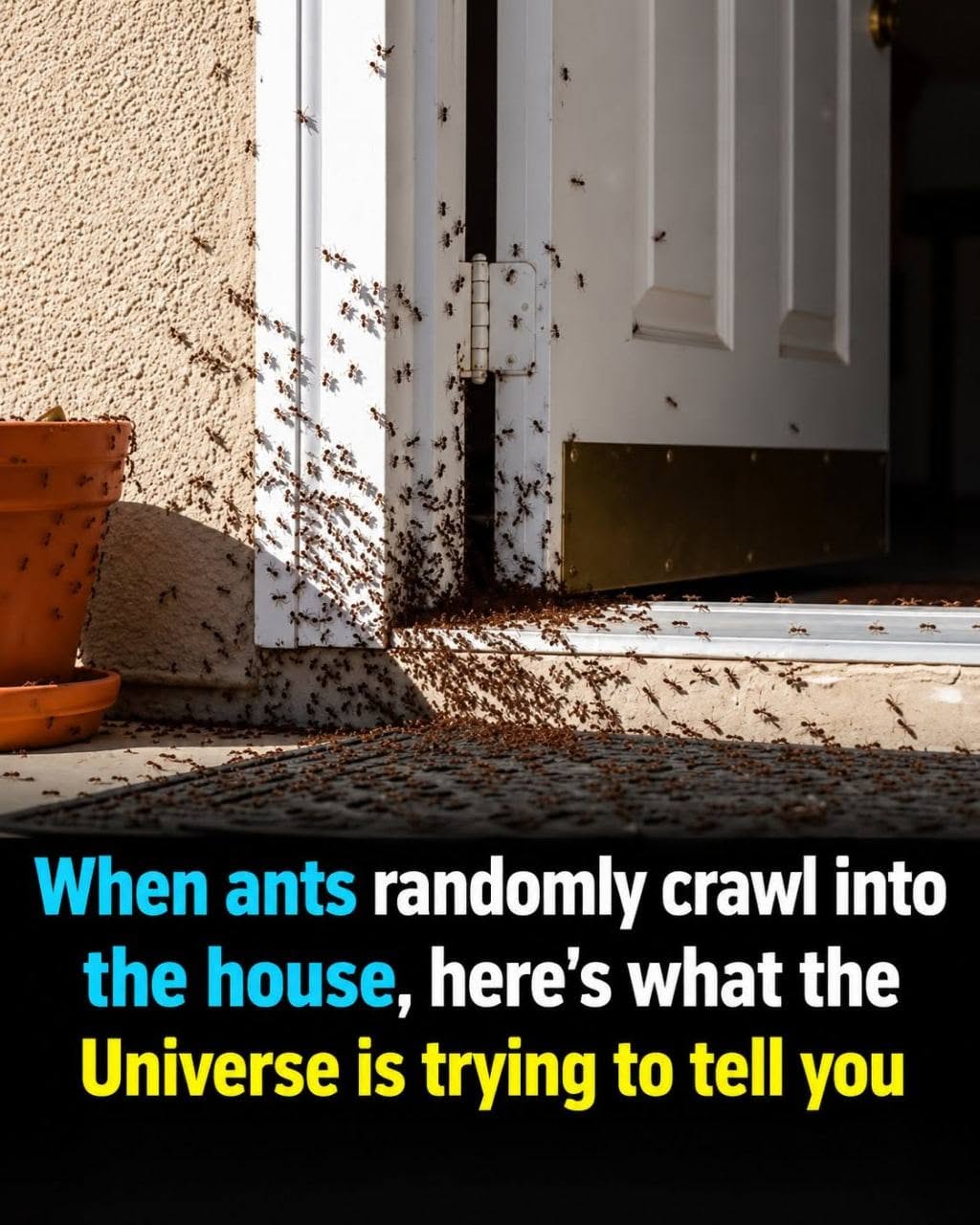
Have you ever walked into your kitchen or opened your front door only to discover dozens, or even hundreds, of tiny ants crawling along the floor, walls, and doorframes? You are certainly not alone! Ants sometimes appear seemingly overnight, leaving homeowners wondering where they came from and how to get rid of them.
Although seeing so many ants inside your home can be frustrating, there is usually a reason behind their sudden appearance. Understanding what attracts them and how they enter your house can help you deal with the problem more effectively.
Why Are There So Many Ants in Your Home?
Ants are constantly searching for food, water, and suitable places to build their colonies. Your home can provide all three, especially during changes in weather or when food is easily accessible.
Here are some of the most common reasons ants may be invading your home.
1. Food Crumbs and Spills
Even the smallest food particles can attract ants. Sugar, honey, bread crumbs, fruit juice, and leftover food are particularly appealing to many common household ant species.
Once a scout ant discovers a food source, it can leave a chemical trail that helps other ants follow the same route. This is why you might initially notice just one or two ants and then suddenly see a long line of them.
What you can do: Wipe kitchen counters regularly, sweep floors, clean spills immediately, and store food in tightly sealed containers.
2. Changes in Weather
Weather conditions can influence ant activity. Heavy rain may flood underground nests, encouraging ants to seek drier places. During hot, dry weather, some ants may enter buildings in search of water.
Doors, windows, cracks, and gaps around pipes can provide easy entry points.
What you can do: Check window frames, doorways, and the areas around plumbing for small openings. Seal suitable gaps with an appropriate sealant.
3. Easy Access to Water
Ants need water to survive, and certain areas of your home can provide a convenient source. Leaking faucets, damp sponges, condensation, and standing water may attract them.
Bathrooms, kitchens, laundry rooms, and areas beneath sinks are worth checking if you notice repeated ant activity.
Shop Kitchenware
What you can do: Repair leaks, dry wet surfaces, improve ventilation, and avoid leaving standing water around sinks.
4. An Ant Colony Nearby
Sometimes, the source of an ant problem is not inside your house at all. A nest may be located beneath paving stones, near the foundation, in garden soil, or inside a wall cavity.
Ants entering through the same gap repeatedly may be following a regular trail between their colony and a food or water source.
If you keep seeing ants in the same location despite cleaning, inspect the surrounding area for possible entry points.
How to Get Rid of Ants Naturally
If you want to reduce ant activity without immediately reaching for strong chemical products, start with these simple household measures.
Clean Their Trails
Wipe ant trails and nearby surfaces with ordinary household detergent and water. This helps remove food residues and the chemical trails ants use to navigate.
Remember to clean the area where they enter, not just the place where they gather.
Store Food Properly
Keep sweet foods, cereals, pet food, and other pantry items in sealed containers. Avoid leaving dirty dishes in the sink overnight, and empty kitchen bins regularly.
Seal Entry Points
Look for cracks around windows, doors, skirting boards, and utility pipes. Sealing suitable gaps can reduce the number of ants entering your home.
Consider Ant Baits
If ants keep returning, commercially available ant baits may help control the colony. Follow the product label carefully and keep baits away from children and pets. Avoid spraying insecticides directly around bait stations unless the label specifically permits it, as this may interfere with their effectiveness.
If the infestation is extensive or ants appear to be nesting inside walls, consider contacting a qualified pest-control professional.
What You Should Avoid Doing
There are several common mistakes that can make an ant problem harder to manage.
- Do not leave uncovered food on kitchen counters.Try New Foods
- Do not ignore persistent leaks or damp areas.
- Avoid crushing ants without cleaning the surrounding trail afterward.
- Do not mix household cleaning chemicals, especially bleach and ammonia.
- Avoid applying pesticides near food preparation surfaces unless the product label explicitly allows it.
If you suspect the ants may be carpenter ants, which can nest in damp or damaged wood, investigate possible moisture problems and consider professional identification.
When Should You Be Concerned?
A few ants near a window or kitchen counter do not necessarily indicate a serious infestation. However, large numbers appearing repeatedly, ants emerging from electrical outlets or wall cavities, or signs of wood damage deserve closer attention.
Different ant species require different treatment methods, so identifying the type of ant can be helpful when ordinary cleaning and prevention measures are not enough.
Final Thoughts
Seeing ants crawling across your doorway, kitchen floor, or walls can be unpleasant, but understanding why they are there is the first step toward solving the problem.
Food crumbs, moisture, changing weather, and small openings around your home can all contribute to ant activity. By keeping surfaces clean, storing food properly, fixing leaks, and sealing entry points, you can make your home less attractive to these unwanted visitors.
Have you ever experienced a sudden ant invasion in your home? Where did you find the most ants—in your kitchen, bathroom, near the front door, or somewhere else? Share your experience in the comments. Your advice might help someone else dealing with the same problem!