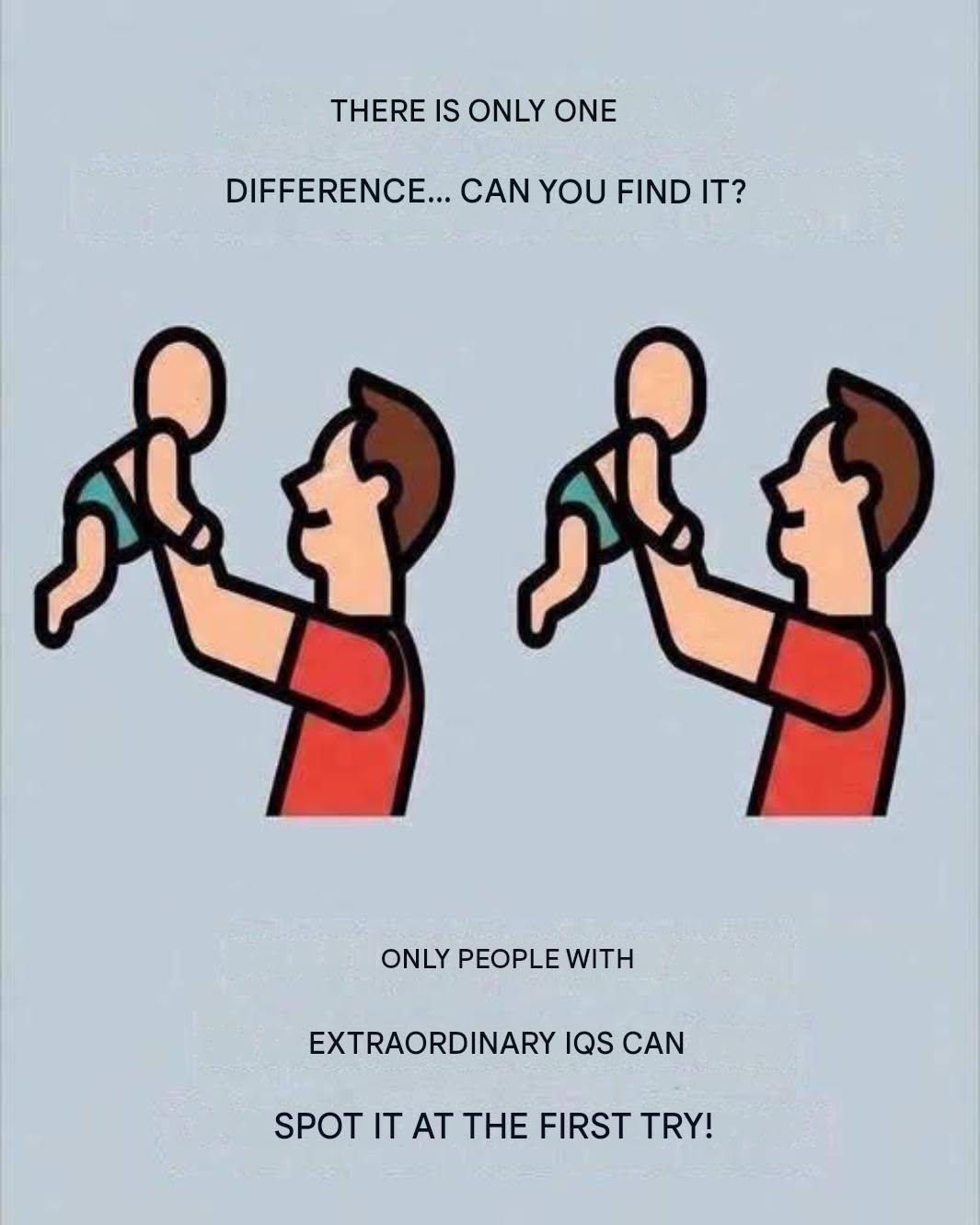
At first glance, the two images appear identical. The colors, shapes, and main objects overlap so perfectly that many would confidently assert that there is no difference. However, a small detail has been altered, and spotting it requires more than a quick glance.
Visual puzzles of this type work because the brain prioritizes efficiency. Instead of examining each object separately, it perceives the scene as a whole and fills in the gaps with the information it expects to see. This shortcut is useful in everyday life, but it also makes subtle changes easy to miss.
The best method is to compare the image section by section. Start in a corner, move slowly upwards, then repeat the process towards the center and bottom. Pay attention to contours, repeating objects, orientation, color, and small spaces rather than focusing solely on the most obvious subject.
There’s no need to rush. This challenge isn’t a serious measure of intelligence; it’s simply a test of attention and patience. Once the altered detail is visible, it often seems impossible that it was ever hidden.
Visual puzzles are gaining popularity because they reveal the efficiency of normal brain function. Instead of analyzing each line and shape individually, the brain groups information into familiar patterns. This shortcut allows for quick recognition in everyday life, but it also creates blind spots when a puzzle deliberately hides a detail within a more complex pattern.
A systematic method is generally more effective than careful observation. Divide the image into sections, move in one direction, and note what you have already counted. Where shapes overlap, sort them by size. When comparing two images, examine the outlines, colors, spacing, direction, and repeated objects separately.