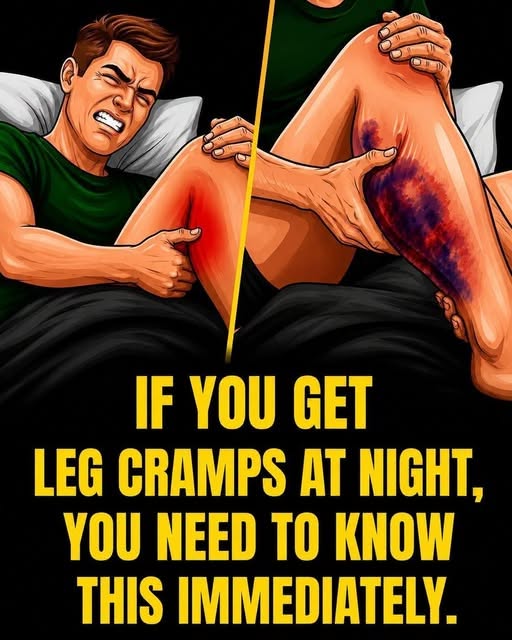
Night leg cramps are sudden, painful muscle tightenings—usually in the calves, feet, or thighs—that can be a sign of everyday physical strain or an underlying health issue.
What Your Body May Be Telling You
- Mineral and Electrolyte Imbalances: Low levels of key minerals like magnesium, potassium, calcium, or sodium disrupt how your nerves and muscles communicate, leading to spasms.
- Dehydration: Not drinking enough fluids or losing them through heavy sweating reduces total body water, making muscles prone to tightening up.
- Muscle Fatigue or Overexertion: Strenuous exercise, standing for long hours, or remaining in a sedentary position all day can tire out the calf muscles.
- Sleep Positioning: Pointing your toes downward (plantar flexion) while sleeping shortens the calf muscles, making them easy to trigger into a cramp.
- Pregnancy: Hormonal shifts, added weight, and changes in circulation frequently cause night cramps during the second and third trimesters.
- Medications: Certain drugs—such as diuretics,
statins, and blood pressure medications—can affect fluid balance or muscle function.
Underlying Health Conditions: Frequent cramps can sometimes point to issues like diabetes, nerve compression, thyroid disorders, liver disease, or kidney problems.You can read more about symptoms and management through the Cleveland Clinic Leg Cramps Guide. [1]
How to Relieve and Prevent Them
Immediate relief: Stretch the leg straight out and gently flex your foot upward toward your face, massage the tight muscle with your hands or an ice pack, or take a short walk.
Daily stretching: Do a 5-minute wall calf stretch three times a day, with the final session right before bed.
Hydration and sleep tweaks: Drink plenty of water during the day, limit alcohol and caffeine, and loosen tight bedsheets at the foot of your mattress.