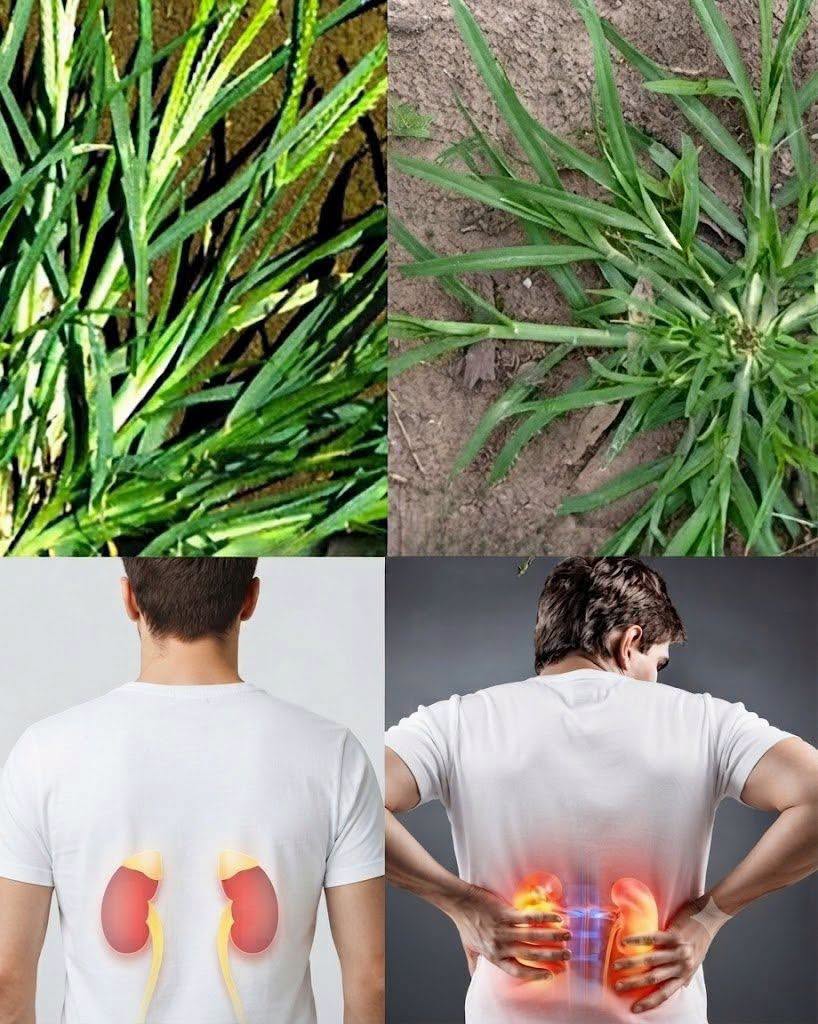
You’ve probably ripped this stubborn, sticky weed out of your garden a thousand times, completely unaware that you were tossing away a ancient natural treasure! For centuries, herbalists and traditional healers secretly guarded the incredible secrets of goosegrass, a humble plant hiding right in plain sight in backyards across the world. While modern gardeners view it as nothing more than an aggressive nuisance ruining their pristine lawns, history reveals a shockingly different story. Beneath its prickly exterior lies a powerhouse of natural compounds that herbalists used to brew potent remedies for generations, leaving people completely amazed at what this ignored plant can do!
Also known by its colorful folk names like cleavers, catchweed, or sticky willy, goosegrass (Galium aparine) has quietly blanketed fields, forests, and suburban yards for thousands of years. To the average homeowner dragging a lawnmower across the yard, it is simply a persistent pest that clings stubbornly to clothes, pet fur, and gardening gloves. Its unique ability to hitch a ride on anything passing by comes from tiny, hooked bristles covering its square stems and leaves. Yet, this very mechanism that makes it such an annoying weed in modern garden beds is precisely what made it an indispensable, highly valued resource for ancient civilizations.
Long before modern pharmacies and synthetic supplements existed, early human communities relied heavily on the wild flora growing directly outside their doorstep. Traditional healers across Europe, Asia, and North America recognized that nature often disguised its most valuable gifts in the simplest packages. Goosegrass was gathered by herbalists who carefully harvested its tender spring shoots to prepare vibrant green poultices, soothing tonics, and restorative teas. In ancient herbal tradition, the plant was celebrated for its gentle cleansing properties, often utilized as a seasonal spring tonic to help refresh the body after long, dormant winters spent consuming heavy preserved foods.
Throughout folk medicine history, various cultures found clever ways to harness every part of the plant. Folk remedies frequently featured fresh goosegrass juice applied directly to the skin to soothe minor irritations, cooling inflamed areas and supporting natural healing. When dried and steeped into hot water, its leaves and stems yielded a mild, earthy tea that traditional practitioners recommended to support lymphatic health, promote fluid balance, and encourage natural detoxification pathways within the body. Surprisingly, even the tiny hooked seeds of the plant held a secret: once roasted, they offered a rich, aromatic flavor closely resembling coffee, belonging as it does to the very same botanical family (Rubiaceae).
Beyond its extensive history in human herbalism, goosegrass plays a vital, unappreciated role in local ecosystems. What humans dismiss as an invasive eyesore is actually a thriving haven for biodiversity. The dense, scrambling mats formed by growing goosegrass provide crucial shelter, shade, and protection for beneficial ground insects, small amphibians, and tiny garden critters. Furthermore, its delicate white flowers offer essential nectar for native pollinators, while its nutrient-dense leaves serve as a valuable food source for various caterpillar species and foraging wild animals—including geese, which enthusiastically gave the plant its famous common name.
In recent years, a massive global shift toward natural wellness and holistic living has sparked a dramatic resurgence of interest in forgotten botanical remedies. As more people seek to reconnect with nature and explore sustainable, plant-based approaches to everyday vitality, humble species like goosegrass are finally stepping back into the spotlight. Modern researchers and botanists have begun taking a closer look at these overlooked wild plants, analyzing their complex profiles of antioxidants, flavonoids, and organic acids to better understand the scientific mechanisms behind centuries of traditional lore.
While the modern scientific community continues to study these natural compounds to determine their exact bioactivity and potential applications, the rich history of goosegrass serves as a fascinating bridge between ancient wisdom and contemporary curiosity. However, experts remind enthusiastic foragers that traditional history does not automatically equal guaranteed medical efficacy. Anyone interested in incorporating wild plants into their wellness routine should exercise proper caution, ensure absolute identification away from pesticide-treated soils, and consult with qualified healthcare professionals before using any wild herb for health purposes.
Ultimately, the captivating journey of goosegrass—from a discarded backyard pest to a celebrated botanical curiosity—reminds us that true value is often hidden in the most unexpected places. The next time you spot this sticky green traveler creeping along your garden fence, take a moment to look past its humble reputation. Behind those tiny clinging hooks lies a remarkable story of human history, natural survival, and ancient wisdom waiting to be rediscovered right under your feet.