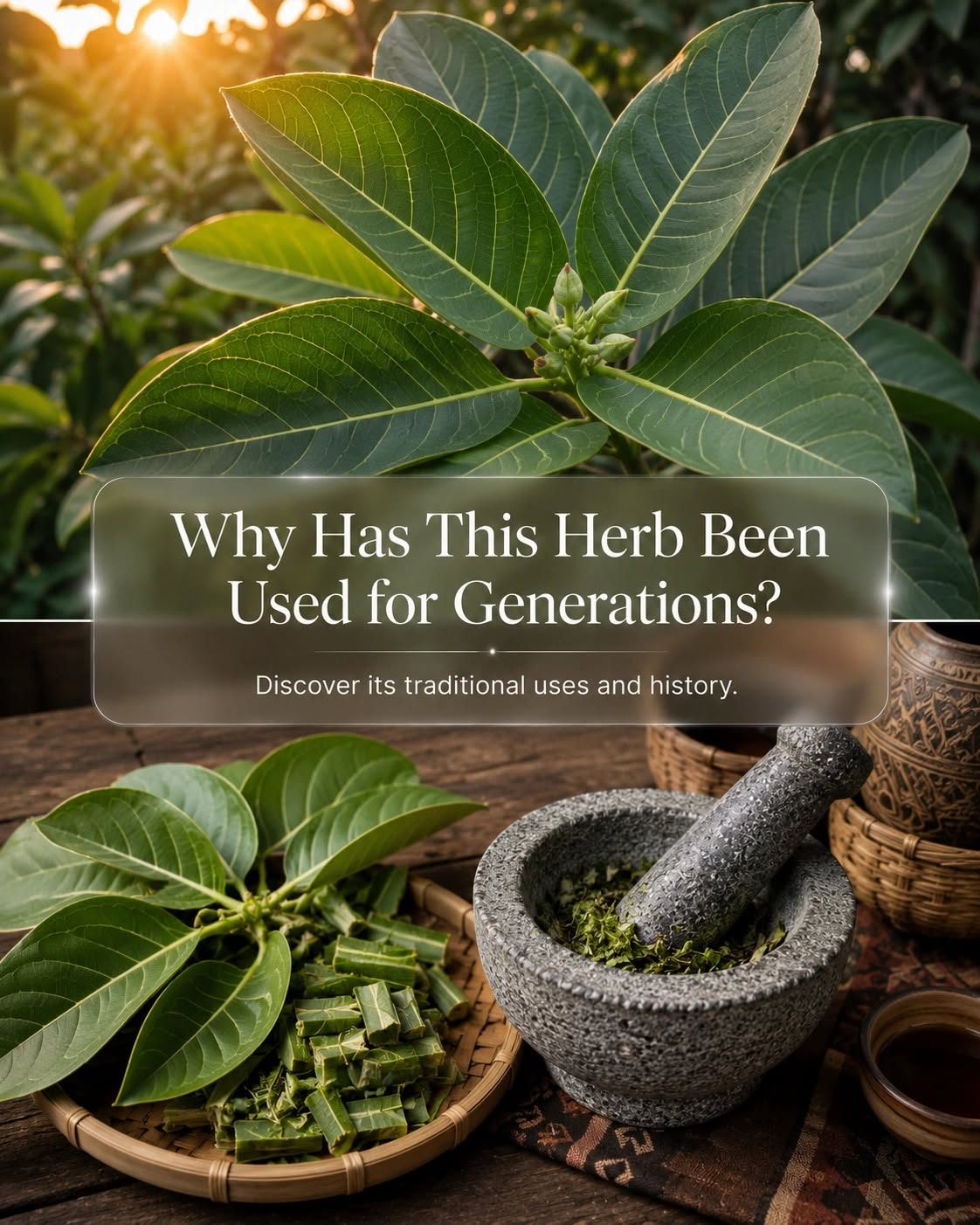
Plants have played an important role in traditional practices across many cultures for centuries. One herb that occasionally appears in folk medicine discussions is Big-Leaf Milkweed. Its historical use has sparked curiosity among gardeners, herbal enthusiasts, and those interested in traditional plant knowledge.
However, it’s essential to distinguish traditional use from scientifically proven medical benefits. While some communities have used this plant in traditional remedies, there is no reliable scientific evidence that it can restore eyesight or cure eye diseases.
What Is Big-Leaf Milkweed?
Big-Leaf Milkweed is a broad-leaved flowering plant known for its distinctive foliage and milky sap. Depending on the region, different species may be referred to by this common name, so proper botanical identification is important.
Many milkweed species are valued for ecological reasons, including supporting pollinators such as butterflies.
Traditional Uses
In various traditional practices, parts of the plant have been used for purposes such as:
- Herbal preparations
- Cultural remedies
- Gardening and ecological conservation
- Educational botanical studies
These traditional uses do not confirm medical effectiveness.
Nutritional and Scientific Perspective
Current scientific research does not support claims that Big-Leaf Milkweed can:
- Restore vision
- Improve eyesight by a specific percentage
- Cure cataracts
- Treat glaucoma
- Replace professional eye care
Eye health depends on many factors, including genetics, age, nutrition, and regular eye examinations.
Supporting Healthy Vision
Evidence-based ways to support eye health include:
- Eating leafy green vegetables.
- Consuming foods rich in vitamins A, C, and E.
- Including omega-3 fatty acids in your diet.
- Wearing UV-protective sunglasses outdoors.
- Limiting excessive screen time and taking regular breaks.
- Scheduling routine eye examinations.
Safety Considerations
Many milkweed species contain compounds that may be irritating or toxic if handled or consumed improperly. Never apply plant extracts directly to your eyes or ingest unfamiliar plants without guidance from qualified professionals.
If you experience vision changes, eye pain, or sudden loss of vision, seek prompt evaluation by an eye care professional.
Frequently Asked Questions
Can this plant improve eyesight?
There is no reliable scientific evidence that Big-Leaf Milkweed improves eyesight or reverses eye diseases.
Is it safe to use around the eyes?
No. Plant preparations should never be applied directly to the eyes unless they have been specifically developed, tested, and approved for ophthalmic use.
Why is it still popular online?
Many traditional remedies are widely shared because of cultural history and personal stories. These should not be confused with evidence-based medical treatments.
Final Thoughts
Big-Leaf Milkweed is an interesting plant with a place in traditional knowledge and botanical discussions. While it continues to attract attention online, claims that it can dramatically improve eyesight are not supported by scientific evidence. If your goal is to protect your vision, focus on proven healthy habits and consult a qualified eye care professional for any concerns.