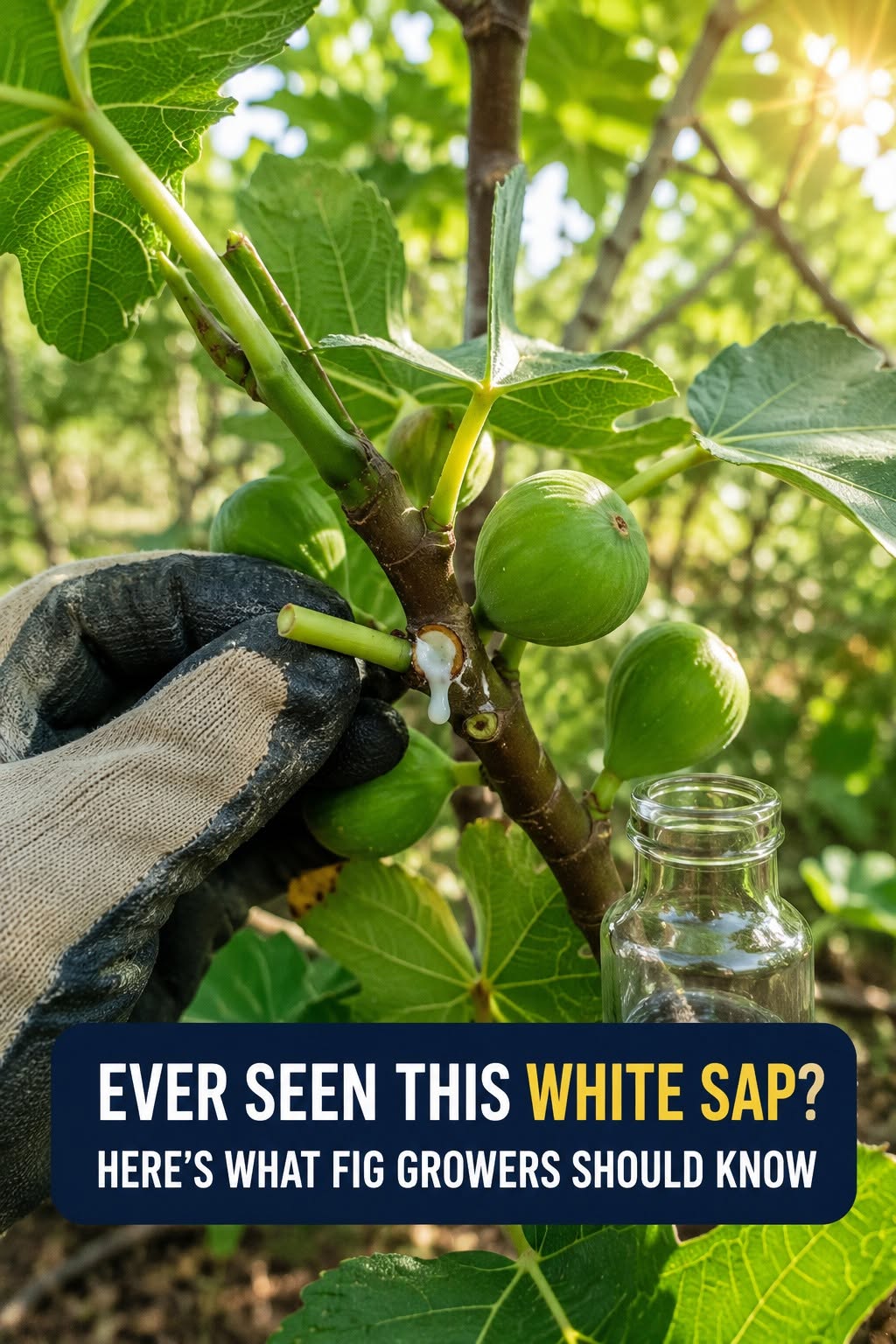
If you’ve ever pruned a fig tree or picked an unripe fig, you may have noticed a white, milky liquid appearing from the cut stem.
This substance is commonly known as fig latex, and it is a natural part of the fig plant.
For centuries, fig trees have been associated with traditional food cultures and gardening practices, and different parts of the plant have been used in various ways around the world.
But before handling the sap yourself, there are a few important things to understand.
What Is the White Sap From a Fig Tree?
The white liquid that appears when a fig stem, leaf stalk, or unripe fruit is cut is a type of plant latex.
It is produced naturally by the fig tree and contains a mixture of plant compounds.
The amount of sap you see can vary depending on the part of the plant, the age of the branch, and environmental conditions.
It is usually more noticeable when working with freshly cut stems or unripe figs.
Why Do People Collect It?
The reasons people collect fig latex vary.
In some traditional practices, the sap has been used in folk remedies and household preparations. In other cases, people are simply interested in the plant itself and want to learn more about its traditional uses.
However, traditional use should not automatically be interpreted as scientific evidence that a substance can treat or cure a medical condition.
If you come across online claims suggesting that fig sap is a miracle treatment for a particular disease, it’s worth checking whether those claims are supported by reliable scientific evidence.
Fig Trees Have a Long History
Fig trees are among the oldest cultivated fruit trees and have been an important part of food traditions in many parts of the world.
The fruit can be enjoyed fresh or dried and is commonly used in:
Desserts
Jams
Baked goods
Salads
Cheese boards
Breakfast dishes
The leaves are also used in some cuisines as a wrapping or flavoring ingredient.
This long history makes the fig tree an interesting plant not only for gardeners but also for anyone interested in traditional food culture.
What Should You Know Before Handling Fig Sap?
This is one of the most important points.
Fresh fig latex can be irritating to the skin for some people.
The sap may also contain compounds that can increase skin sensitivity to sunlight. Contact with the sap followed by exposure to sunlight may cause an unpleasant skin reaction in susceptible individuals.
For this reason, it’s best to avoid deliberately applying fresh fig sap to your skin.
If you’re pruning a fig tree, wearing gardening gloves is a sensible precaution.
It’s also a good idea to wash your hands after handling the plant and avoid touching your eyes or face.
What If Fig Sap Gets on Your Skin?
If you accidentally come into contact with fig latex, gently wash the affected area with soap and water.
Avoid unnecessary sun exposure to the affected skin until it has been thoroughly cleaned.
If significant irritation, redness, blistering, or discomfort develops, seek appropriate medical advice.
People with sensitive skin should take extra care when handling plant sap.
Should You Collect Fig Sap at Home?
For most home gardeners, there is usually no practical reason to collect large amounts of fresh fig latex.
If you’re interested in fig trees because of their fruit, the better approach is to focus on growing healthy plants and enjoying the harvest.
If you are researching traditional plant uses, it’s important to distinguish between historical practices and modern evidence-based recommendations.
Plant-based substances can have real biological effects, and “natural” does not automatically mean harmless.
How to Grow a Healthy Fig Tree
If you have a fig tree in your garden, there are several simple things you can do to encourage healthy growth.
Give It Plenty of Sunlight
Fig trees generally perform best in a sunny location.
A position with good sunlight can support vigorous growth and fruit production.
Provide Well-Draining Soil
Fig trees prefer soil that does not remain excessively waterlogged.
If you’re growing a fig tree in a container, make sure the pot has adequate drainage.
Water During Dry Periods
Young trees may require more regular watering while they establish their root systems.
Established trees are often more tolerant of dry conditions, although prolonged drought can affect plant growth and fruit development.
Prune Carefully
Pruning can help shape a fig tree and make harvesting easier.
Use clean, sharp pruning tools and avoid unnecessary cuts.
When pruning, remember that fresh cuts may release the plant’s natural milky sap.
Wearing gloves is a simple way to reduce direct skin contact.
The Interesting Part About Fig Trees
One of the fascinating things about fig trees is that nearly every part of the plant has attracted attention throughout history.
The fruit is widely eaten, the leaves appear in traditional cuisines, and the plant’s natural latex has been studied for its various properties.
But this doesn’t mean every traditional use is appropriate for modern home experimentation.
The safest approach is to appreciate the plant while understanding its limitations and potential risks.
Final Thoughts
The white, milky sap that appears when a fig tree is cut is a natural plant latex known as fig latex.
Some people collect it because of traditional practices or curiosity, but it should be handled carefully.
Fresh fig sap can irritate the skin and may increase sensitivity to sunlight, so direct contact should be avoided whenever possible.
For most gardeners, the best reason to grow a fig tree is much simpler: enjoying fresh figs and learning how to care for a beautiful, productive fruit tree.
If you’re curious about traditional uses of plant materials, always separate historical practices from scientifically supported health information—and take appropriate precautions when handling fresh plant sap.
Gardening & Safety Disclaimer: This article is for general informational purposes only. Plant sap can cause irritation or allergic reactions in some individuals. Avoid applying fresh fig latex to your skin or using it as a home remedy without appropriate professional guidance. If you experience a significant reaction after contact with plant sap, seek medical advice.